
In today’s fast-paced world, where data integrity and system uptime are critical for businesses and industries, an Uninterruptible Power Supply (UPS) system plays a vital role in maintaining continuous power. One of the most widely used battery types in UPS systems is the Valve-Regulated Lead-Acid (VRLA) battery. Known for its reliability, cost-effectiveness, and safety features, VRLA batteries provide a steady and reliable power source during electrical failures or fluctuations. In this article, we explore VRLA batteries, their working principles, and their essential applications in UPS systems.
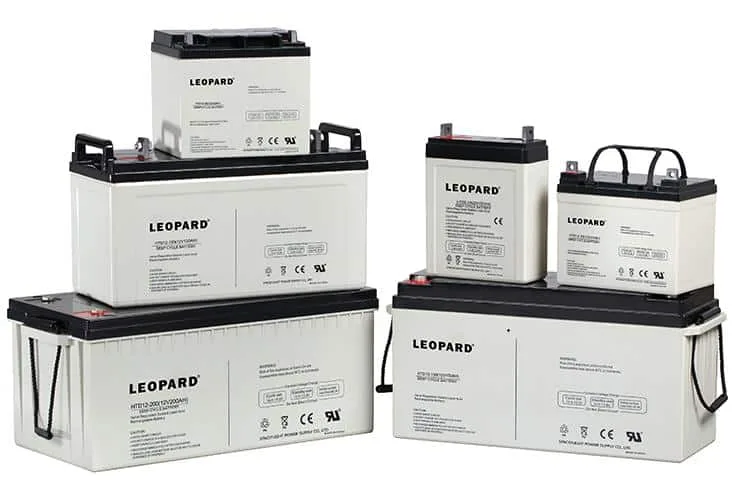
1. What is a Valve-Regulated Lead-Acid (VRLA) Battery?
A Valve-Regulated Lead-Acid (VRLA) battery is a type of sealed lead-acid battery that incorporates a valve to regulate internal pressure, preventing excessive gas build-up during charging. This feature differentiates VRLA batteries from flooded lead-acid batteries, which require periodic maintenance and venting. VRLA batteries are often classified into two types:
- Absorbent Glass Mat (AGM): In AGM VRLA batteries, a layer of absorbent glass mat is used to hold the electrolyte in place, improving efficiency and safety.
- Gel: In gel VRLA batteries, the electrolyte is mixed with silica to form a gel-like substance, preventing spillage and enhancing performance in high-temperature environments.
Key Features of VRLA Batteries
- Sealed Design: Unlike traditional flooded batteries, VRLA batteries are sealed and do not require regular maintenance. The valve-regulated design ensures that gases generated during charging are recombined to prevent leakage.
- Low Maintenance: Because they are sealed, VRLA batteries do not require constant monitoring or water refills, making them ideal for use in remote locations or hard-to-reach areas.
- Safe Operation: The valve regulates the internal pressure, reducing the risk of dangerous gas build-up, leaks, or explosions.
- Compact Size: VRLA batteries are more compact than their flooded counterparts, making them suitable for confined spaces and portable applications.
2. Role of VRLA Batteries in Uninterruptible Power Supplies (UPS)
Uninterruptible Power Supply (UPS) systems are essential for ensuring that critical equipment, such as servers, communication systems, medical devices, and industrial machinery, continue to operate seamlessly during power outages or fluctuations. VRLA batteries serve as the main power source in these systems, providing instant backup power when there is a disruption in the main power supply.
- Continuous Power Supply
In a UPS system, when the main electrical supply is interrupted, the VRLA battery immediately takes over and provides instant backup power. This uninterrupted power allows systems to continue operating, providing the time needed to either switch to an alternate power source or perform a safe shutdown of sensitive equipment.
- Instant Switching: The transition from main power to battery power is seamless and instantaneous, preventing downtime or disruption.
- Critical Equipment Protection: VRLA batteries ensure that devices like servers, network infrastructure, medical equipment, and industrial machinery continue running without interruption, protecting against potential data loss or system damage.
- High Power Output
UPS systems must be capable of supplying high bursts of energy for short durations, especially during power fluctuations or short-term outages. VRLA batteries are well-suited for these applications due to their ability to provide high current output over a short period of time.
- Surge Capacity: VRLA batteries are designed to provide higher power during short-term power cuts, allowing for the proper shutdown or switchover to a secondary power source.
- Long Duration Backup: They can provide backup power for several minutes to hours, depending on the battery size, ensuring that systems have enough time to complete necessary processes.
- Efficient Energy Storage
UPS systems rely on VRLA batteries not only to provide backup power but also to store energy efficiently for future use. This is especially important in critical systems where a constant power supply is a necessity.
- Charging Efficiency: VRLA batteries are known for their efficient charging characteristics, which allow them to quickly recharge when connected to the grid, ensuring that the UPS system is always ready for the next potential power failure.
- Deep Cycle Performance: These batteries are designed to handle deep discharges and high cycle rates, ensuring a longer operational life in systems that demand continuous, reliable power.
3. Advantages of Using VRLA Batteries in UPS Systems
- Maintenance-Free Operation
One of the standout features of VRLA batteries is their maintenance-free operation. Unlike flooded lead-acid batteries, which require regular checks and maintenance (e.g., water refills), VRLA batteries are sealed and require minimal intervention. This makes them ideal for use in environments where regular maintenance might not be feasible.
- No Watering: The sealed design eliminates the need to top up the electrolyte, reducing maintenance costs and labor.
- Longer Service Life: With proper installation and use, VRLA batteries can last between 3 to 10 years, depending on the application and operating conditions.
- Space-Saving and Compact
Because of their sealed, compact design, VRLA batteries take up less space than other types of batteries. This makes them ideal for applications where space is at a premium, such as in data centers, industrial equipment, or mobile backup systems.
- Small Footprint: VRLA batteries are often used in locations where space constraints exist, as they do not require large enclosures or extensive ventilation.
- Flexibility: The compact nature allows these batteries to be installed in various configurations, including rack-mounted setups in data centers or stacked designs in UPS systems.
- Safety and Reliability
Safety is a primary concern in any backup power system, especially in environments dealing with sensitive data or critical medical equipment. VRLA batteries offer enhanced safety features compared to traditional batteries, including overcharge protection, thermal shutdown mechanisms, and valve-regulated designs to prevent hazardous gas build-up.
- Explosion-Proof: The valve-regulated design ensures that gases generated during charging are safely vented, preventing the risk of explosions or leaks.
- Low Risk of Spillage: Unlike flooded batteries, VRLA batteries are sealed, preventing leakage of hazardous electrolytes, making them safer for use in various applications.
- Cost-Effectiveness
VRLA batteries are often chosen for UPS systems because they offer a balance between performance and cost. They are less expensive than some other battery types, such as lithium-ion batteries, and provide a reliable power source at a lower initial investment. This makes them a popular choice for both small and large businesses.
- Affordable: VRLA batteries are generally more affordable than lithium-ion alternatives, making them a cost-effective solution for UPS applications in small to medium-sized systems.
- Reduced Replacement Costs: The long lifespan and minimal maintenance needs reduce the overall cost of ownership over time.
4. Limitations of VRLA Batteries in UPS Systems
While VRLA batteries have many advantages, they also come with some limitations:
- Temperature Sensitivity: VRLA batteries can be sensitive to extreme temperatures, which may reduce their performance and lifespan if not properly managed.
- Limited Cycle Life: Although VRLA batteries can handle deep discharges, they have a limited cycle life compared to newer technologies like lithium-ion batteries, which can impact long-term reliability for some users.
- Self-Discharge Rate: VRLA batteries have a higher self-discharge rate than some newer battery types, meaning they may lose charge over time when not in use.
5. Conclusion
Valve-Regulated Lead-Acid (VRLA) batteries are a cornerstone of modern UPS systems, offering reliable, maintenance-free, and cost-effective backup power solutions. Their ability to provide instant power, high energy output, and efficient energy storage makes them essential for a wide range of applications, from data centers and medical equipment to industrial facilities. Despite certain limitations, such as temperature sensitivity and cycle life, VRLA batteries continue to be a highly trusted choice for uninterrupted power supply systems worldwide. With their proven reliability and continued evolution in technology, VRLA batteries will remain a key player in ensuring critical power protection for the foreseeable future.
Related Articles
- How Lithium-Ion Batteries Are Revolutionizing the Electric Boat Industry
- Environmental Impact of Lithium Battery Recycling: Policies and Best Practices
- Which Is Better, Parallel or Series Batteries?
- 200Ah LiFePO4 (Everything you need to know)
- Exploring the Benefits of Lithium Batteries in Electric Scooters
