
Lithium-ion batteries are a key component of the modern technological landscape, powering everything from smartphones and laptops to electric vehicles (EVs) and renewable energy storage systems. However, as the demand for these batteries continues to rise, so does the need for effective lithium battery recycling solutions. The environmental impact of improper disposal of lithium batteries, coupled with the growing concern over resource depletion and environmental degradation, has prompted the development of policies and best practices aimed at improving the recycling process. In this article, we explore the environmental challenges associated with lithium battery recycling, the current policies guiding the process, and the best practices that can reduce the ecological footprint of lithium-ion batteries.
1. Environmental Impact of Lithium Battery Disposal
Improper disposal of lithium-ion batteries can have serious environmental consequences, primarily due to the hazardous materials contained within the batteries. When disposed of in landfills or incinerated, lithium-ion batteries can release toxic substances such as heavy metals (e.g., cobalt, nickel, and lead) and organic solvents that contaminate soil and groundwater. These chemicals pose significant risks to both human health and wildlife.
1.1. Leaching and Contamination
As lithium batteries degrade, harmful substances can leach into the environment, contaminating soil, water, and air. Cobalt, a metal commonly used in the production of lithium batteries, is particularly toxic, and its leaching into the environment can lead to severe ecological consequences. If not recycled properly, the loss of valuable and rare materials such as lithium and cobalt further exacerbates resource depletion.
1.2. Carbon Footprint
The mining and processing of raw materials for lithium-ion batteries, coupled with the environmental risks associated with battery disposal, contribute to the carbon footprint of these batteries. Recycling helps mitigate these impacts by recovering valuable materials, reducing the need for virgin resource extraction, and lowering greenhouse gas emissions.
2. Global Policies for Lithium Battery Recycling
Governments and international organizations have recognized the importance of establishing robust policies to govern the recycling of lithium batteries. These policies aim to reduce environmental harm, promote the efficient recovery of materials, and ensure that lithium batteries are disposed of safely.
2.1. Extended Producer Responsibility (EPR) Programs
Extended Producer Responsibility (EPR) programs are becoming a common policy tool in many countries. Under EPR regulations, battery manufacturers are held responsible for the recycling and safe disposal of their products once they reach the end of their lifecycle. This shifts the responsibility from consumers to manufacturers and incentivizes the creation of more sustainable and recyclable products.
For example, in the European Union, the Batteries Directive mandates that manufacturers take back and recycle used batteries, including lithium-ion types, to reduce the environmental impact. The directive includes strict collection and recycling targets, ensuring that at least 45% of the weight of used portable batteries is recycled.
2.2. Recycling Targets and Requirements
Several countries have introduced mandatory recycling targets to help reduce the environmental impact of used lithium-ion batteries. These targets require manufacturers and recycling companies to meet specific collection and recycling rates. For instance, the EU has set a target for 65% recycling efficiency of the materials in batteries, and Japan has established ambitious recycling targets for lithium-ion batteries used in consumer electronics and EVs.
2.3. International Standards and Guidelines
Various international organizations have developed standards and guidelines to facilitate safe lithium-ion battery recycling. The International Electrotechnical Commission (IEC), for example, provides safety standards for battery disposal and recycling practices, while the International Battery Recycling Association (IBRA) advocates for the development of efficient recycling systems worldwide. These standards aim to ensure that the process of recycling is safe for workers, consumers, and the environment.
3. Best Practices for Lithium Battery Recycling
To minimize the environmental impact of lithium battery recycling, several best practices must be followed to ensure the safe, efficient, and sustainable recovery of materials.
3.1. Collection and Transportation
Efficient collection systems are vital for ensuring that used lithium-ion batteries are safely transported to recycling facilities. Manufacturers, retailers, and local governments can collaborate to establish battery collection programs where consumers can drop off their used batteries. These programs should be well-publicized to increase participation and improve battery recovery rates.
Once collected, batteries must be transported securely to specialized recycling facilities that are equipped to handle the materials safely. Proper packaging and transportation protocols are necessary to prevent leakage of hazardous substances and to protect workers during transit.
3.2. Pre-Treatment and Dismantling
Before recycling can begin, lithium-ion batteries must be properly pre-treated to remove hazardous components. This involves discharging the batteries fully to prevent any risk of thermal runaway during the recycling process. Batteries may also need to be dismantled to separate different materials, such as the cathode, anode, and electrolyte, to allow for more efficient recovery.
Specialized techniques such as manual disassembly, mechanical shredding, and thermal processes can be employed to remove components like plastic casings and circuit boards before focusing on the precious metals and lithium content.
3.3. Advanced Recycling Technologies
There are several advanced recycling technologies currently being developed to improve the efficiency and sustainability of lithium-ion battery recycling. These include:
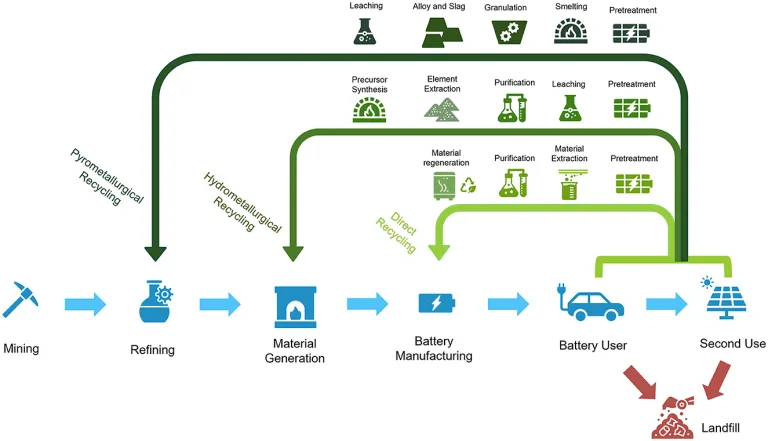
- Hydrometallurgical processes: This method uses aqueous chemistry to dissolve and recover valuable metals like cobalt, nickel, and lithium.
- Pyrometallurgical processes: Involves using high-temperature furnaces to melt and separate metals, but it can be energy-intensive and may release harmful emissions.
- Direct recycling: This emerging technique focuses on reusing key components of the battery, such as the cathode and anode, without fully breaking down the battery. This can save energy and reduce waste.
3.4. Circular Economy and Second-Life Applications
One of the key best practices in lithium battery recycling is extending the lifecycle of batteries through second-life applications. Batteries that no longer meet the stringent demands of electric vehicles or smartphones may still have sufficient capacity for less demanding uses, such as energy storage systems or backup power supplies. By reusing these batteries, their lifespan is extended, and fewer resources are required to produce new batteries.
3.5. Consumer Education and Awareness
Consumer education plays a pivotal role in lithium-ion battery recycling. By raising awareness about the importance of recycling and the environmental consequences of improper disposal, consumers can make informed decisions about how to dispose of their old batteries properly. Public campaigns, informational brochures, and accessible recycling programs can drive consumer engagement and increase the volume of recycled batteries.
4. The Future of Lithium Battery Recycling
The growing demand for lithium-ion batteries presents both challenges and opportunities for improving recycling processes. Innovations in battery design, such as the development of easier-to-recycle batteries and the reduction of hazardous materials, can play a significant role in enhancing recycling efforts. Furthermore, continued research into closed-loop recycling systems, where materials are recovered and reused indefinitely, will be key to reducing the long-term environmental impact of lithium-ion batteries.
Conclusion
As the global reliance on lithium-ion batteries continues to increase, effective and sustainable battery recycling is essential to minimize environmental harm and resource depletion. Governments and industries must continue to implement stringent policies, improve recycling technologies, and promote best practices to ensure that lithium batteries are disposed of safely and responsibly. Through these efforts, the environmental impact of lithium-ion battery production, use, and disposal can be significantly reduced, leading to a more sustainable and circular battery ecosystem.
