
Electric scooters have become a symbol of sustainable urban mobility, offering an efficient, eco-friendly, and cost-effective solution for short-distance travel. One of the critical components that make electric scooters both practical and popular is the battery. While various battery technologies are used in electric scooters, lithium batteries have emerged as the top choice for many reasons. In this article, we explore the key benefits of lithium batteries in electric scooters, focusing on their performance, advantages, and impact on the scooter industry.
1. Lithium Batteries: The Heart of Modern Electric Scooters
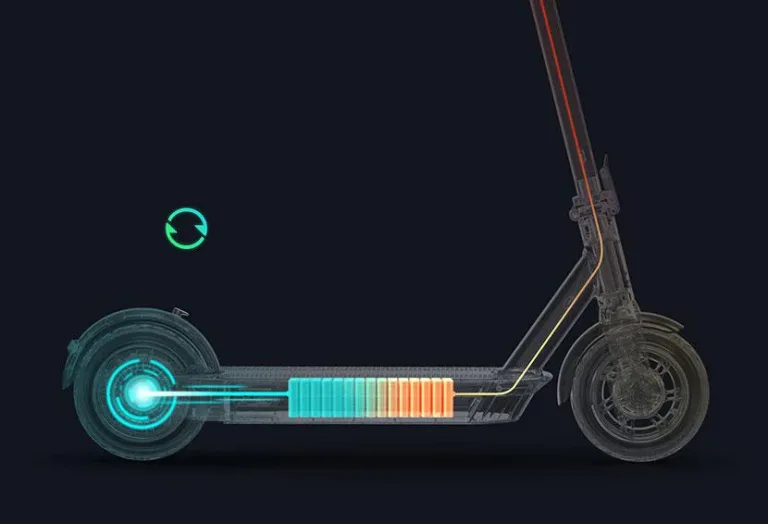
Lithium batteries are rechargeable energy storage devices that have become the gold standard for electric vehicles (EVs), including electric scooters. These batteries, particularly lithium-ion (Li-ion) and lithium iron phosphate (LiFePO4), offer a superior energy-to-weight ratio compared to traditional lead-acid or other battery types. As electric scooters aim to deliver convenient, lightweight, and long-lasting performance, lithium batteries help achieve these goals.
2. Key Benefits of Lithium Batteries in Electric Scooters
a) Lightweight and Compact
One of the most significant advantages of lithium batteries is their light weight and compact size. Lithium-ion batteries typically have three times the energy density of lead-acid batteries, meaning they can store more power in a smaller, lighter package. For electric scooters, which need to be both lightweight for easy handling and compact for design aesthetics, lithium batteries are an ideal choice.
This lightweight nature also translates to better range and improved speed, as less energy is consumed by the weight of the battery itself. In urban settings, where portability and maneuverability are key, the compactness of lithium batteries gives electric scooters a significant edge.
b) Longer Range Per Charge
Lithium batteries provide significantly higher energy density, allowing electric scooters to travel longer distances on a single charge. Depending on the battery size and the scooter’s motor efficiency, lithium-ion-powered scooters can typically cover 20 to 60 miles per charge, far surpassing the range of scooters with lead-acid batteries, which usually offer shorter distances of 10 to 20 miles.
For urban commuters and recreational riders alike, this increased range reduces the need for frequent recharging, offering a more convenient and time-efficient experience.
c) Fast Charging Times
Lithium batteries are known for their quick recharge times. Unlike lead-acid batteries, which can take up to 8-10 hours to fully charge, lithium-ion batteries typically recharge in 3 to 5 hours. This fast charging capability makes lithium-powered electric scooters much more convenient, especially for people who rely on their scooters for daily commutes.
Some newer models are even equipped with fast-charging technology, enabling them to achieve an 80% charge in just 1-2 hours, a feature that’s particularly useful for users on the go.
d) Longer Battery Life
One of the standout features of lithium batteries is their long cycle life. Most lithium-ion batteries can withstand anywhere from 500 to 1,500 charge cycles before they start to degrade in performance. In comparison, lead-acid batteries typically last only 300 to 500 cycles.
This extended lifespan not only reduces the need for frequent battery replacements but also contributes to the overall cost-effectiveness of lithium batteries in electric scooters. Riders get more value out of their investment, with batteries that perform well over a much longer period.
e) Enhanced Efficiency and Performance
Lithium batteries are highly efficient, with minimal energy loss during charge and discharge cycles. This high efficiency translates to more power delivery to the scooter’s motor, improving both acceleration and top speed. Additionally, lithium batteries have a high charge retention rate, meaning they can maintain a significant amount of their charge even after being stored for extended periods.
In practical terms, this means that users experience a scooter that performs optimally for a longer time, with consistent speed and power delivery.
f) Safety and Stability
Safety is a top priority when it comes to battery technology, and lithium-ion batteries are designed with built-in protection circuits that prevent overcharging, overheating, and short-circuiting. Modern lithium batteries also feature thermal management systems that keep them within safe operating temperatures, reducing the risk of thermal runaway or fires, which can be a concern with older battery technologies.
In comparison, lead-acid batteries are more prone to corrosion, gassing, and leakage, which can lead to safety risks. Lithium batteries, with their robust safety features, provide more peace of mind to users.
g) Eco-Friendly and Sustainable
As concerns over climate change and environmental sustainability continue to grow, the environmental impact of battery technology has become an important factor for consumers. Lithium-ion batteries are greener than traditional lead-acid batteries because they are more energy-efficient and long-lasting.
Moreover, lithium batteries are recyclable and contribute to the development of a circular economy. As recycling technologies improve, more and more components of lithium batteries, including the lithium, cobalt, and nickel, can be recovered and reused, reducing the need for new raw materials.
3. How Lithium Batteries Are Changing the Electric Scooter Market
a) Increased Consumer Demand
The growing interest in sustainable transportation solutions has led to a surge in demand for electric scooters, particularly those powered by lithium-ion batteries. Riders want efficient, eco-friendly, and low-maintenance transportation, and lithium batteries are at the heart of this shift.
As battery costs continue to fall and technology improves, electric scooters powered by lithium batteries will become more affordable, making them a viable option for an even broader range of consumers.
b) Integration with Smart Technologies
Lithium battery-powered electric scooters are increasingly being equipped with smart features that allow riders to track their scooters’ performance and battery status via smartphone apps. These apps provide real-time data on battery health, charging progress, and range estimation, offering a more user-friendly experience and increased peace of mind for riders.
In addition, regenerative braking systems, often integrated into electric scooters, can help recharge the battery while riding, providing additional efficiency gains and extending range.
4. Challenges of Lithium Batteries in Electric Scooters
While lithium batteries offer numerous benefits, there are some challenges to consider:
a) High Initial Cost
Lithium-ion batteries are more expensive than lead-acid batteries, which can increase the upfront cost of the scooter. However, as mentioned earlier, the longer lifespan, lower maintenance costs, and higher efficiency of lithium batteries generally offset these initial costs over time.
b) Sensitivity to Extreme Temperatures
Lithium batteries can be sensitive to extreme temperatures. Exposure to very high or low temperatures can impact their performance, reducing range and cycle life. Riders should take care to store their electric scooters in a temperature-controlled environment to maintain optimal battery performance.
5. The Future of Lithium Batteries in Electric Scooters
Lithium batteries are central to the success of electric scooters, providing the performance, efficiency, and sustainability that riders expect. With their longer range, faster charging, light weight, and safety features, lithium batteries have revolutionized the electric scooter market. As battery technology continues to improve and costs decrease, lithium-powered electric scooters will become an even more accessible, eco-friendly, and efficient mode of transportation for urban dwellers worldwide.
