
The electric boat industry is undergoing a significant transformation, with lithium-ion (Li-ion) batteries emerging as a game-changer in the quest for cleaner, more efficient, and more sustainable marine transportation. Once confined to small electric-powered vessels, lithium-ion batteries are now powering a range of boats, from recreational pleasure crafts to commercial vessels. Their advantages in energy density, weight, and charging efficiency make them the ideal choice for the marine environment, where traditional fuel-based systems are being increasingly scrutinized for their environmental impact.
In this article, we will explore the role of lithium-ion batteries in revolutionizing the electric boat industry, the benefits they bring, and the challenges that need to be overcome to fully embrace them as a mainstream power source for marine applications.
1. The Advantages of Lithium-Ion Batteries in Electric Boats
High Energy Density
One of the primary advantages of lithium-ion batteries over traditional lead-acid or other battery types is their high energy density. Lithium-ion batteries can store more energy in a smaller, lighter package compared to other types, such as lead-acid or nickel-metal hydride (NiMH) batteries. In the context of electric boats, this means that lithium-ion batteries allow for longer trips without the need to recharge, making them ideal for both recreational boating and commercial applications.
The increased energy density means that these boats can achieve higher speeds and greater range, which was previously a limiting factor in early electric boats. The high specific energy (measured in Wh/kg) of lithium-ion batteries provides the right balance between weight and power, especially in applications where weight reduction directly influences fuel efficiency and operational range.
Lightweight and Compact Design
In the boating industry, weight is a critical factor in ensuring optimal performance. Lithium-ion batteries are significantly lighter than traditional lead-acid batteries, enabling electric boats to be faster, more maneuverable, and more energy-efficient.
The lightweight nature of lithium-ion batteries also allows boat designers to incorporate more space-efficient designs, reducing the overall weight of the vessel and improving handling. This is particularly beneficial for luxury yachts and recreational boats, where maximizing comfort and performance is crucial.
Faster Charging Times
Lithium-ion batteries offer faster charging times compared to traditional battery types. In the marine industry, this is a significant advantage as boat owners can quickly recharge their electric boats and return to the water without extended downtime. Some charging stations now offer DC fast charging for lithium-ion batteries, allowing electric boats to be ready for use in a fraction of the time it would take for lead-acid batteries to charge.
As charging infrastructure improves, and faster chargers become more common, the transition to lithium-ion batteries becomes even more appealing for boat owners and commercial operators alike.
Longer Lifespan and Lower Maintenance Costs
Lithium-ion batteries are known for their long cycle life and low maintenance requirements. Unlike lead-acid batteries, which can degrade rapidly with deep discharge cycles, lithium-ion batteries maintain a higher state of charge over a greater number of charge cycles. This translates into lower replacement costs and longer operational lifespans, which makes them an attractive investment for boat owners.
Lithium-ion batteries also don’t require the same level of maintenance as lead-acid batteries. They are sealed and don’t need to be regularly topped off with water, reducing the long-term maintenance burden and associated costs for boat operators.
Environmental Benefits
One of the key driving forces behind the adoption of electric boats is the increasing demand for environmentally friendly solutions in marine transport. Lithium-ion batteries play a major role in reducing the carbon footprint of boating.
By replacing traditional gas-powered engines with electric propulsion systems powered by lithium-ion batteries, electric boats reduce emissions, noise pollution, and the environmental impact of fuel spills. This makes them an excellent choice for environmentally conscious boaters who want to contribute to the preservation of oceans, lakes, and rivers.
2. Applications of Lithium-Ion Batteries in the Electric Boat Industry
The rise of lithium-ion battery-powered vessels has opened up numerous possibilities in both the recreational boating and commercial marine sectors. These applications are revolutionizing how boats are powered, bringing numerous benefits to various sectors.
Recreational and Leisure Boats
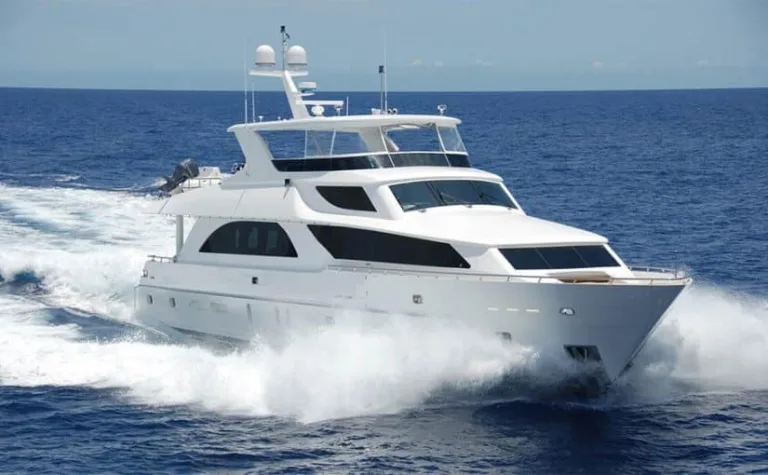
In the recreational boating market, lithium-ion batteries are becoming increasingly popular among private yacht owners and leisure boaters who seek efficient, quiet, and environmentally friendly alternatives to traditional gasoline or diesel engines. Lithium-ion-powered electric boats offer:
- Longer cruising ranges for family outings, fishing trips, or short-distance voyages
- Silent operation, providing a more peaceful and pleasant boating experience
- Lower operational costs, as electricity is often cheaper than fuel
For example, many luxury yacht manufacturers are now offering electric models with lithium-ion batteries, allowing boaters to reduce both their environmental impact and their reliance on fossil fuels.
Commercial Vessels
In the commercial marine sector, lithium-ion batteries are proving to be valuable for ferries, tour boats, and cargo vessels. These vessels, which often operate in urban waterways and harbors, can benefit from electric propulsion systems as they significantly reduce fuel consumption, maintenance costs, and pollution. Lithium-ion-powered ferries are becoming more common in cities like Stockholm, San Francisco, and Vancouver, where clean energy and reduced emissions are a priority.
Lithium-ion batteries can also provide significant advantages in autonomous vessels and electric-powered commercial shipping, where long-term sustainability and cost-efficiency are key objectives.
Marine Recreational Drones
Not just limited to traditional boats, lithium-ion batteries are also increasingly powering marine recreational drones and watercrafts such as jet skis and water scooters. These small, battery-powered devices benefit from lithium-ion’s lightweight, compact form, offering exciting new opportunities for water-based recreation.
3. Challenges in Implementing Lithium-Ion Batteries in the Electric Boat Industry
Despite the clear advantages of lithium-ion batteries, there are still several challenges to overcome in the electric boat industry.
Initial High Cost
Lithium-ion batteries are still relatively expensive compared to traditional lead-acid batteries, although their price has been steadily decreasing in recent years. The initial cost of purchasing an electric boat powered by lithium-ion batteries may be higher than that of a conventional fuel-powered vessel, which can be a barrier for some boat owners. However, the long-term savings on fuel and maintenance costs can offset this initial expense, making the investment worthwhile over time.
Limited Range for Larger Vessels
While lithium-ion batteries provide impressive energy density, the range of larger vessels such as cruise ships or freight boats still faces limitations. Larger commercial ships or yachts with heavier power demands may need larger, more expensive battery packs, or they may require a hybrid system that combines electric power with fossil fuel engines for longer voyages.
The industry is continuing to explore battery capacity improvements and alternative charging solutions to address these challenges.
Charging Infrastructure
Although charging infrastructure for electric cars is widespread, charging facilities for electric boats remain limited, especially in remote or maritime locations. Boat owners may face challenges finding convenient charging stations when out on the water. To fully capitalize on lithium-ion batteries’ potential, the development of marine charging networks and fast-charging stations is needed to ensure convenience and efficiency.
Battery Recycling and Sustainability
The environmental benefits of lithium-ion batteries are undeniable, but there is still a need for improvements in battery recycling to mitigate environmental concerns. As the demand for lithium-ion batteries grows in the electric boat industry, the responsible recycling of spent batteries becomes increasingly important. Advancements in battery recycling technologies and second-life applications for old batteries will help reduce waste and promote sustainability.
4. The Future of Lithium-Ion Batteries in Electric Boats
The future of lithium-ion batteries in the electric boat industry is bright, with growing interest in electric boating, sustainable marine transport, and clean energy solutions. As technology continues to evolve, lithium-ion batteries will become even more efficient, affordable, and widely adopted.
Key trends in the future of electric boats powered by lithium-ion batteries include:
- Improved battery technology with higher energy densities and faster charging capabilities
- Expansion of charging infrastructure to support electric boats in more locations
- Integration with renewable energy sources, such as solar power, for hybrid systems
- Development of new materials and advanced battery chemistries to enhance performance and sustainability
The growth of green technology, coupled with the increasing desire to reduce marine pollution, means that electric boats powered by lithium-ion batteries will continue to play a pivotal role in the future of the marine industry.
5. Conclusion
Lithium-ion batteries are truly revolutionizing the electric boat industry, offering a cleaner, more efficient, and more sustainable alternative to traditional fuel-based systems. Their advantages in energy density, lightweight design, long lifespan, and environmental impact make them an ideal choice for a wide range of marine applications, from recreational boats to commercial vessels.
As the industry continues to develop, addressing challenges such as cost, range, charging infrastructure, and recycling will be key to unlocking the full potential of lithium-ion batteries. With ongoing technological advancements and increasing support for sustainable boating, electric boats powered by lithium-ion batteries are set to become a central part of the marine transportation landscape in the coming decades.
