
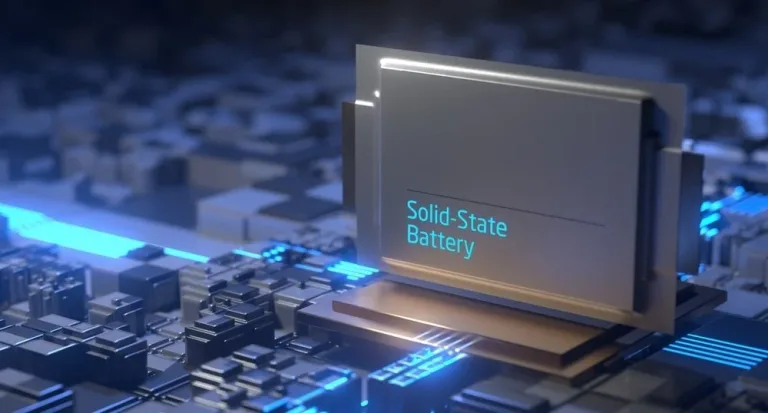
Solid-state lithium batteries (SSBs) have emerged as a revolutionary technology with the potential to significantly enhance the performance, safety, and sustainability of electric vehicles (EVs). Unlike conventional liquid electrolyte-based lithium-ion batteries, solid-state batteries utilize a solid electrolyte, which enables higher energy density, improved safety, and longer lifespan. As automakers and researchers push the boundaries of EV battery technology, here are the top 5 innovations in solid-state lithium batteries for electric vehicles:
1. Enhanced Energy Density for Longer Range
Innovation: One of the most significant breakthroughs in solid-state lithium batteries is their superior energy density compared to traditional lithium-ion batteries. With solid-state technology, the energy density can exceed 500 Wh/kg, which is a substantial improvement over the current lithium-ion batteries (300-350 Wh/kg).
Impact on EVs:
- Extended Driving Range: The higher energy density allows for longer driving ranges on a single charge, reducing the need for frequent recharging. This is particularly important for long-distance electric vehicles and commercial applications like delivery trucks or buses.
- Smaller, Lighter Batteries: Higher energy density also means that solid-state batteries can be lighter and more compact, allowing for better space optimization within the vehicle. This reduces the weight of the battery pack, improving overall efficiency and handling.
2. Improved Safety and Thermal Stability
Innovation: Solid-state batteries are inherently safer than traditional lithium-ion batteries because they do not contain liquid electrolytes, which are highly flammable. Many solid-state designs use ceramic or glass-based electrolytes that offer improved thermal stability and resistance to dendrite formation, which can cause short circuits and fires in conventional lithium-ion batteries.
Impact on EVs:
- Reduced Risk of Fires and Explosions: Solid-state batteries significantly lower the risk of thermal runaway, which is a major concern with liquid electrolyte batteries. This makes them safer in the event of crashes, overheating, or overcharging.
- Better Performance in Extreme Temperatures: Solid-state batteries operate efficiently across a wider temperature range, making them more suitable for electric vehicles used in hot or cold climates without compromising performance or safety.
3. Faster Charging Times
Innovation: Solid-state batteries can offer faster charging times compared to conventional lithium-ion batteries due to their ability to operate at higher currents without the risk of overheating or degrading quickly.
Impact on EVs:
- Quicker Recharges: Solid-state batteries can support higher charge rates, reducing the time required to recharge an EV. This can lead to significantly shorter charging times, with some prototypes showing the ability to charge up to 80% in less than 15 minutes.
- Enhanced Convenience: Faster charging times make long-distance travel in electric vehicles more feasible and convenient, closing the gap between EVs and traditional gas-powered vehicles in terms of refueling time.
4. Longer Cycle Life and Durability
Innovation: Solid-state batteries exhibit much longer cycle life than conventional lithium-ion batteries. Traditional lithium-ion batteries typically last between 500 to 1,500 cycles, whereas solid-state batteries can potentially offer up to 3,000 cycles or more. This is due to the absence of liquid electrolytes that tend to degrade over time.
Impact on EVs:
- Lower Lifetime Costs: The increased durability and longevity of solid-state batteries could reduce the total cost of ownership for electric vehicles. Drivers may need fewer battery replacements over the vehicle’s lifetime.
- Sustainability: Longer-lasting batteries also contribute to greater sustainability by reducing the frequency of battery disposal and the need for raw material extraction.
5. Sustainable and Environmentally Friendly Materials
Innovation: Solid-state lithium batteries utilize more sustainable materials, such as solid electrolytes made from ceramics or glass, that are less reliant on the rare and environmentally damaging metals used in traditional lithium-ion batteries, like cobalt and nickel. Additionally, some solid-state battery designs aim to incorporate sodium or sulfur as alternative materials.
Impact on EVs:
- Reduced Environmental Impact: By using more abundant and less toxic materials, solid-state batteries can reduce the environmental impact associated with mining and processing raw materials for conventional lithium-ion batteries.
- Ethical Sourcing: With less reliance on cobalt, which has been linked to human rights issues in mining, solid-state batteries provide a path toward more ethical and sustainable sourcing practices for EV batteries.
Conclusion
Solid-state lithium batteries are paving the way for a new generation of electric vehicles that are safer, more efficient, and more sustainable than ever before. The key innovations in energy density, safety, charging speed, durability, and environmentally friendly materials are pushing the boundaries of what EVs can achieve. As research and development in this field continue, we can expect solid-state batteries to play a critical role in the future of transportation, providing longer-lasting, faster-charging, and greener solutions for consumers and manufacturers alike. The adoption of this technology will bring us one step closer to making electric vehicles a practical, reliable, and sustainable alternative to traditional internal combustion engine cars.
Related Articles
- Advantages of Lithium Polymer Batteries in Portable Electronics
- Advancements in Flexible Lithium Polymer Batteries for Foldable Electronics
- Nanostructured Current Collectors for Fast-Charging Batteries
- Energy Solutions: Lithium-Ion Batteries in Off-Grid Homes
- High-Capacity Lithium-Ion Batteries in Aerospace: Thermal Management Strategies
