
As the world moves toward more versatile and compact devices, the need for flexible batteries that can seamlessly integrate into foldable electronics has grown exponentially. Lithium Polymer (LiPo) batteries have emerged as a game-changer in powering these innovative devices, offering both lightweight and flexible power solutions. From smartphones and tablets to wearables and foldable displays, these batteries are increasingly becoming the cornerstone of next-generation technology.
In this article, we will explore the advancements in flexible LiPo batteries, the unique challenges in their development, and how they are paving the way for the future of foldable electronics.
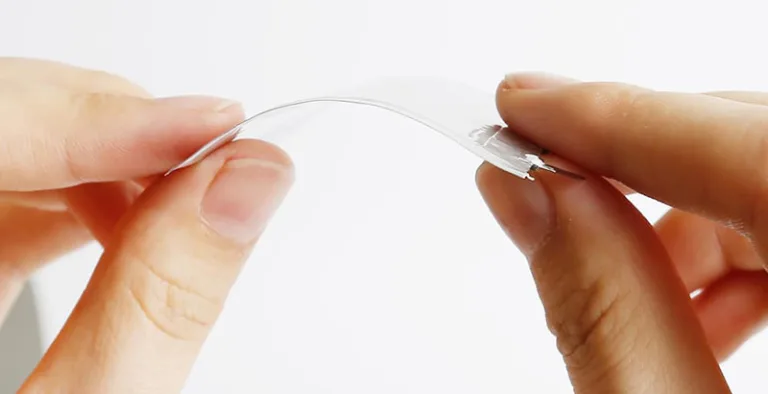
1. Understanding Flexible Lithium Polymer Batteries
Lithium Polymer batteries are a type of rechargeable lithium-ion battery that uses a polymer electrolyte instead of the liquid electrolyte used in traditional lithium-ion batteries. This design allows them to be much thinner, lighter, and more versatile compared to other types of batteries. The flexible form factor of LiPo batteries is what makes them particularly well-suited for applications in wearables and foldable electronics.
Key Features of Flexible LiPo Batteries:
- Lightweight: The polymer-based structure is significantly lighter than traditional batteries.
- Thin Profile: LiPo batteries can be made much thinner than their lithium-ion counterparts, allowing for more compact designs.
- Shape Flexibility: These batteries can be manufactured in a variety of shapes and sizes, making them ideal for devices that require flexibility or custom form factors.
- Safe and Durable: LiPo batteries are less prone to leakage compared to liquid-based lithium-ion batteries, making them a safer choice for flexible electronics.
2. Recent Advancements in Flexible LiPo Battery Technology
The demand for foldable electronics has pushed the boundaries of battery innovation, with flexible LiPo batteries being at the forefront of this revolution. Over recent years, there have been significant advancements in their design and performance, particularly in areas like capacity, flexibility, durability, and charging efficiency.
2.1. Increased Energy Density
One of the most important developments in LiPo battery technology is the improvement in energy density. As consumer electronics become thinner and more compact, there is an increasing demand for batteries that can pack more power into smaller spaces.
- Higher Energy Density: Modern flexible LiPo batteries now offer higher energy storage in a smaller footprint, allowing foldable devices to maintain long battery life despite their slim and flexible design.
- Compact Size: Innovations in materials and design have enabled the development of batteries with greater storage capacity per unit of volume.
2.2. Enhanced Flexibility
Flexible batteries must be able to bend, twist, and stretch without sacrificing their performance or safety. Recent advancements have led to LiPo batteries that can withstand greater deformation while still maintaining a stable charge.
- Bendability: Manufacturers have developed polymer electrolytes that allow the battery to bend up to several hundred times without compromising performance.
- Stretchability: Some newer LiPo batteries are even stretchable, offering new possibilities for wearable devices that need batteries integrated into clothing or skin patches.
2.3. Longer Cycle Life and Durability
Battery longevity is crucial in foldable electronics, where the device’s durability is paramount. Flexible LiPo batteries have evolved to offer extended cycle life and enhanced durability, especially in environments where the battery will be subjected to repeated bending or folding.
- Cycle Life: Advances in battery chemistry and materials have improved the charge/discharge cycle life, meaning these batteries can endure more cycles without significant degradation.
- Wear and Tear Resistance: Specialized coatings and reinforcements help protect the internal components, reducing the effects of mechanical stress from bending and folding.
2.4. Faster Charging Technologies
In today’s fast-paced world, quick charging is a critical feature for users. Flexible LiPo batteries now come with fast-charging capabilities, reducing the time users need to power up their foldable devices.
- Ultra-Fast Charging: Battery charging times have been drastically reduced with new super-fast charging protocols and optimized charging circuits.
- Improved Power Delivery: Enhanced power delivery systems allow the battery to quickly absorb and distribute energy during the charging process.
3. Applications of Flexible LiPo Batteries in Foldable Electronics
The integration of flexible LiPo batteries has become essential for the development of foldable and flexible devices, particularly in the consumer electronics, wearable tech, and healthcare industries.
3.1. Foldable Smartphones and Tablets
Foldable smartphones and tablets are perhaps the most visible application of flexible LiPo batteries. These devices rely on batteries that can withstand frequent folding and unfolding without compromising on energy storage or performance.
- Ultra-Thin: LiPo batteries enable the creation of ultra-thin devices with large screens and high battery capacity, which is especially important for foldable screens that require battery support in multiple positions.
- Compact Power Storage: The thin and flexible nature of LiPo batteries makes them ideal for fitting into slim foldable designs, reducing the bulk of traditional lithium-ion batteries.
3.2. Wearable Electronics
Wearable devices such as smartwatches, fitness trackers, and health-monitoring devices also benefit from the flexibility of LiPo batteries.
- Lightweight Power: LiPo batteries are lightweight and flexible enough to be integrated into wristbands, earbuds, and other wearable accessories without adding bulk.
- Comfort and Flexibility: The flexibility of these batteries allows for a snug fit on the body, making wearables more comfortable to use.
3.3. Flexible Displays
Flexible and rollable displays require flexible power sources. LiPo batteries are the ideal solution for these displays, as they can be integrated directly into the screen for seamless operation.
- Integrated Power Supply: The flexibility of LiPo batteries allows them to be embedded into the flexible display systems, reducing the need for bulky external battery packs.
- High Efficiency: LiPo batteries provide the required power for OLED, AMOLED, and other flexible display technologies, ensuring continuous operation even when the display is bent or folded.
3.4. Healthcare and Medical Devices
LiPo batteries are also being used in wearable health devices, medical patches, and implantable devices due to their lightweight and flexible nature.
- Flexible Medical Devices: LiPo batteries power wearable health monitors, providing continuous health data while ensuring comfort and flexibility.
- Wireless Power: Flexible LiPo batteries enable wireless communication in medical devices, which is essential for monitoring patients remotely.
4. Challenges and Future Outlook
While advancements in flexible LiPo batteries have brought about significant improvements, there are still challenges to overcome.
4.1. Stability and Safety Concerns
Although LiPo batteries are generally safer than traditional lithium-ion batteries, their flexible nature can introduce additional risks related to mechanical stress and thermal management. Ensuring thermal stability and fire resistance remains crucial for these batteries in foldable devices.
4.2. Cost and Scalability
The cost of producing flexible LiPo batteries is still relatively high due to the complexity of their design and the materials involved. As demand for foldable electronics grows, efforts to lower production costs and improve manufacturing processes will be key to making flexible LiPo batteries more affordable.
4.3. Long-Term Durability
While flexible LiPo batteries are designed for bending and folding, long-term durability remains an issue. Over time, repeated folding or flexing can result in mechanical degradation or performance loss, which needs to be addressed to ensure longevity in everyday devices.
5. Conclusion
Advancements in flexible lithium polymer (LiPo) batteries are revolutionizing the world of foldable electronics, enabling the development of ultra-thin, lightweight, and high-performance devices. These innovations are driving the evolution of smartphones, wearables, medical devices, and flexible displays, offering a new level of functionality and convenience to consumers.
As research continues and production techniques improve, the future of flexible LiPo batteries holds immense promise, with the potential to unlock even more exciting applications across various industries. Despite the challenges of cost, stability, and long-term durability, flexible LiPo batteries are poised to become the cornerstone of next-generation consumer electronics, offering greater versatility, efficiency, and mobility.
