
As more people seek independence from traditional power grids, off-grid power solutions are becoming increasingly popular, especially in remote areas, for emergency backup, and in sustainable living scenarios. At the heart of these solutions, batteries are essential for storing energy. Traditionally, lead-acid batteries were the go-to option for off-grid systems, but lithium batteries are rapidly gaining ground due to their superior performance, efficiency, and longevity.
In this article, we will explore the role of lithium batteries in off-grid power solutions, examining their advantages, applications, and how they are revolutionizing the way we store and use energy in remote and self-sufficient setups.
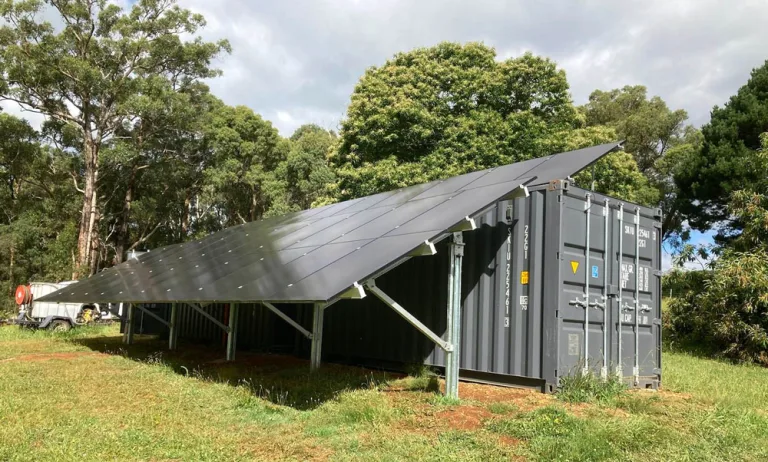
1. The Importance of Off-Grid Power Solutions
Off-grid power solutions are systems that operate independently of the centralized electrical grid. These systems are essential for:
- Remote locations where extending the power grid is not feasible.
- Eco-friendly living for individuals or communities looking to reduce their carbon footprint by relying on renewable energy sources.
- Emergency backup for homes and businesses during power outages.
- Mobile living in RVs, boats, and tiny homes, where a stable and reliable energy supply is necessary.
Renewable energy sources such as solar power, wind power, and hydropower are often used to power off-grid systems. However, these sources are intermittent, so energy storage becomes crucial to ensure a consistent and reliable supply. Lithium batteries are increasingly used in these systems because of their higher energy density, longer lifespan, and better performance compared to traditional options like lead-acid batteries.
2. Why Lithium Batteries are Ideal for Off-Grid Power Systems
a) Higher Energy Density
One of the primary advantages of lithium batteries is their high energy density. Lithium-ion batteries store more energy in a smaller, lighter package compared to lead-acid batteries. This makes them ideal for off-grid systems, where space and weight are often limited. A lithium battery system can provide the same amount of power as a much larger and heavier lead-acid system, which is especially important in small homes, cabin setups, and mobile applications such as boats or recreational vehicles (RVs).
b) Longer Lifespan
Lithium batteries have a significantly longer cycle life compared to traditional lead-acid batteries. While lead-acid batteries may last between 500 to 1,000 cycles, lithium-ion batteries can provide 2,000 to 5,000 cycles or more, depending on the specific chemistry used. This means that lithium batteries can last several times longer, reducing the frequency of battery replacements and overall maintenance costs.
c) Faster Charging
Lithium batteries charge much faster than lead-acid batteries, making them more efficient for off-grid applications. In a solar-powered off-grid system, for example, solar panels can charge lithium batteries more quickly, enabling them to store energy for use when the sun isn’t shining. This is particularly important for locations where the sunlight hours are limited, and rapid battery charging is necessary to maintain a consistent power supply.
d) Deep Discharge Capabilities
Lithium batteries are designed to handle deep discharges without significant degradation, making them ideal for off-grid applications where energy usage can fluctuate. In contrast, lead-acid batteries are typically recommended to only discharge to about 50% of their capacity to avoid damage. Lithium batteries, on the other hand, can be discharged much deeper (up to 80-90%), providing more usable energy and better efficiency for off-grid systems.
e) Lightweight and Compact Design
Because of their high energy density, lithium batteries are much lighter and more compact than lead-acid batteries with the same power capacity. This is especially advantageous for off-grid applications in remote locations, where space and weight are often at a premium. The compact design also means that lithium battery systems can be installed in areas where larger, bulkier lead-acid batteries wouldn’t fit.
f) Better Efficiency
Lithium batteries are more efficient than lead-acid batteries, meaning less energy is wasted in the charging and discharging processes. Lithium batteries typically have an efficiency of 90% or higher, compared to lead-acid batteries, which are typically around 70-80% efficient. This means more of the energy generated by your solar panels or wind turbines is stored and available for use.
3. Applications of Lithium Batteries in Off-Grid Systems
Lithium batteries are used in a wide variety of off-grid applications, making them highly versatile. Below are some of the most common uses:
a) Solar Power Systems
In off-grid solar power systems, lithium batteries are used to store energy generated by solar panels during the day for use at night or during cloudy periods. Due to their fast charge times and long life, lithium batteries are an excellent choice for solar systems in remote homes, cabinets, or small buildings that are not connected to the grid.
b) Wind Power Systems
Wind-powered off-grid systems also benefit from the use of lithium batteries. Since wind conditions can be unpredictable, lithium batteries provide a reliable storage solution for the energy generated during peak wind periods. Lithium batteries ensure that excess energy is stored for use when wind speeds drop or energy demand increases.
c) Electric Vehicles and Boats
Lithium batteries are commonly used in electric vehicles (EVs) and electric boats in off-grid environments. Their compact size, lightweight design, and long lifespan make them the preferred choice for these mobile applications, where weight and space are often limited, and quick recharging is a must.
d) Emergency Backup Power
Lithium batteries are increasingly used in backup power systems for homes, businesses, and critical infrastructure. When paired with solar panels or wind turbines, lithium batteries provide reliable, off-grid power during emergencies or power outages. Their long lifespan ensures that they continue to provide backup power over the long term without the need for frequent replacements.
e) Mobile Off-Grid Living
For individuals living off the grid in RVs, boats, or tiny homes, lithium batteries are often used to power lights, appliances, and other essential devices. Their small size, light weight, and long cycle life make them ideal for mobile off-grid living, where space is limited, and battery replacements can be costly and impractical.
4. Key Considerations When Choosing Lithium Batteries for Off-Grid Solutions
While lithium batteries offer many benefits for off-grid power systems, it’s important to consider the following factors before making a decision:
a) Battery Chemistry
Not all lithium batteries are created equal. Lithium iron phosphate (LiFePO4) is one of the most common chemistries used for off-grid applications due to its long lifespan, safety, and stable performance in extreme temperatures. Other lithium chemistries, such as lithium nickel cobalt manganese (NCM) or lithium nickel cobalt aluminum (NCA), may offer higher energy densities but can be more expensive or require specialized management systems.
b) Battery Management System (BMS)
A Battery Management System (BMS) is critical for managing the charging, discharging, and safety of lithium batteries. When using lithium batteries in off-grid systems, it’s important to choose batteries with a built-in BMS or to install a separate BMS to monitor voltage, current, and temperature to ensure safe and efficient operation.
c) Initial Cost vs. Long-Term Savings
While lithium batteries come with a higher upfront cost compared to lead-acid batteries, their long lifespan and higher efficiency can lead to significant cost savings over the long term. They require fewer replacements and less maintenance, which makes them a better investment in the long run.
5. Conclusion
Lithium batteries are quickly becoming the preferred choice for off-grid power systems due to their high energy density, long lifespan, faster charging times, and reliability. Whether you’re living in a remote area, seeking renewable energy independence, or need a reliable backup power system, lithium batteries provide the performance and longevity needed to ensure consistent, off-grid energy solutions. Their lightweight, compact design, along with the ability to withstand deep discharges and operate in extreme temperatures, makes them an excellent option for powering solar, wind, or hybrid systems in off-grid environments.
As renewable energy systems continue to grow in popularity and off-grid living becomes more accessible, lithium batteries will play a crucial role in shaping the future of self-sustained energy. With their superior performance and cost-effectiveness over the long term, lithium batteries are truly revolutionizing off-grid power solutions.
Related Articles
- Lithium Battery Recycling: Challenges and Sustainable Solutions
- Fast-Charging Technology for Lithium Batteries
- LiFePO4 vs. NMC Lithium Batteries: Which Chemistry Suits Your Energy Needs?
- AGM Battery Technology: Revolutionizing Automotive and Off-Grid Power Solutions
- Emerging Applications of Lithium Iron Phosphate Batteries
