
As the world transitions to cleaner, more sustainable energy sources, lithium-ion batteries (Li-ion) have become indispensable. They power everything from smartphones and laptops to electric vehicles (EVs) and renewable energy storage systems. However, with the increasing demand for these batteries, the issue of disposal and recycling has come to the forefront. Lithium battery recycling is essential not only for environmental sustainability but also for reducing the need for raw materials, many of which are finite or difficult to mine.
While the benefits of recycling lithium batteries are clear, there are several challenges associated with the process. These challenges include technological hurdles, economic viability, regulatory issues, and environmental concerns. In this article, we will explore the challenges of lithium battery recycling and discuss some of the sustainable solutions that are currently being developed or implemented.
Challenges in Lithium Battery Recycling
- Complex Battery Design
Lithium-ion batteries come in various sizes, shapes, and designs depending on the application—ranging from small consumer electronics batteries to large-scale EV batteries. The differences in battery design make the recycling process complex. Many batteries contain multiple materials that need to be carefully separated to recover valuable resources like lithium, cobalt, nickel, and graphite. The variation in battery design, combined with the need for precise separation, often requires specialized equipment, which can be costly and difficult to scale.
Additionally, some batteries are designed with built-in protection circuits, coatings, and adhesives that make it challenging to safely disassemble and recycle the individual components. As a result, the process of breaking down and extracting useful materials from these batteries can be time-consuming and inefficient.
- Limited Recycling Infrastructure
Although recycling lithium batteries is a growing industry, the infrastructure for large-scale, efficient recycling is still underdeveloped in many parts of the world. In some regions, there are only a few facilities capable of recycling lithium-ion batteries, and those that exist may not have the technology or capacity to process batteries in large quantities. As demand for these batteries continues to rise, this lack of infrastructure becomes an increasingly significant barrier to recycling efforts.
In many countries, recycling programs for lithium batteries are not well established, and consumers may not have access to convenient collection points for their old batteries. Without a robust recycling system in place, it’s difficult to ensure that batteries are properly disposed of or recycled, and many end up in landfills, where they pose environmental risks.
- High Cost of Recycling
Recycling lithium-ion batteries is an energy-intensive and expensive process. While the materials extracted from used batteries (such as lithium, cobalt, and nickel) can be valuable, the cost of the recycling process often outweighs the economic benefits. This is especially true when the materials recovered from batteries are in low quantities, or when inefficient recycling methods are employed.
For example, traditional recycling methods such as mechanical shredding can be ineffective at recovering high-value materials from batteries. In contrast, more advanced techniques like hydrometallurgical or pyrometallurgical processes, which are more efficient at recovering materials, are also more costly to implement and operate.
Another issue is that the price of lithium and other battery materials is highly volatile, which further complicates the economics of battery recycling. If the price of these metals drops significantly, the economic incentive to recycle lithium batteries decreases, making the recycling process less viable for businesses.
- Environmental Impact of Improper Disposal
Improper disposal of lithium-ion batteries is a growing concern. If batteries are discarded in landfills or incinerated, they can release harmful chemicals into the environment. Lithium, cobalt, and other materials found in batteries can contaminate soil and water, and the combustion of batteries can release toxic gases like hydrogen fluoride and carbon monoxide.
In addition, the degradation of battery components in landfills can cause thermal runaway reactions, potentially leading to fires and explosions. This makes it crucial for batteries to be collected and disposed of in a controlled, safe manner, yet many regions lack effective waste management programs for lithium-ion batteries.
Sustainable Solutions for Lithium Battery Recycling
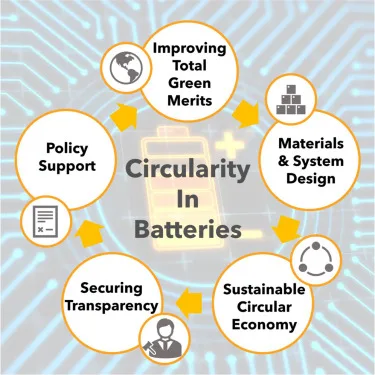
Despite the challenges, several promising solutions and strategies are being developed to address the issues related to lithium battery recycling. These sustainable solutions aim to make recycling more efficient, cost-effective, and environmentally friendly.
- Advanced Recycling Technologies
To overcome the challenges of recycling lithium batteries, researchers and companies are focusing on developing new technologies that can improve the efficiency and cost-effectiveness of the recycling process. Some of the key innovations in battery recycling include:
- Direct Recycling: Rather than breaking down the batteries into their individual components, direct recycling methods aim to preserve the structure of the battery’s components, such as the cathode. This process is faster and less energy-intensive, which can reduce costs and improve efficiency.
- Hydrometallurgical and Pyrometallurgical Methods: These methods use chemical or heat treatments to extract valuable materials from used batteries. Hydrometallurgy involves using solvents and acids to dissolve metals, while pyrometallurgy involves using high temperatures to melt metals. These processes can recover higher percentages of valuable metals like cobalt, nickel, and lithium, making the recycling process more economically viable.
- Biological Recycling: Research is also being conducted into the use of bacteria and other microorganisms to extract metals from lithium-ion batteries in a more environmentally friendly way. This bioleaching process could potentially be a low-cost and sustainable alternative to traditional recycling methods.
- Improved Battery Design for Recycling
To make batteries more recyclable, manufacturers are beginning to focus on designing batteries that are easier to disassemble and recycle. This includes using less harmful materials, reducing the number of different materials in the battery, and creating modular designs that allow individual components to be more easily separated. Some manufacturers are already developing “recyclable” lithium-ion batteries, which are designed with recycling in mind.
By creating batteries that are easier to recycle, manufacturers can reduce the environmental impact of their products and make it easier to recover valuable materials at the end of a battery’s life cycle.
- Developing Closed-Loop Recycling Systems
A promising solution for lithium battery recycling is the creation of closed-loop recycling systems. In a closed-loop system, the materials recovered from used batteries are used to produce new batteries, creating a continuous cycle of material reuse. This reduces the need for raw materials and decreases the environmental impact associated with mining and extraction.
Several companies and research institutions are working to establish closed-loop recycling systems for lithium batteries, which could help ensure that valuable materials like lithium, cobalt, and nickel are reused instead of being lost to landfills or environmental contamination.
- Public Awareness and Recycling Incentives
Educating the public about the importance of recycling lithium batteries is a crucial step in improving recycling rates. Many consumers are unaware of the proper disposal methods for lithium-ion batteries, and as a result, many old batteries are discarded improperly. By providing information about the environmental risks of improper disposal and making recycling programs more accessible, we can encourage consumers to properly recycle their old batteries.
Governments and businesses can also introduce incentives, such as take-back programs or financial rewards, to make recycling more attractive to consumers. This could help reduce the number of batteries that end up in landfills and ensure that more batteries are recycled effectively.
- Strengthening Global Recycling Regulations
Governments and international organizations can play a vital role in improving lithium battery recycling by establishing clear regulations and standards for battery disposal and recycling. Regulations can help create the infrastructure needed to collect, process, and recycle lithium-ion batteries efficiently and safely. They can also incentivize businesses to invest in advanced recycling technologies and promote best practices for recycling.
Conclusion
Lithium battery recycling is essential for reducing the environmental impact of battery production, conserving valuable resources, and ensuring the sustainability of the growing demand for battery-powered technologies. However, the challenges related to battery design, recycling infrastructure, cost, and improper disposal must be addressed to make recycling more efficient and effective.
Sustainable solutions such as advanced recycling technologies, improved battery design, closed-loop recycling systems, public awareness campaigns, and stronger regulations can help overcome these challenges. With continued innovation and collaboration, lithium battery recycling can become a cornerstone of a sustainable and circular economy, reducing the need for mining and lowering the environmental footprint of lithium batteries.
