
The demand for flexible, lightweight, and efficient power solutions has skyrocketed as portable electronics evolve. From smartphones and wearable tech to foldable displays and smart glasses, the future of electronics is moving toward more compact and flexible designs. A critical element enabling this innovation is the Lithium Polymer (LiPo) battery.
In this article, we explore how Lithium Polymer batteries are becoming the go-to power solution for flexible and portable electronics, examining their advantages, key features, and the industries they are transforming.
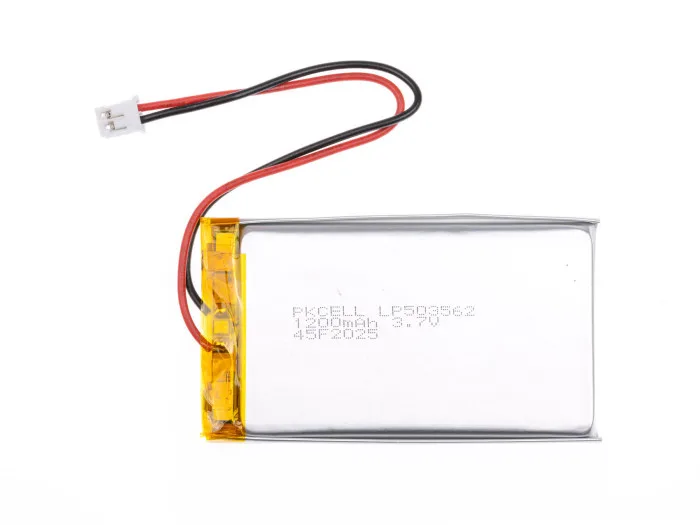
What Are Lithium Polymer Batteries?
Lithium Polymer (LiPo) batteries are a type of lithium-ion battery that uses a polymer electrolyte (as opposed to the liquid electrolyte used in traditional lithium-ion batteries). This innovation allows LiPo batteries to be more versatile, as they can be shaped into thinner, flexible designs that are ideal for modern portable electronics.
Why LiPo Batteries Are Ideal for Flexible and Portable Electronics
- Thin, Lightweight, and Flexible
One of the standout features of LiPo batteries is their flexibility and lightweight nature. Unlike traditional cylindrical or prismatic lithium-ion cells, LiPo batteries can be made into ultra-thin, flat, and even bendable shapes. This makes them a perfect match for devices that need compact and flexible power sources.
- Space-Saving: Their ability to conform to various shapes and sizes enables designers to create sleeker and more efficient products, making LiPo batteries ideal for wearables like smartwatches, fitness trackers, and wireless headphones.
- Portable: These batteries provide high energy density while maintaining a small footprint, ensuring that devices can remain lightweight without sacrificing performance.
- High Energy Density
Despite their slim profile, Lithium Polymer batteries offer high energy density, meaning they can store a large amount of energy relative to their size. This feature is critical for portable electronics, which need to run for extended periods without increasing device size or weight.
- Longer Battery Life: This high energy density ensures that devices powered by LiPo batteries can last longer between charges, which is especially important in smartphones, laptops, and wearables.
- Extended Performance: In wearables and compact devices, long-lasting battery life ensures better user experiences without frequent charging.
- Safety and Stability
Lithium Polymer batteries are known for their enhanced safety features. Their solid polymer electrolyte significantly reduces the risk of leakage or rupture compared to traditional lithium-ion batteries, which can be susceptible to leaks or short-circuiting due to the liquid electrolyte.
- Safer Design: Since LiPo batteries are less likely to leak or overheat, they are considered safer for use in compact devices where safety is a top priority, such as health-monitoring wearables and medical devices.
- Resilient to Impact: LiPo batteries can handle impacts better, making them a suitable option for outdoor gadgets like portable speakers, drone batteries, and action cameras.
- Flexible and Customizable
LiPo batteries can be manufactured in various shapes and sizes, making them ideal for devices with unique form factors. They are also used in flexible displays or foldable electronics, opening up the possibility of innovative new designs.
- Shape and Size Flexibility: This makes LiPo batteries ideal for emerging technologies like flexible smartphones or foldable tablets. These devices require batteries that can bend and adapt to new shapes without compromising their function.
- Tailored for Specific Needs: Whether it’s a small smartwatch or a large tablet, LiPo batteries can be customized to fit the required design specifications, offering a wide range of design possibilities for manufacturers.
Applications of Lithium Polymer Batteries in Flexible and Portable Electronics
- Wearable Technology
The rise of wearable devices, from fitness trackers and smartwatches to smart glasses and health monitoring devices, has created a need for batteries that are compact, lightweight, and capable of long-lasting performance. Lithium Polymer batteries are ideal for these applications due to their thin profile and high energy density.
- Fitness Trackers: LiPo batteries power fitness bands and other wearable tech, providing all-day battery life without adding bulk.
- Smartwatches: These devices require batteries that can fit into small spaces and run continuous monitoring applications. LiPo’s lightweight and long-lasting power make it the perfect choice.
- Portable Electronics
LiPo batteries have significantly impacted the consumer electronics industry, powering devices like smartphones, tablets, wireless headphones, and Bluetooth speakers. The high power-to-weight ratio ensures that these devices remain light and compact, yet still perform well throughout the day.
- Smartphones: With the demand for sleeker and more compact designs, LiPo batteries provide enough energy while maintaining a slim profile.
- Wireless Earbuds: Due to the small form factor, LiPo batteries are used extensively in wireless audio devices, such as Bluetooth earbuds and headsets.
- Foldable and Flexible Displays
LiPo batteries have also enabled the development of flexible and foldable displays, as they can be adapted to the contours of curved or bendable screens. This is particularly useful for devices like foldable phones or flexible tablets.
- Flexible Displays: LiPo’s ability to bend and fit into unconventional shapes makes it an excellent power source for flexible display technology, which is the future of consumer electronics.
- Drones and RC Devices
In the world of remote-controlled devices, drones, and RC toys, lightweight, high-capacity batteries are essential for extended flight times. Lithium Polymer batteries are commonly used due to their high discharge rates and power output, which are crucial for high-performance devices.
- Drones: LiPo batteries provide the necessary power for drones, ensuring longer flight times and quicker charging, which is essential for both recreational and commercial use.
- RC Devices: Whether it’s for RC cars or helicopters, the use of LiPo batteries allows these toys to perform at a high level while remaining lightweight and compact.
Challenges of Lithium Polymer Batteries
While Lithium Polymer batteries offer numerous benefits, they do have certain limitations:
- Cost
LiPo batteries are more expensive to manufacture than traditional batteries, which can increase the overall cost of the device. For manufacturers, this means that incorporating LiPo batteries may lead to higher production costs.
- Higher Initial Cost: The advanced manufacturing process and the materials required for LiPo batteries contribute to their premium pricing.
- Sensitivity to Overcharging and Overheating
LiPo batteries are sensitive to overcharging and overheating, which can lead to battery degradation or even fire hazards. Special battery management systems (BMS) are required to ensure the battery is not overcharged or overheated.
- Proper Care: Using a BMS and keeping the device within the recommended temperature ranges can help mitigate the risks of overheating.
- Shorter Shelf Life
Compared to other battery types like lithium-ion, LiPo batteries generally have a shorter shelf life and can degrade faster when unused for long periods. Regular cycling (discharge and recharge) is recommended to prolong their lifespan.
Conclusion: The Future of Lithium Polymer Batteries in Flexible and Portable Electronics
Lithium Polymer batteries are revolutionizing the way we power modern electronics, especially in the fields of wearables, portable devices, and flexible technologies. Their ability to be thin, lightweight, and highly efficient makes them the go-to choice for next-generation electronics, from foldable smartphones to high-performance drones.
As technology continues to evolve and new applications emerge, Lithium Polymer batteries are expected to play an even more significant role in powering smarter, more efficient, and innovative devices. With safety enhancements and energy density improvements on the horizon, LiPo batteries are set to continue driving the evolution of portable and flexible electronics, providing both consumers and manufacturers with better power solutions for the future.
