
The growing demand for energy storage solutions driven by electric vehicles (EVs), renewable energy systems, and consumer electronics has spurred advancements in battery technologies. Among the many innovations in this field, hybrid sodium-lithium-ion (Na-Li) batteries are emerging as a potential game-changer, offering a path to significantly reduce costs while maintaining performance.
Hybrid sodium-lithium-ion batteries combine the advantages of both sodium-ion and lithium-ion technologies, creating a hybrid system that aims to strike a balance between the cost-efficiency of sodium and the performance characteristics of lithium. This article explores the fundamentals of hybrid sodium-lithium-ion battery systems, their potential benefits, the challenges they face, and how they could drive down the cost of energy storage applications.
Understanding Sodium-Ion and Lithium-Ion Batteries
Before delving into the concept of hybrid sodium-lithium-ion batteries, it’s important to understand the basic workings of sodium-ion (Na-ion) and lithium-ion (Li-ion) batteries.
Lithium-Ion Batteries:
Lithium-ion batteries have become the dominant energy storage solution due to their high energy density, long cycle life, and widespread commercial availability. These batteries rely on lithium ions (Li+) moving between the cathode and anode during charge and discharge cycles. While Li-ion batteries are highly efficient, the primary challenge with these batteries is the cost, which is largely driven by the price of lithium and other critical materials such as cobalt and nickel.
Sodium-Ion Batteries:
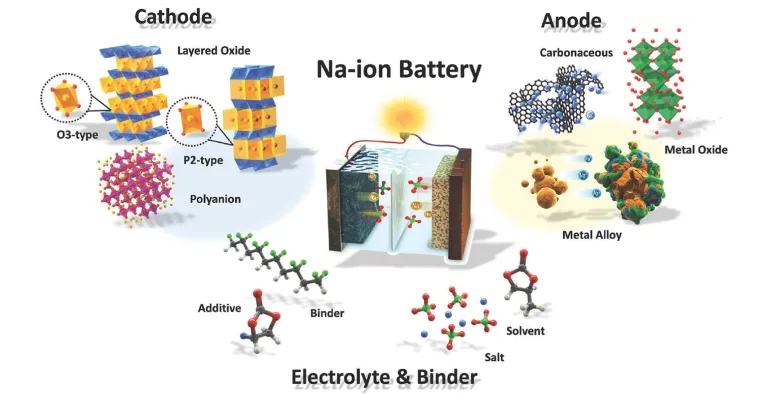
Sodium-ion batteries operate on a similar principle to lithium-ion batteries but use sodium ions (Na+) instead of lithium. Sodium is much more abundant and cost-effective than lithium, which makes Na-ion batteries an attractive alternative from a cost perspective. However, sodium-ion batteries typically suffer from lower energy density compared to lithium-ion batteries. This makes them less ideal for high-performance applications like electric vehicles but potentially suitable for stationary energy storage systems where cost is a more important consideration than energy density.
Hybrid Sodium-Lithium Ion Battery Systems:
Hybrid sodium-lithium-ion batteries combine the strengths of both technologies, potentially offering a solution that balances performance and cost-effectiveness. In these hybrid systems, the battery may use sodium for one electrode (usually the anode) and lithium for the other (typically the cathode). This approach allows for leveraging the abundant and low-cost nature of sodium while still benefiting from the higher energy density of lithium, resulting in a more affordable and efficient battery system.
Advantages of Hybrid Sodium-Lithium-Ion Batteries:
- Cost Reduction: One of the most compelling reasons to explore hybrid sodium-lithium-ion batteries is their potential for significant cost reduction. Sodium is abundant and inexpensive, and as such, hybrid systems that incorporate sodium into the battery structure can reduce the overall cost of materials compared to traditional lithium-ion batteries. The cost of lithium, especially given its current market volatility, is one of the primary factors contributing to the high price of lithium-ion batteries. By substituting a portion of lithium with sodium, hybrid systems can reduce reliance on more expensive raw materials.
- Increased Material Availability: Lithium, particularly the high-purity forms required for battery manufacturing, is in limited supply, and its demand is only increasing as the adoption of electric vehicles and other battery-powered systems grows. Sodium, on the other hand, is abundantly available in nature and is considered a far more sustainable option. By using sodium alongside lithium, hybrid systems reduce the pressure on lithium resources and help diversify the supply chain.
- Enhanced Performance in Specific Applications: While sodium-ion batteries tend to have lower energy density, combining them with lithium can help achieve a better balance between performance and cost. For certain applications, like stationary energy storage or large-scale grid systems, the hybrid approach could provide sufficient energy density while lowering the cost per kilowatt-hour (kWh). For instance, hybrid Na-Li batteries could be ideal for storing excess energy generated by renewable sources, where cost is a more significant factor than size or weight.
- Improved Safety Profile: Lithium-ion batteries can sometimes pose safety concerns, including risks of thermal runaway and fire. While sodium-ion batteries have not been widely studied in terms of safety, they are expected to have a more stable performance profile due to the lower reactivity of sodium ions compared to lithium. By combining sodium-ion technology with lithium-ion, hybrid systems may offer a safer alternative for high-energy applications, potentially reducing the risks associated with traditional lithium-ion systems.
- Better Sustainability: Sustainability is a growing concern in the battery industry. The extraction of lithium, cobalt, and other critical metals has raised environmental and ethical concerns due to their mining practices. Sodium, however, is abundant and non-toxic, which makes it a more sustainable option. As the push for greener technologies intensifies, hybrid sodium-lithium-ion batteries may present a more environmentally friendly solution to energy storage.
Challenges of Hybrid Sodium-Lithium-Ion Batteries:
While hybrid sodium-lithium-ion batteries hold great promise, they are not without their challenges.
- Energy Density: The most significant disadvantage of sodium-ion batteries is their lower energy density compared to lithium-ion batteries. Even though hybrid systems can offset some of this by using lithium in one part of the battery, sodium-ion’s inherent limitations still result in a decrease in overall energy capacity. This is a major factor in determining whether these hybrid batteries can compete with traditional lithium-ion batteries, especially for applications that demand high performance, such as EVs.
- Cycle Life: Sodium-ion batteries generally suffer from a shorter cycle life compared to lithium-ion systems. The longer the battery’s lifespan, the more economical it becomes. Hybrid systems must overcome the challenge of balancing the lifespan of sodium and lithium components, which may wear at different rates during charge and discharge cycles.
- Material and Process Integration: The integration of sodium and lithium in a single battery system presents significant technical challenges. The two materials have different electrochemical properties, and ensuring that they work together efficiently within the same system requires significant research and development. The development of hybrid sodium-lithium-ion batteries must also account for factors like electrode compatibility, charge rates, and efficiency.
- Lack of Standardized Manufacturing Processes: Lithium-ion batteries have well-established manufacturing processes, which have been optimized over years of research and industrial experience. In contrast, sodium-ion technology is still in the early stages of development, and the manufacturing processes for hybrid batteries are not yet standardized. This adds complexity to scaling up production and making the batteries commercially viable on a large scale.
The Future of Hybrid Sodium-Lithium-Ion Batteries
Despite the challenges, hybrid sodium-lithium-ion batteries have significant potential to revolutionize the energy storage market. Ongoing research is focused on improving the energy density, cycle life, and overall performance of sodium-ion technology. As advancements continue, hybrid systems could become a viable option for large-scale applications, such as grid storage, renewable energy systems, and consumer electronics.
Moreover, the development of solid-state batteries and other innovative technologies may further enhance the performance of hybrid systems, allowing them to compete more directly with traditional lithium-ion batteries. In the coming years, hybrid sodium-lithium-ion batteries could emerge as an important piece of the puzzle in the global transition to more sustainable and cost-effective energy storage solutions.
Conclusion
Hybrid sodium-lithium-ion battery systems offer a promising route to reducing the costs of energy storage while maintaining a balance between performance and sustainability. By combining the low-cost, abundant nature of sodium with the high-energy characteristics of lithium, hybrid systems could provide an affordable solution for applications ranging from stationary energy storage to consumer electronics. While challenges such as energy density, cycle life, and integration remain, ongoing research and technological advancements are likely to improve the viability of these systems, making them a key player in the future of energy storage.
As the world moves toward greener and more sustainable energy solutions, hybrid sodium-lithium-ion batteries may offer an exciting opportunity to lower costs, reduce environmental impact, and enhance energy storage capabilities for a variety of industries.
Related Articles
- Lithium-Ion Batteries in Smart Home Devices: Innovations and Trends
- Fast-Charging Lithium Batteries: Design Challenges and Solutions for Consumer Electronics
- Battery Management Systems for Lithium-Ion Batteries
- The Benefits of Lithium-Ion Batteries for Home Energy Storage
- LiFePO4 VS Lead Acid battery: Pros and Cons
