
The battery industry is on the brink of a revolution, with solid-state batteries (SSBs) emerging as one of the most exciting advancements in energy storage technology. While lithium-ion batteries have dominated the market for decades, powering everything from smartphones to electric vehicles (EVs), there are significant limitations to current battery chemistries—particularly related to safety, energy density, and performance. Solid-state batteries present an innovative solution to many of these challenges, and their potential to transform various industries could be immense.
In this article, we will explore what solid-state batteries are, how they differ from conventional lithium-ion batteries, and why they are poised to revolutionize the lithium battery industry.
1. What Are Solid-State Batteries?
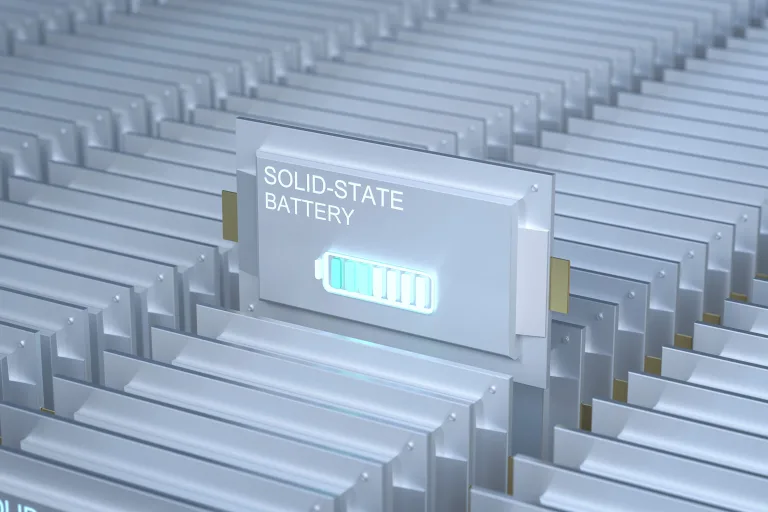
Solid-state batteries are a type of battery that replaces the liquid electrolyte used in traditional lithium-ion batteries with a solid electrolyte. This small but significant change in the structure can potentially enhance the performance, safety, and energy density of batteries, making them highly desirable for a wide range of applications.
Key Components of Solid-State Batteries
- Solid Electrolyte: Unlike conventional lithium-ion batteries, which use a liquid or gel electrolyte to conduct ions between the anode and cathode, solid-state batteries use a solid material to perform this function.
- Anode and Cathode: These components remain similar to traditional lithium-ion batteries, with the anode typically made of lithium metal and the cathode consisting of materials like nickel-cobalt-manganese (NCM) or lithium iron phosphate (LiFePO4).
- Separator: The solid electrolyte acts as both a separator and ion conductor, eliminating the need for the porous separator found in traditional batteries.
2. Advantages of Solid-State Batteries Over Lithium-Ion
- Increased Energy Density
One of the most significant advantages of solid-state batteries is their potential for higher energy density. Solid electrolytes can facilitate the use of lithium metal as an anode material, which has a much higher theoretical energy capacity than the graphite anodes used in conventional lithium-ion batteries. This means that solid-state batteries can store more energy in a smaller space, leading to batteries that are both lighter and more efficient.
For electric vehicles (EVs), this could translate into batteries with greater driving ranges, fewer charging stops, and potentially lower costs due to the reduced need for large battery packs. The enhanced energy density also has the potential to revolutionize wearable electronics and smartphones, allowing for longer-lasting power in smaller devices.
- Improved Safety
Conventional lithium-ion batteries use liquid electrolytes, which are highly flammable and prone to thermal runaway, a situation where the battery overheats, catches fire, or even explodes. This is a significant safety concern in applications like electric vehicles, where battery fires can be devastating.
Solid-state batteries eliminate this risk by using non-flammable solid electrolytes. These electrolytes are much more stable at high temperatures and are less likely to react violently when damaged or exposed to short circuits. This improvement could dramatically enhance the safety profile of batteries, making them more suitable for high-stakes applications like electric aviation and automotive industries.
- Longer Life Cycle
Solid-state batteries could also offer a much longer cycle life compared to traditional lithium-ion batteries. One of the challenges with lithium-ion batteries is the formation of dendrites, or small metal spikes, on the anode during charging, which can cause short circuits and degrade battery performance over time. Since solid-state batteries use a solid electrolyte, this dendrite growth is significantly reduced, potentially allowing these batteries to last longer and maintain their performance over many more charge cycles.
This feature is particularly beneficial for electric vehicles, where long-term battery degradation is a major concern for consumers. It could also help in applications like grid energy storage, where long-lasting, low-maintenance batteries are crucial for maintaining stability in power systems.
- Faster Charging
The use of solid electrolytes in solid-state batteries can also contribute to faster charging times. Unlike the liquid electrolytes in traditional lithium-ion batteries, which can experience increased resistance during high-speed charging, solid electrolytes can handle faster ion movement, leading to a more efficient charge cycle. This could mean shorter charging times for consumer electronics and electric vehicles, reducing the amount of time users spend waiting to power up their devices or vehicles.
3. Challenges Facing Solid-State Batteries
- Despite the promise of solid-state batteries, several challenges remain before they can be widely adopted. These challenges include:
- Manufacturing Complexity
- Currently, the manufacturing process for solid-state batteries is complex and costly. The production of solid electrolytes that are both conductive and stable at room temperature is still in the research phase, and scaling up production to meet market demand remains a significant hurdle. While progress is being made in solid-state electrolyte materials, such as sulfide-based and oxide-based electrolytes, these materials must be refined for mass production.
- Cost Considerations
- At present, solid-state batteries are much more expensive to produce than conventional lithium-ion batteries. The high material costs, combined with the complex manufacturing process, make them an expensive option for consumers. However, with continued research and advancements in production techniques, these costs are expected to come down over time.
- Performance at Low Temperatures
- One of the concerns with certain types of solid-state batteries is their performance at low temperatures. Some solid electrolytes may lose their effectiveness in extremely cold conditions, limiting their application in colder climates or for certain high-performance applications. Developing solid electrolytes that maintain high performance at a broad range of temperatures is crucial to making solid-state batteries a viable option across all sectors.
- Compatibility with Existing Battery Systems
- Integrating solid-state batteries into existing infrastructure can also be a challenge. For example, many electric vehicles are designed to use traditional lithium-ion batteries, and retrofitting them to work with solid-state batteries could require significant redesigns of their power systems and battery management protocols.
4. The Future of Solid-State Batteries
Despite the challenges, the future of solid-state batteries is incredibly promising. Researchers and manufacturers are investing heavily in improving material science, battery architecture, and manufacturing processes to overcome the existing hurdles. If these efforts prove successful, solid-state batteries could revolutionize industries by offering:
- Longer-lasting, safer, and more efficient energy storage solutions for electric vehicles, wearable devices, and grid-scale energy storage.
- A reduction in reliance on rare and expensive materials like cobalt and nickel, potentially making battery production more sustainable and affordable.
- The possibility of developing new energy storage technologies for consumer electronics and medical devices that require small form factors and high safety standards.
As research progresses and manufacturing techniques improve, solid-state batteries may become a mainstream solution, enabling safer, longer-lasting, and more efficient energy storage solutions across a wide range of applications.
5. Conclusion
Solid-state batteries are poised to play a transformative role in the future of energy storage, particularly in industries like electric vehicles, consumer electronics, and renewable energy. With their potential to offer higher energy density, enhanced safety, longer life cycles, and faster charging times, solid-state batteries represent a significant leap forward in battery technology.
However, challenges related to manufacturing scalability, cost, and low-temperature performance must still be addressed. If these obstacles can be overcome, solid-state batteries could not only revolutionize the lithium battery industry but also pave the way for more sustainable and safer energy storage solutions in the coming years. The next few decades could see a dramatic shift in the way we store and use energy—thanks to the breakthroughs made by solid-state technology.
