
With the increasing frequency of power outages and the growing demand for reliable backup power, many homeowners are turning to lithium batteries as a solution. Unlike traditional lead-acid or gas-powered generators, lithium-ion batteries offer several key benefits that make them ideal for backup power systems in homes. They are compact, efficient, long-lasting, and more environmentally friendly. In this article, we will explore why lithium batteries are an excellent choice for home backup power systems, and the factors to consider when using them for this purpose.
1. Why Choose Lithium Batteries for Backup Power?
- High Efficiency and Energy Density
Lithium batteries are known for their high energy density, which means they can store a large amount of energy in a relatively small and compact form. This is especially important for home backup power, where space is often limited and efficiency is key. Unlike traditional lead-acid batteries, lithium batteries are much lighter and smaller, making them easier to install and maintain.
- Energy Density: Lithium batteries can provide more power in less space, ensuring that the battery system can store enough energy for multiple days of backup power.
- Efficiency: Lithium batteries typically have higher charge/discharge efficiency than their lead-acid counterparts, meaning more of the energy from the grid or solar panels is stored and less is lost during the process.
- Longer Lifespan
One of the standout features of lithium batteries is their long cycle life. While a typical lead-acid battery might last 3–5 years, lithium batteries can last up to 10 years or more, depending on usage. This makes them a more cost-effective solution over time, as you won’t need to replace them as frequently.
- Cycle Life: Lithium batteries offer between 3,000 to 5,000 charge cycles, significantly longer than lead-acid batteries, which typically offer 500–1,000 cycles.
- Cost-Effectiveness: While lithium batteries have a higher upfront cost, their long lifespan and minimal maintenance can offset the initial investment.
- Faster Charging Time
Lithium batteries have a faster charging rate compared to lead-acid batteries. This can be crucial during power outages, as it allows for quicker replenishment of stored energy. Depending on the system size and usage, this can help ensure you have backup power as quickly as possible, especially if you rely on solar panels to charge your system.
- Quick Recovery: In a power outage, a lithium battery can recharge significantly faster than other types, ensuring your home can be powered for longer periods.
- Low Maintenance
Lithium-ion batteries generally require very little maintenance compared to traditional battery technologies, like flooded lead-acid batteries, which require regular checks and water refills. Lithium-ion systems are typically sealed, and their intelligent Battery Management Systems (BMS) monitor the battery’s performance to prevent issues like overcharging or over-discharging.
- No Watering: Unlike flooded lead-acid batteries, lithium batteries don’t require periodic watering.
- Battery Management System (BMS): This system ensures optimal performance and safeguards the battery from potential risks, such as overheating or deep discharges.
2. Benefits of Lithium Batteries for Home Backup Power Systems
- Compact Design and Space-Saving
Lithium batteries are significantly more compact than traditional lead-acid batteries, making them ideal for installations where space is at a premium. Their sleek design allows them to be installed in smaller spaces, such as in basements, closets, or garages, without taking up much room. This is especially useful for homeowners with limited storage space for backup systems.
- Space Efficiency: Lithium batteries require far less space, providing more flexibility in installation.
- Aesthetics: Their modern design allows them to blend seamlessly with the home environment.
- Superior Performance in Extreme Conditions
Lithium-ion batteries perform better in extreme weather conditions, such as high or low temperatures. While traditional lead-acid batteries can struggle in cold weather (causing capacity loss and damage), lithium batteries have better temperature tolerance. This is crucial in areas where temperature fluctuations are frequent or where temperatures can drop well below freezing.
- Cold Weather Performance: Lithium batteries typically perform better in cold temperatures, retaining more capacity and charge efficiency.
- Hot Weather Tolerance: Lithium batteries also tolerate higher temperatures without significant degradation, unlike lead-acid batteries, which can lose capacity in extreme heat.
- Environmental Benefits
Lithium batteries are more environmentally friendly than traditional backup power options. While both types of batteries require responsible recycling, lithium batteries are considered more sustainable because they do not contain harmful chemicals like lead or cadmium. Additionally, the long lifespan and higher efficiency of lithium batteries reduce their overall environmental impact over time.
- Sustainable: Lithium batteries have a lower carbon footprint compared to other types of backup power technologies.
- Recyclability: Lithium batteries are easier to recycle than lead-acid batteries, contributing to a more eco-friendly solution.
3. Key Considerations When Using Lithium Batteries for Home Backup Power
- Battery Size and Capacity
Choosing the right battery capacity is critical for ensuring that your backup system meets your energy needs. The size of the battery will depend on factors like the size of your home, your energy consumption, and how long you need to rely on backup power during an outage. When sizing a battery, consider:
- Energy Needs: Calculate how many appliances you need to power during an outage and their respective energy consumption.
- Battery Capacity: Lithium batteries are rated in kilowatt-hours (kWh), and you should select a system that can provide enough power to keep essential devices running for a desired period.
- System Integration
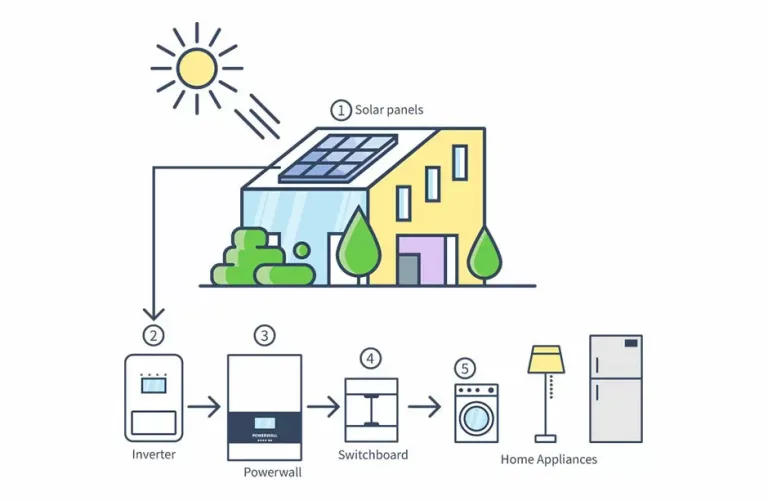
Lithium batteries can be integrated with various power sources, including solar panels and electricity grids. When setting up a home backup power system, consider whether you want to use your system with solar power for long-term sustainability. Lithium batteries are well-suited for solar energy storage, as they charge quickly and can be discharged over long periods.
- Solar Integration: Lithium batteries are the most commonly used for solar energy storage, as they can efficiently store energy during the day and supply power at night or during cloudy periods.
- Grid Connection: If you’re using a grid-connected battery backup system, ensure that the inverter and charge controller are compatible with your lithium battery.
- Warranty and Support
When choosing a lithium battery for backup power, it’s essential to check the warranty and customer support offered by the manufacturer. A long warranty (typically 10–15 years) reflects the durability and reliability of the battery, giving you peace of mind that it will continue to perform well over time.
- Warranty: Look for a lithium battery with at least 10 years of warranty to ensure long-term performance.
- Customer Support: Choose manufacturers with a strong reputation for offering technical support and service options in case of any issues.
4. Conclusion
Lithium batteries are increasingly becoming the preferred solution for home backup power systems due to their efficiency, long lifespan, and minimal maintenance requirements. While they come at a higher upfront cost compared to traditional lead-acid batteries, their superior performance, safety, and environmental benefits make them an excellent long-term investment for homeowners seeking reliable backup power.
Key factors such as battery capacity, system integration, and environmental conditions must be carefully considered when choosing a lithium battery for home backup. By selecting the right lithium battery, homeowners can ensure that they have access to reliable, efficient, and sustainable power during outages, improving overall energy independence and resilience.
Related Articles
- Fast-Charging Technology for Lithium Batteries
- How to choose between LIFEPO4 and lithium-ion batteries depending on your needs
- Everything You Need to Know About Lithium Batteries in Cold Weather
- How Lithium-Ion Batteries Are Revolutionizing the Drone Industry
- Why Are Electric Vehicles Preferred to Use Lithium Batteries?
