
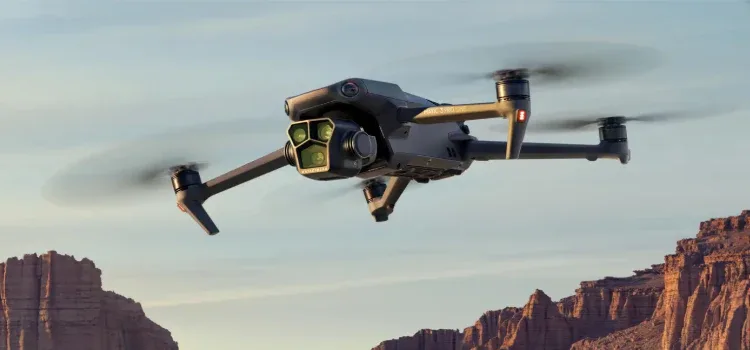
The drone industry has undergone a dramatic transformation over the last decade, with applications spanning from aerial photography and surveillance to delivery services and agriculture. One of the primary factors driving this revolution is the advancement of battery technology, particularly the rise of lithium-ion batteries. These batteries have not only enhanced drone performance but have also expanded their capabilities, making them more efficient, reliable, and versatile. In this article, we explore how lithium-ion batteries are reshaping the drone industry and why they are the preferred power source for modern drones.
1. The Role of Lithium-Ion Batteries in Drone Performance
High Energy Density for Longer Flight Times
Lithium-ion batteries are renowned for their high energy density, meaning they can store more energy in a smaller and lighter package compared to traditional battery technologies like nickel-cadmium (NiCd) or lead-acid. For drones, where weight and flight time are critical factors, lithium-ion batteries provide a significant advantage.
- Increased Range and Duration: Drones powered by lithium-ion batteries can achieve significantly longer flight times, ranging from 20 minutes to over an hour, depending on the drone’s size and battery capacity. This is a dramatic improvement over older battery technologies that often limited flight times to just a few minutes.
- Improved Payload Capacity: Lighter batteries mean that drones can carry heavier payloads (e.g., high-resolution cameras, sensors, or delivery packages) without compromising flight time or performance.
Fast Charging Capabilities
Lithium-ion batteries can be charged faster than other battery types, which is crucial for drones in commercial applications where downtime must be minimized. The rapid charging capability of lithium-ion batteries allows drones to return to flight within a short period, significantly improving operational efficiency.
- Quick Turnaround for Commercial Use: For commercial drone operators, such as those involved in delivery or inspection services, having drones ready to fly again in a matter of minutes is a game-changer.
2. Durability and Reliability in Harsh Conditions
Drones often operate in challenging environments where reliability and performance under stress are paramount. Lithium-ion batteries are known for their robustness and long life cycle, making them ideal for drone applications.
Resilience to Temperature Extremes
Lithium-ion batteries have a wide operating temperature range and can function effectively in both hot and cold environments, although their performance is best when kept at moderate temperatures. This makes them suitable for a range of drone missions, from search and rescue in hot climates to agriculture monitoring in cold weather.
Longer Lifespan
Lithium-ion batteries are more durable and long-lasting compared to older battery chemistries. They are less prone to the memory effect, meaning they don’t lose capacity if they are not fully discharged before recharging. This allows drones to maintain their performance levels over time, making lithium-ion batteries a better long-term investment for drone operators.
- Cycle Life: Lithium-ion batteries can withstand hundreds or even thousands of charge-discharge cycles, ensuring that drones can keep flying for a long period before battery replacement is needed.
3. Energy Efficiency and Cost-Effectiveness
The energy efficiency of lithium-ion batteries translates into more efficient energy use in drones. Drones consume power from their batteries more effectively, extending flight times and reducing energy wastage.
Lower Operational Costs
Though lithium-ion batteries can have a higher upfront cost than older technologies, they offer a lower total cost of ownership over time due to their longer lifespan and improved efficiency. The combination of fewer replacements and lower energy consumption makes them a cost-effective choice for drone operators, particularly for businesses with large fleets.
- Lower Fuel Costs: By replacing older, less-efficient battery types with lithium-ion solutions, operators can see reductions in energy-related costs over time.
4. Enabling New Drone Applications
Lithium-ion batteries have significantly expanded the range of applications for drones, allowing them to perform more complex tasks across various industries.
Aerial Photography and Filmmaking
In the entertainment industry, lithium-ion batteries enable drones to fly for extended periods, capturing high-resolution images and video footage from the air. Longer flight times allow drone operators to cover more ground in a single flight, improving productivity and providing better coverage for aerial cinematography.
Surveying and Mapping
For industries like construction, agriculture, and mining, drones equipped with lithium-ion batteries can cover large areas in a single flight, capturing detailed images and data for surveying and mapping purposes. The extended endurance and reliability of lithium-ion batteries are essential for capturing accurate data over long durations without needing to return to base for recharging.
Delivery and Logistics
The advent of drone delivery services is one of the most exciting applications of drones in recent years. Lithium-ion batteries power these drones to transport goods over long distances with minimal weight, and their fast charging capabilities make them well-suited for repeated use in delivery operations.
Agricultural Monitoring and Precision Farming
Lithium-ion batteries also play a crucial role in agriculture, where drones are used for tasks such as crop monitoring, pesticide spraying, and land surveying. The ability to fly for long hours without needing to recharge makes drones equipped with lithium-ion batteries an invaluable tool for precision farming.
5. Environmental Impact and Sustainability
Lithium-ion batteries offer a greener alternative to traditional power sources. While they still require proper recycling methods, lithium-ion batteries are more environmentally friendly than older technologies, especially in the drone industry where sustainability is becoming an important focus.
Lower Carbon Footprint
Since drones can reduce the need for manned aircraft, land-based transport, and other energy-intensive processes, the use of lithium-ion batteries contributes to a reduction in greenhouse gas emissions. The more drones operate, the less carbon is emitted from traditional delivery methods or industrial equipment.
Recyclability
Lithium-ion batteries are increasingly being designed with recyclability in mind. While the technology still has challenges related to end-of-life disposal, significant efforts are being made to reduce their environmental impact and increase the recovery of valuable materials used in their production.
6. The Future of Lithium-Ion Batteries in the Drone Industry
The future of lithium-ion batteries in the drone industry looks promising, with continuous advancements in battery technology making drones even more capable and efficient. Some key areas of development include:
- Solid-State Batteries: The next generation of lithium-based technology, solid-state batteries, promises to further improve energy density, safety, and longevity.
- Fast Charging Innovations: Future breakthroughs in fast-charging technology will allow drones to charge in mere minutes, opening up opportunities for faster turnarounds and more efficient operations.
- Higher Capacity Batteries: As drones continue to evolve, higher-capacity batteries will be developed to support more powerful drones capable of carrying larger payloads for extended periods.
Conclusion
Lithium-ion batteries have revolutionized the drone industry by enhancing performance, expanding capabilities, and enabling new applications. Their high energy density, fast charging, durability, and cost-effectiveness make them the ideal power source for modern drones. As battery technology continues to advance, drones will become even more efficient, powerful, and versatile, paving the way for new innovations and applications across industries like aerial photography, delivery, surveying, and agriculture. With lithium-ion batteries at their core, drones are poised to play an increasingly pivotal role in transforming how we live, work, and communicate.
Related Articles
- Comparing Lithium Batteries for Solar Energy Storage Systems
- Lithium Metal Batteries: High Energy Density Solutions
- Sustainable Recycling Methods for Spent Lithium Batteries
- How Can You Pick the Best Portable Power Station and What Is a Power Station?
- Exploring the Benefits of Lithium Batteries in Electric Scooters
