
In today’s fast-paced world of electronics, battery technology plays a pivotal role in powering everything from smartphones and laptops to wearable devices and drones. As technological advancements continue to push the boundaries of what devices can do, battery technology must evolve to keep up. One such advancement is the Lithium Polymer (LiPo) battery, a flexible and efficient power solution that has gained significant popularity across various industries.
In this article, we’ll explore what lithium polymer batteries are, how they differ from other types of lithium-ion batteries, their advantages, and the many ways they’re used in modern devices. We’ll also dive into their applications, challenges, and the future of LiPo batteries in cutting-edge technologies.
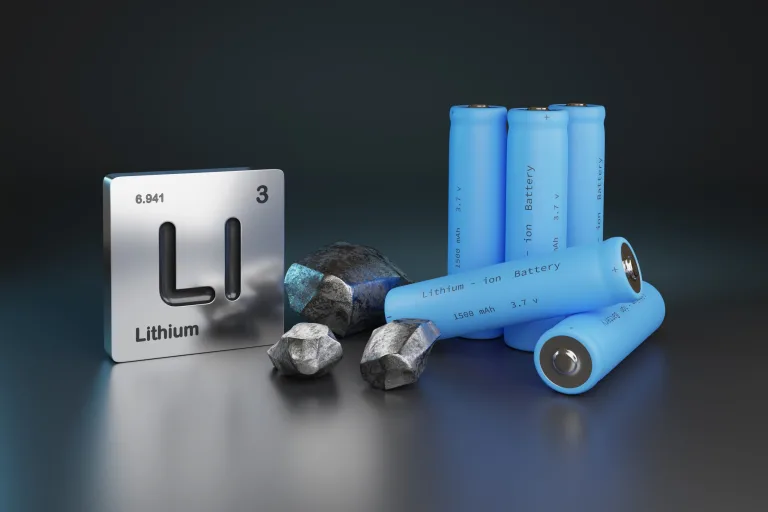
1. What Are Lithium Polymer Batteries?
A Lithium Polymer (LiPo) battery is a type of lithium-ion battery that uses a polymer electrolyte instead of the more commonly used liquid electrolyte. The polymer is typically in a solid, gel-like, or semi-solid state, which provides distinct advantages in terms of form factor, weight, and flexibility compared to traditional lithium-ion batteries.
LiPo batteries operate on the same principles as lithium-ion batteries: lithium ions move between the positive and negative electrodes during charge and discharge cycles, creating a flow of energy. However, the use of a polymer electrolyte allows for greater versatility in battery design, offering manufacturers more flexibility in terms of shape, size, and performance.
2. Key Advantages of Lithium Polymer Batteries
- Flexible and Lightweight Design
One of the standout features of lithium polymer batteries is their flexibility in design. Unlike traditional lithium-ion batteries, which typically come in rigid, cylindrical shapes, LiPo batteries can be produced in a wide range of shapes and sizes, including thin, flat, or flexible forms. This makes them an ideal choice for compact and sleek devices where space is at a premium, such as wearables, smartphones, and tablets.
Additionally, LiPo batteries are lighter than their liquid-electrolyte counterparts, making them suitable for applications where weight is a critical factor. This is particularly important for drones, electric vehicles, and portable electronics, where reducing weight can enhance performance and battery life.
- Higher Energy Density
Lithium polymer batteries often have a higher energy density than traditional lithium-ion batteries, meaning they can store more energy in the same amount of space. This allows devices powered by LiPo batteries to operate longer on a single charge while maintaining a slimmer profile. For example, a thinner, lighter smartphone with a LiPo battery can offer better battery life than one using a traditional lithium-ion battery.
The high energy density also makes LiPo batteries a great fit for power-hungry devices, like drones and RC vehicles, where longer flight or run times are necessary but space and weight constraints must still be met.
- Safety and Durability
While lithium-ion batteries are known for their performance, lithium polymer batteries have some safety benefits. The solid or gel-like polymer electrolyte reduces the risk of leakage compared to liquid electrolytes, which can be hazardous if punctured or exposed to heat. Additionally, LiPo batteries are less prone to the issue of thermal runaway, a common concern with other types of lithium-ion batteries.
However, it’s important to note that LiPo batteries are still sensitive to overcharging, over-discharging, and extreme temperatures, so care should be taken when using them.
- Faster Charging and Discharging Capabilities
LiPo batteries tend to charge faster than other lithium-ion batteries and are capable of delivering higher discharge rates. This makes them a popular choice for devices that require quick bursts of power, such as RC models and drones. Their ability to handle higher discharge rates also makes them suitable for high-performance applications like electric vehicles and sporting equipment.
3. Common Applications of Lithium Polymer Batteries
Due to their flexible form factor, high energy density, and lightweight nature, lithium polymer batteries are used in a wide variety of modern devices. Here are some of the most common applications:
- Smartphones and Tablets
LiPo batteries are commonly found in smartphones, tablets, and other portable consumer electronics. Their thin, lightweight design allows manufacturers to produce devices with sleeker profiles without compromising on battery life. Since these devices are often used for extended periods of time, having a long-lasting and reliable power source is essential. LiPo batteries provide the perfect balance of capacity, compactness, and efficiency to meet these needs.
- Wearable Technology
Wearable devices like smartwatches, fitness trackers, and health monitoring gadgets demand batteries that can fit into small spaces while still delivering reliable power. Lithium polymer batteries are ideal for this application due to their small form factor and high energy density, allowing these devices to run for long periods without adding bulk. Additionally, the flexibility of LiPo batteries allows them to conform to the curved or ergonomic designs that are common in wearable technology.
- Drones and RC Vehicles
The popularity of drones and remote-controlled (RC) vehicles has surged in recent years, with enthusiasts and professionals alike seeking powerful, lightweight batteries to power these devices. LiPo batteries are the top choice for RC hobbyists, as they provide longer flight times and can deliver the high discharge rates necessary for rapid acceleration and high-speed operation. Furthermore, the flexibility of LiPo batteries allows them to fit into the specific configurations of drones and RC vehicles without compromising performance.
- Electric Vehicles (EVs)
Electric vehicles, such as e-bikes, electric scooters, and even full-sized electric cars, also benefit from the use of lithium polymer batteries. These vehicles require high energy density and lightweight batteries to maximize range, efficiency, and performance. As manufacturers continue to innovate, LiPo batteries are becoming an increasingly viable solution for these applications, offering fast charging, high energy output, and lightweight solutions that don’t compromise on power.
- Medical Devices
Portable medical devices, such as hearing aids, infusion pumps, and portable oxygen concentrators, require batteries that can offer reliable power in a compact form. LiPo batteries are an excellent choice for these applications because they offer a long service life, compactness, and the ability to deliver high performance when needed. Their rechargeable nature and ability to fit into small spaces make them ideal for medical devices that are intended to be worn or carried throughout the day.
- Power Tools
Power tools, including drills, saws, and screwdrivers, are increasingly powered by lithium polymer batteries due to their high energy density, quick recharge times, and ability to handle high power demands. Unlike traditional corded power tools, lithium polymer-powered tools are portable, making them more versatile and easier to use in different work environments. The longer battery life and lightweight design also make these tools more convenient and user-friendly.
4. Challenges and Considerations
While LiPo batteries offer many advantages, there are also certain challenges and considerations to keep in mind:
- Cost
Lithium polymer batteries can be more expensive than other types of batteries, particularly when compared to nickel-based or lead-acid batteries. The cost of LiPo batteries often reflects their high energy density, flexibility, and compactness. However, as technology advances and the demand for LiPo batteries grows, the cost is expected to decrease over time.
- Care and Maintenance
Despite their advantages, LiPo batteries require careful handling to ensure optimal performance and safety. These batteries are sensitive to overcharging, over-discharging, and exposure to extreme temperatures. Users must ensure that devices using LiPo batteries are charged correctly and that the batteries are stored safely when not in use. Battery management systems (BMS) are often employed in high-performance applications, like drones, to ensure that these issues are minimized.
- Environmental Impact
Like all batteries, lithium polymer batteries can have an environmental impact, especially when disposed of improperly. Recycling programs for LiPo batteries are essential to reduce environmental harm. As the demand for these batteries grows, the development of sustainable recycling methods will become increasingly important.
5. The Future of Lithium Polymer Batteries
The demand for Lithium Polymer batteries continues to rise across various industries, and as technology evolves, so too will the capabilities of LiPo batteries. The future of LiPo batteries looks promising, with advances in solid-state batteries, faster charging technology, and longer lifespans on the horizon. With continuous improvements in energy efficiency and sustainability, lithium polymer batteries are poised to play an increasingly important role in the electronic devices of tomorrow.
Conclusion
Lithium polymer batteries represent a cutting-edge solution for powering the next generation of portable and high-performance devices. Their flexible design, lightweight nature, and high energy density make them a preferred choice for everything from smartphones and wearables to drones and electric vehicles. While there are challenges in terms of cost and maintenance, the potential benefits far outweigh the drawbacks, and with continued innovation, LiPo batteries will remain at the forefront of modern battery technology for years to come.
Whether you’re using a smartwatch or a drone, chances are that a lithium polymer battery is quietly powering your device—enabling you to enjoy longer usage times, faster charging, and sleek, lightweight designs. As battery technology continues to advance, we can only expect LiPo batteries to evolve, enabling even more innovative and sustainable solutions for the future.
