
Lithium-ion batteries (Li-ion) have become the powerhouse of the electric vehicle (EV) industry, offering superior energy density, lightweight design, and long cycle life. However, as EV adoption accelerates globally, there is growing interest in the impact of fast charging on the long-term performance and degradation of these batteries. While fast charging provides convenience and can dramatically reduce the time it takes to recharge an EV, it may also lead to faster degradation of lithium-ion batteries, potentially shortening their lifespan and affecting their overall efficiency.
In this article, we will explore the mechanisms behind battery degradation caused by fast charging, how it affects lithium-ion batteries in electric vehicles, and what strategies are being employed to mitigate these effects.
1. The Mechanics of Fast Charging
Fast charging is a process that allows EVs to recharge their batteries at a much higher rate than conventional charging methods. While conventional chargers typically provide between 1 kW to 3 kW, fast chargers can deliver much higher power, ranging from 50 kW to 350 kW, depending on the system used.
Charging Rate and Voltage
Fast charging involves delivering higher currents at a constant voltage to quickly restore battery charge. In the case of lithium-ion batteries, charging current is the primary variable that influences heat generation and battery chemistry during the charging process.
The process typically happens in two stages:
- Constant Current (CC): During the first phase, the charger delivers high current until the battery voltage reaches a predetermined level, typically 3.6V to 4.2V for Li-ion batteries. This is when the battery is charging the fastest.
- Constant Voltage (CV): Once the voltage reaches the desired threshold, the charger switches to constant voltage mode, gradually reducing the current as the battery reaches full charge.
While the fast charging process is highly efficient, it involves higher energy flow into the battery cells, generating increased heat. This is where degradation starts to become a concern.
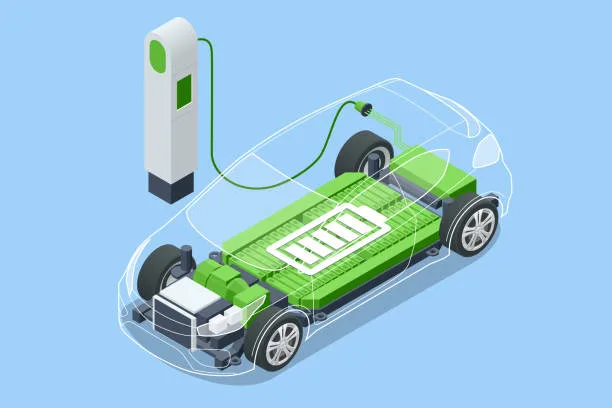
2. The Degradation Mechanisms Caused by Fast Charging
While fast charging provides faster turnaround times, it can have several detrimental effects on the longevity of lithium-ion batteries. Over time, battery degradation occurs through various electrochemical mechanisms that are exacerbated by high charging rates and excessive heat.
- Heat Generation and Thermal Stress
Lithium-ion batteries generate significant heat during the charging process, especially during fast charging, due to the rapid movement of ions within the battery cells. This heat, if not effectively managed, can cause a range of issues:
- Thermal degradation of the battery’s electrolyte can lead to the formation of solid-electrolyte interphase (SEI) layers that reduce the battery capacity and efficiency.
- Prolonged exposure to high temperatures can lead to thermal runaway, a condition where the battery overheats and leads to dangerous consequences like fires or explosions.
- Lithium Plating
At high charging rates, there is an increased risk of lithium plating. This occurs when lithium ions do not have enough time to intercalate (insert) into the anode and instead deposit as metallic lithium on the surface. Lithium plating can cause:
- Reduced battery capacity: Plated lithium can block the flow of ions in the battery, reducing its overall capacity.
- Shortened battery life: Lithium plating is a major cause of capacity fade, the gradual loss of charge retention over time.
- Increased internal resistance: The deposition of metallic lithium can also increase the internal resistance of the battery, leading to reduced performance, less efficient charging, and faster degradation.
- Structural Degradation of the Anode and Cathode
Fast charging can also cause mechanical stress on the battery’s anode and cathode materials. These stresses result from the rapid expansion and contraction of the materials as they absorb and release lithium ions. Over time, this can lead to:
- Cracking of the anode or cathode, reducing the surface area available for ion storage.
- Loss of active material, which diminishes the overall energy storage capacity of the battery.
- SEI Growth and Loss of Capacity
The Solid Electrolyte Interphase (SEI) is a layer that forms on the anode during the first few charging cycles of a lithium-ion battery. The SEI layer is critical for battery stability, but excessive growth, especially due to fast charging, can lead to:
- Increased internal resistance: As the SEI layer grows thicker, it hampers ion movement, reducing the battery’s ability to charge and discharge efficiently.
- Capacity degradation: A thicker SEI layer means less active lithium is available for use, leading to a reduction in energy capacity.
3. Impact on Battery Lifespan
The long-term effects of fast charging are a direct contributor to the degradation of battery capacity and the shortening of its lifespan. EV batteries typically last anywhere between 8-15 years depending on factors such as usage, temperature, and charging habits. However, frequent fast charging can:
- Accelerate the loss of capacity, resulting in reduced range between charges.
- Lower the overall cycle life of the battery. Each fast charge puts additional strain on the battery, reducing the total number of charge cycles it can undergo before becoming unusable.
- Increase the likelihood of premature failure due to thermal stress or lithium plating.
Studies suggest that batteries exposed to frequent fast charging could lose up to 30-40% of their capacity more quickly than those charged at normal rates.
4. Strategies to Mitigate Degradation from Fast Charging
While fast charging is essential for reducing charging times, it is crucial to balance speed with battery longevity. Several strategies can help mitigate the degradation effects caused by fast charging.
- Temperature Management
Effective cooling systems are critical to ensure that the battery remains at an optimal temperature during the charging process. Many modern EVs employ liquid cooling systems to dissipate heat more efficiently during fast charging, which helps prevent overheating and thermal degradation.
- Optimized Charging Algorithms
Battery management systems (BMS) in electric vehicles are becoming increasingly sophisticated. They can control charging rates based on factors like battery temperature, state of charge (SOC), and battery health. By regulating charging currents, these systems can ensure that fast charging only occurs when the battery is within safe operating parameters.
- For instance, the BMS may reduce the charging rate when the battery temperature rises or if the battery is near full charge.
- Adaptive Charging Rates
Some newer EVs are equipped with adaptive charging systems that automatically adjust the charging speed based on the battery’s health and current conditions. For example, the system may prioritize fast charging for shorter trips but opt for slower charging when the vehicle is charging overnight.
- Use of Solid-State Batteries
Solid-state batteries, which are being developed as the next generation of energy storage technology, promise to provide higher energy densities, faster charging times, and less degradation compared to current lithium-ion batteries. While solid-state batteries are not yet widely available for EVs, they could eventually replace conventional lithium-ion batteries and offer a solution to many of the degradation issues caused by fast charging.
5. Conclusion
Fast charging is one of the major conveniences that has accelerated the adoption of electric vehicles by reducing the time it takes to recharge, making EVs more practical for long-distance travel and daily commutes. However, while lithium-ion batteries are capable of handling fast charging, repeated exposure to high charging rates can lead to accelerated degradation, including heat buildup, lithium plating, and structural damage to the battery.
The challenge for the industry is finding a balance between the benefits of fast charging and the preservation of battery health. Continued advancements in battery management systems, cooling technologies, and charging algorithms will play a crucial role in mitigating the long-term impact of fast charging on lithium-ion battery performance. As technology progresses, these systems will ensure that fast charging remains efficient while also maintaining the longevity and sustainability of electric vehicle batteries for years to come.
