
In an era of increasing power outages, unpredictable weather, and rising electricity costs, homeowners are looking for reliable and efficient backup power systems. Traditional lead-acid batteries have long been the go-to solution for backup power, but the rise of lithium-ion batteries is reshaping the landscape of energy storage. Offering superior performance, longer life, and greater efficiency, lithium-ion batteries are quickly becoming the preferred choice for home backup power systems.
This article delves into the benefits, working principles, and applications of lithium-ion batteries in home backup power systems, as well as why they’re the ideal solution for modern homes.
What Are Lithium-Ion Batteries?
Lithium-ion (Li-ion) batteries are rechargeable energy storage systems that use lithium as the core material in their chemical reactions. They are widely known for their high energy density, long lifespan, and efficiency. Unlike traditional lead-acid batteries, which rely on chemical reactions between lead plates and sulfuric acid, lithium-ion batteries use a different mechanism that makes them more compact, lighter, and more durable.
Li-ion batteries consist of several components:
- Anode: Typically made of graphite, it stores lithium ions during charging.
- Cathode: Made of lithium compounds, it releases lithium ions during discharge.
- Electrolyte: A conductive medium that allows lithium ions to move between the anode and cathode.
- Separator: Prevents short circuits by separating the anode and cathode.
Why Choose Lithium-Ion Batteries for Home Backup Systems?
- Long Cycle Life
One of the primary advantages of lithium-ion batteries is their exceptional cycle life. Cycle life refers to the number of charge and discharge cycles a battery can undergo before its capacity significantly diminishes. While traditional lead-acid batteries might last around 500 to 1,000 cycles, lithium-ion batteries can last anywhere from 3,000 to 5,000 cycles.
- Longevity: This means that lithium-ion batteries can serve you for 10+ years or even longer, making them a more cost-effective option in the long run.
- Lower Replacement Costs: The longer lifespan of lithium-ion batteries reduces the need for frequent replacements, which can be a significant cost saver for homeowners.
- Compact and Lightweight Design
Lithium-ion batteries are significantly more compact and lightweight than traditional lead-acid batteries, making them ideal for home backup systems where space might be limited.
- Space Efficiency: They occupy less space, allowing homeowners to store them in smaller utility rooms or garages.
- Easier Installation: Their lighter weight makes them easier to transport and install, requiring less labor and time during setup.
- High Energy Density
The energy density of lithium-ion batteries is much higher compared to lead-acid batteries, meaning they can store more energy in a smaller footprint. This translates to more backup power in a compact system, which is particularly useful for providing backup power to critical appliances during an outage.
- More Power in Less Space: Lithium-ion batteries can store up to two to three times the amount of energy as a lead-acid battery of the same size, making them perfect for homes with limited storage space.
- Faster Charging Time
Lithium-ion batteries charge much more quickly than traditional lead-acid batteries. Depending on the system’s design and charger specifications, lithium-ion batteries can typically reach 80% charge in just a few hours, significantly reducing the downtime during power outages.
- Quick Recovery: With fast charging capabilities, you don’t have to wait long to get your backup power system ready for the next use, making it ideal for unexpected outages.
- Maintenance-Free
Unlike lead-acid batteries, which require regular maintenance (such as topping up with distilled water and cleaning corrosion from terminals), lithium-ion batteries are maintenance-free.
- No Watering: Lithium-ion batteries don’t require periodic maintenance, such as the need to add water to flooded lead-acid batteries, saving time and effort.
- Reduced Risk of Corrosion: Lithium-ion batteries are sealed, meaning there is less risk of leakage or corrosion, which can be an issue with lead-acid batteries.
- Better Efficiency
Lithium-ion batteries offer superior charge and discharge efficiency compared to other types of batteries. They typically exhibit an efficiency rate of around 95%, whereas lead-acid batteries generally operate at an efficiency of 80-85%. This means more of the stored energy is available for use in a lithium-ion-based backup system.
- Lower Losses: Lithium-ion batteries minimize energy losses, providing more usable power for your home during an outage.
- Environmentally Friendly
Lithium-ion batteries are more environmentally friendly than lead-acid batteries. While they still require proper recycling due to the use of lithium and other metals, they are generally considered to have a lower environmental impact.
- No Hazardous Spills: Unlike lead-acid batteries, which can leak hazardous chemicals such as sulfuric acid, lithium-ion batteries pose a lower risk to the environment.
- Recyclable: While lithium-ion batteries need proper recycling processes, advancements are being made in battery recycling technologies to ensure sustainable practices.
How Lithium-Ion Backup Power Systems Work
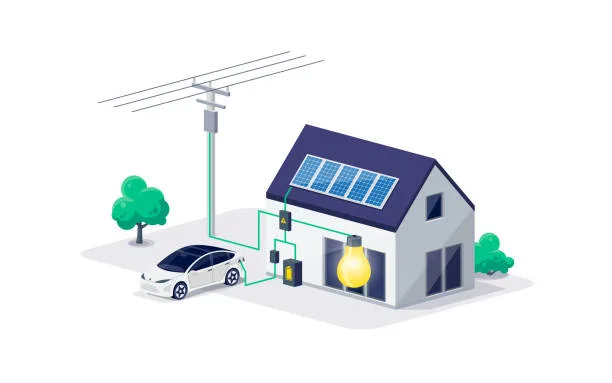
A home backup power system using lithium-ion batteries typically consists of the following components:
- Inverter: Converts DC power stored in the battery to AC power used by most home appliances.
- Battery Bank: Stores the energy to be used during an outage. The larger the battery bank, the longer your backup power lasts.
- Charge Controller: Regulates the charging process to ensure the battery is charged safely and efficiently.
- Generator (Optional): In some systems, a generator may be used as a supplementary source to charge the battery during extended outages.
The system works by drawing electricity from the main grid (or a renewable source like solar panels) to charge the battery. During a power outage, the system switches to battery power, providing electricity to key home appliances like lights, refrigerators, medical devices, and home security systems.
Applications of Lithium-Ion Backup Power Systems
- Solar Energy Integration
Lithium-ion batteries are a perfect match for solar energy systems in homes. With their high energy density and ability to charge quickly, these batteries can store solar energy generated during the day and provide power during the night or cloudy days.
- Off-Grid Homes: For homes that are off the grid, lithium-ion batteries provide a reliable way to store solar energy and ensure a constant power supply.
- Critical Home Appliances
Lithium-ion backup power systems can provide essential power for critical systems during power outages, including:
- Refrigerators and Freezers: Keep your food safe during outages.
- Medical Equipment: Provide energy for life-saving medical devices.
- Security Systems: Ensure that security systems continue to function even during a power loss.
- Entire Home Backup
Some larger lithium-ion systems can be used to back up an entire home, keeping everything from lighting to HVAC running during an outage. Depending on the size of the battery bank, these systems can run critical appliances or even power the home for extended periods.
Conclusion: Why Lithium-Ion Batteries Are the Future of Home Backup Power
Lithium-ion batteries are rapidly becoming the go-to solution for home backup power systems. Their long lifespan, fast charging, high efficiency, and compact design make them a superior choice over traditional lead-acid batteries. As the cost of lithium-ion technology continues to drop, more homeowners are embracing these advanced energy storage solutions for reliable power during outages.
With their growing integration into solar power systems, and the continuous improvements in battery technology, lithium-ion batteries are set to revolutionize the way we approach energy storage for homes, offering a cleaner, safer, and more efficient solution for backup power needs.
Related Articles
- Key Considerations for UL-Certified Lithium Battery Packs in IoT Devices
- From Phones to Grids: How Lithium Technology Is Shaping Global Energy Storage
- Using Lithium-Ion Batteries for Portable Medical Devices
- Lithium-Ion Batteries for Efficient Power Storage in Microgrids
- The Science Behind Valve-Regulated Lead-Acid (VRLA) Batteries in Telecom Systems
