
In recent years, lithium-ion (Li-ion) batteries have become the go-to power source for a variety of devices, especially in the power tools industry. These high-performance batteries are increasingly replacing traditional nickel-cadmium (NiCd) and nickel-metal hydride (NiMH) batteries in both professional and DIY tools due to their superior characteristics. Whether for cordless drills, saws, or grinders, lithium-ion batteries offer significant improvements in performance, efficiency, and convenience.
This article delves into the advantages of lithium-ion batteries in power tools, how they are revolutionizing the industry, and why they are the ideal energy source for modern power tools.
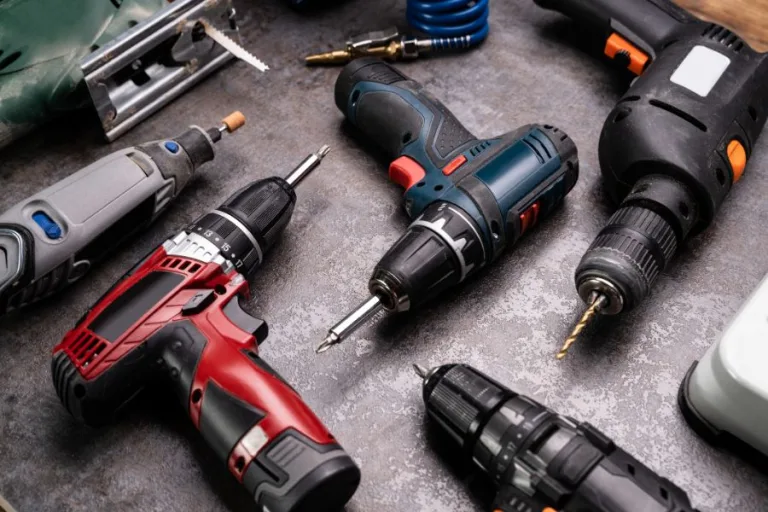
1. Lightweight and Compact Design
One of the most noticeable advantages of lithium-ion batteries over traditional power tool batteries is their lightweight and compact design. Li-ion batteries are significantly lighter than NiCd or NiMH batteries, offering a better power-to-weight ratio. This makes power tools more comfortable and easier to handle, especially during extended periods of use. Whether you’re working on a construction site, tackling home improvement projects, or engaging in more intricate tasks, the reduced weight allows for better ergonomics and user comfort.
For professionals who rely on power tools for hours at a time, reducing the tool’s overall weight can greatly reduce operator fatigue. Furthermore, the compactness of Li-ion batteries means manufacturers can design more portable and conveniently sized tools, allowing them to fit into tighter spaces and be more maneuverable.
2. Longer Battery Life and More Power
One of the standout benefits of lithium-ion batteries is their extended run time. Unlike older battery technologies like NiCd, which tend to lose power quickly and need frequent recharging, lithium-ion batteries can maintain consistent performance throughout their lifespan, providing longer periods of continuous use.
Lithium-ion batteries also offer higher energy density, which translates into more power in a smaller space. Power tools that use Li-ion batteries benefit from the combination of longer operating times and more powerful output, making them highly effective for demanding tasks like drilling, cutting, or grinding. The ability to operate at a consistent level of power, even when the battery is nearing depletion, makes Li-ion-powered tools far more reliable than their predecessors.
3. Faster Charging Times
In the past, one of the major drawbacks of cordless power tools was the long charging times associated with older battery types like NiCd and NiMH. Lithium-ion batteries, however, charge much more rapidly, making them highly efficient for busy professionals who need minimal downtime.
The quick charge times of lithium-ion batteries enable users to get back to work sooner. For example, some Li-ion batteries can be fully charged in as little as 30 minutes. This feature significantly enhances productivity, particularly on job sites or in environments where time is critical.
4. No Memory Effect
A significant problem with older battery technologies, such as NiCd, was their tendency to suffer from memory effect. This phenomenon occurs when batteries are partially discharged and then recharged, causing them to “remember” a shorter capacity, which ultimately reduces their overall battery life. Over time, users would find that their power tools would only work for a fraction of the time they initially could.
Lithium-ion batteries, however, are immune to memory effect. This means you can recharge the battery at any time, regardless of how much charge is left, without compromising its overall capacity or performance. For professionals who rely on power tools throughout the day, this feature is a major advantage, as it provides flexibility in charging and ensures optimal battery performance over the long term.
5. Improved Durability and Safety
Lithium-ion batteries are more durable and safer than their older counterparts. Their design includes advanced battery management systems (BMS) that monitor the voltage and temperature of the battery, ensuring safe operation. For instance, lithium-ion batteries have built-in overload protection, preventing overheating, short circuits, or overcharging — common issues that often plagued older battery types.
Moreover, Li-ion batteries are more resistant to vibration, which is particularly important for power tools. The constant shaking and jarring that occur during heavy-duty tasks can damage other types of batteries, leading to decreased performance and premature failure. Lithium-ion batteries, by contrast, are better suited for demanding applications due to their superior construction and ability to withstand the stresses of constant tool use.
6. Consistent Power Output
Lithium-ion batteries maintain a steady voltage output throughout most of their discharge cycle, meaning that tools powered by these batteries will perform consistently until the battery is close to being fully drained. In contrast, NiCd and NiMH batteries often suffer from voltage drops as their charge diminishes, which can lead to reduced performance and efficiency.
For example, when using a cordless drill with a lithium-ion battery, the tool will operate with steady power throughout the task, providing a more efficient and reliable user experience. Whether you’re drilling through wood, concrete, or metal, lithium-ion batteries ensure that your power tool maintains consistent performance, helping you complete your projects more effectively.
7. Environmental Benefits
Lithium-ion batteries are more environmentally friendly than older battery technologies, such as NiCd. NiCd batteries contain toxic cadmium, a heavy metal that can be harmful to both humans and the environment if not disposed of properly. On the other hand, lithium-ion batteries contain fewer harmful materials, making them easier to recycle and safer for the environment.
Many power tool manufacturers have now adopted green practices in their battery designs, and Li-ion batteries have played a key role in reducing the overall environmental impact of battery-powered tools. Additionally, the longer lifespan of lithium-ion batteries means fewer batteries are required over time, reducing the frequency of disposal and further lowering environmental harm.
8. Cost Efficiency Over Time
While lithium-ion batteries often have a higher initial cost than their NiCd or NiMH counterparts, they are typically more cost-effective over time due to their longer lifespan and greater efficiency. As these batteries last longer and hold more charge, users don’t have to replace them as frequently. This results in savings on battery replacements and increased tool performance over time.
Moreover, the reduced maintenance needs of lithium-ion batteries make them less expensive to operate. There’s no need to worry about the regular maintenance tasks required with NiCd batteries, such as reconditioning or replacing worn-out cells, which adds to the overall cost savings.
Conclusion
The rise of lithium-ion batteries in power tools has brought about a significant transformation in the industry. Their lightweight design, longer battery life, quick charging times, and consistent power output make them the preferred choice for both professional contractors and DIY enthusiasts. Lithium-ion batteries provide reliability, safety, and sustainability, all of which contribute to their growing popularity in cordless power tools.
Whether you’re a home renovator, woodworker, or mechanic, lithium-ion powered tools offer performance that is more than up to the task. With their superior efficiency, convenience, and durability, lithium-ion batteries are undoubtedly shaping the future of the power tools industry, making them the best choice for modern applications.
