
The evolution of drone technology has been fueled by advances in power storage systems, with lithium-ion (Li-ion) batteries playing a pivotal role. These batteries have not only improved the flight time and efficiency of drones but also contributed to their increased reliability, safety, and versatility. In this article, we explore how Li-ion batteries are revolutionizing drone performance, enhancing both consumer and commercial applications.
1. The Importance of Battery Performance in Drones
Drones, whether used for personal hobbies, aerial photography, surveying, or delivery services, rely heavily on the performance of their power source. The battery is, by far, one of the most critical components of any drone, directly influencing flight duration, payload capacity, and operational efficiency.
Key Performance Metrics:
- Flight Time: The length of time a drone can remain airborne before needing to recharge.
- Efficiency: The ability to maximize the energy stored in the battery to increase performance without overloading or causing thermal stress.
- Reliability: The consistency of the battery’s performance across different environmental conditions (e.g., temperature variations, altitude).
Li-ion batteries provide substantial improvements in all of these areas, making them a preferred choice for modern drone designs.
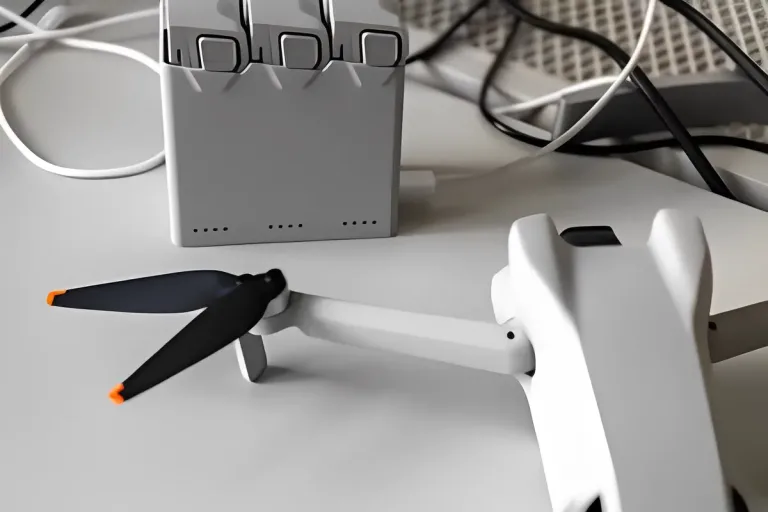
2. Longer Flight Times with Lithium-Ion Batteries
One of the most significant advantages of lithium-ion batteries in drones is their ability to provide longer flight times compared to older battery technologies like NiMH (Nickel-Metal Hydride) or NiCd (Nickel-Cadmium).
Key Benefits:
- Higher Energy Density: Li-ion batteries have a higher energy density, meaning they can store more energy in the same amount of space. This directly translates to longer flight times. For example, modern drones equipped with Li-ion batteries can fly for 20-40 minutes on a single charge, depending on the drone’s size and weight, while older technologies could provide only 10-15 minutes of flight time.
- Lightweight Design: Li-ion batteries are lighter than their counterparts, helping reduce the overall weight of the drone. This further contributes to longer flight times, as less energy is needed to lift the drone off the ground.
The longer flight time allows drone operators to complete more complex tasks without the constant need for recharging or swapping batteries.
3. Enhanced Efficiency and Power Output
Li-ion batteries are designed to deliver a constant power output throughout the discharge cycle, which is crucial for maintaining stable flight performance in drones. Unlike older battery types, which experience a significant drop in voltage and performance as they discharge, Li-ion batteries provide a more consistent and steady power supply, ensuring the drone operates efficiently.
Key Benefits:
- Stable Voltage: The voltage of a Li-ion battery remains relatively constant until it reaches its lower limit, ensuring drones maintain smooth flight and precise control throughout their operation. This is particularly important for high-precision tasks like aerial surveying, mapping, or inspection.
- Efficient Power Use: Li-ion batteries convert more energy into useful power, improving fuel efficiency and reducing energy waste. This results in better performance without overburdening the battery, ensuring optimal energy usage across different flight conditions.
4. Fast Charging and Quick Turnaround
Drone applications often require rapid deployment and quick turnaround times. Lithium-ion batteries excel in this area, offering faster charging speeds compared to other battery technologies.
Key Benefits:
- Shorter Charge Times: Li-ion batteries can typically be charged to 80% in less than 1 hour using fast-charging technology, which is a significant improvement over other battery types, like NiCd or NiMH, that could take several hours to recharge fully.
- Minimal Downtime: This reduction in charging time minimizes the downtime between flights, enabling drone operators to keep their workflows efficient and maximize productivity.
Faster charging is particularly useful in commercial drone operations such as photography, surveying, and inspection, where drones may need to operate in quick cycles throughout the day.
5. Enhanced Safety and Thermal Stability
Lithium-ion batteries have advanced in terms of safety and thermal performance, which are crucial for drones operating in various environmental conditions.
Key Benefits:
- Thermal Stability: Modern Li-ion batteries are equipped with thermal management systems that prevent overheating, a common problem with older batteries. This improves the safety of the drone and ensures that it can operate in a wider range of temperatures without compromising performance.
- Safety Features: Many Li-ion batteries come with built-in protection circuits that prevent issues like overcharging, over-discharge, short circuits, and overheating, which can be dangerous for both the drone and the operator.
- No Memory Effect: Unlike older battery technologies, Li-ion batteries do not suffer from the memory effect, meaning they do not need to be fully discharged before recharging. This allows operators to charge their drones at convenient times without worrying about negatively impacting battery lifespan.
This enhanced safety allows drone operators to confidently use their drones in various environments, from urban areas to remote locations, without worrying about battery failure or hazards.
6. Longer Battery Life and Cost-Effectiveness
While Li-ion batteries are initially more expensive than older battery technologies, their longer lifespan and cost-effectiveness make them a more viable option in the long term.
Key Benefits:
- Longer Cycle Life: Lithium-ion batteries typically last 2-3 times longer than NiCd batteries, with many Li-ion batteries providing 500-1000 charge cycles. This longer lifespan means that operators will have to replace their batteries less frequently, ultimately saving on costs over time.
- Improved Value Over Time: Given their extended lifespan, lower maintenance, and improved performance, Li-ion batteries provide better value for money compared to older battery technologies. Drone owners and businesses can benefit from these long-term cost savings, especially in high-volume commercial operations.
7. Application in Specialized Drones
The increased efficiency and longer flight times offered by Li-ion batteries make them especially beneficial for specialized drones used in high-demand applications such as mapping, inspection, and surveillance.
Key Benefits:
- Surveying and Mapping: Drones used in agriculture, land surveying, and mining can cover larger areas with fewer recharges, improving operational efficiency.
- Inspection and Monitoring: Drones used for power line inspections, oil rig monitoring, and environmental surveys benefit from the longer operational time of Li-ion batteries, allowing them to stay in the air longer without needing a recharge.
- Racing and Entertainment: Even in the competitive world of drone racing, where agility and speed are crucial, Li-ion batteries offer the optimal balance between power, weight, and performance.
Conclusion
The adoption of lithium-ion batteries has dramatically transformed the drone industry, offering longer flight times, enhanced efficiency, faster charging, and improved safety features. These benefits make Li-ion batteries the preferred choice for both consumer drones and commercial applications, where performance and reliability are key.
As drone technology continues to evolve, lithium-ion batteries will remain central to the future of unmanned aerial systems (UAS), enabling innovations in aerial photography, mapping, inspection, and delivery services. With their superior performance, Li-ion batteries are set to continue enhancing the capabilities and potential of drones across a wide range of industries.
