
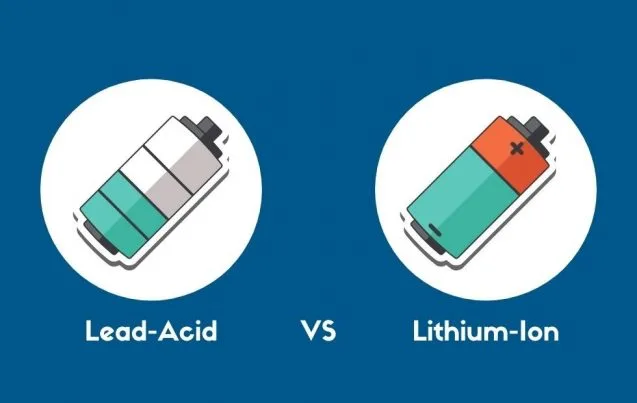
In recent years, lithium-ion batteries have dominated the energy storage landscape, powering everything from smartphones to electric vehicles (EVs). With their impressive energy density, long lifespan, and rapid charging capabilities, lithium-ion technology has rightfully earned its place as the go-to solution for many applications. However, despite these advantages, lead-acid batteries remain a viable and essential option in many sectors. In fact, lead-acid technology continues to outperform lithium-ion in specific areas, including cost-effectiveness, reliability, and robustness in certain applications.
In this article, we’ll explore why lead-acid batteries are still a popular choice in the age of lithium-ion and where they continue to excel despite the advancements in lithium-based technology.
1. Cost-Effectiveness: The Price Advantage of Lead-Acid Batteries
One of the most significant reasons why lead-acid batteries remain popular is their affordability. When compared to lithium-ion batteries, lead-acid batteries are considerably cheaper both in terms of initial purchase price and replacement costs. This makes them an attractive choice for applications where cost-effectiveness is paramount, such as in backup power systems, off-grid solar installations, and electric vehicles for lower-income markets.
Price Comparison
- Lead-Acid Batteries: Typically cost 30-50% less than their lithium-ion counterparts, depending on size and application.
- Lithium-Ion Batteries: Although the cost of lithium-ion technology has decreased over the years, it is still significantly higher than that of lead-acid batteries, particularly in large-scale applications.
For individuals or businesses with limited budgets, lead-acid batteries are often the best option, providing a solid balance between performance and cost.
2. Proven Track Record and Reliability
Lead-acid batteries have been in use for over a century, and their reliability has been well established. These batteries have undergone extensive testing and are trusted in a wide range of applications, including in automotive and industrial settings.
Dependability
- Lead-acid batteries are particularly well-suited for steady, low-to-medium power applications. Their ability to deliver consistent power over long periods of time makes them ideal for emergency backup systems and off-grid energy systems, where reliability is crucial.
- They perform well in harsh environments, including extreme temperatures, and can function even when the temperature dips below freezing. In fact, many marine and vehicle applications use lead-acid batteries specifically because of their reliability under extreme conditions.
The robustness of lead-acid technology makes it a tried-and-true choice for sectors that depend on consistent, long-term performance.
3. Ease of Recycling and Environmental Impact
Recycling is a major environmental consideration when it comes to batteries. One area where lead-acid batteries have an advantage over lithium-ion is in their recycling infrastructure. Lead-acid batteries are one of the most recycled products globally, with up to 95% of their components being reused in the production of new batteries. This established recycling chain makes lead-acid batteries more environmentally friendly than many other battery types, which can have more complex and less efficient recycling processes.
Lead-Acid Battery Recycling
- Lead, a primary component of these batteries, is easily recovered, purified, and reused, minimizing the need for new raw materials.
- The recycling process for lead-acid batteries is highly developed, widely available, and has a much lower environmental impact compared to that of other battery types, like lithium-ion or nickel-based batteries.
This makes lead-acid batteries a more sustainable option in certain contexts, particularly in applications where battery recycling is a critical concern.
4. Durability and Longevity in Specific Applications
Although lead-acid batteries generally have a shorter lifespan than lithium-ion batteries, they excel in certain applications due to their toughness and durability.
For instance, flooded lead-acid batteries are commonly used in applications like backup power systems, marine equipment, and uninterruptible power supplies (UPS) because they can tolerate deep discharge cycles better than other battery types. Their long-cycle durability in specific industries still makes them a smart choice for users who prioritize endurance in demanding environments.
Maintenance and Care
- Lead-acid batteries are typically easier to maintain than their lithium-ion counterparts. With proper care, including regular water refilling and cleaning of terminals, lead-acid batteries can last for several years. They can also perform well under cyclic use, such as in solar energy systems and electric forklifts.
While lithium-ion batteries can be more maintenance-free, they come at a higher price, and their performance can degrade over time due to the number of charge-discharge cycles.
5. The Role of Lead-Acid Batteries in Specialized Applications
Despite the rise of lithium-ion batteries in mainstream applications, lead-acid batteries continue to be the preferred choice for certain niche markets due to their unique characteristics:
- Automotive Industry: Lead-acid batteries remain the dominant power source for starting, lighting, and ignition (SLI) in vehicles. Although some electric vehicle models use lithium-ion, lead-acid batteries are still the default option for traditional internal combustion engine (ICE) vehicles due to their cost-effectiveness and proven performance.
- Telecommunications: Many telecom companies use lead-acid batteries in UPS systems for critical data centers and communication towers. These applications demand reliable power backup, and lead-acid batteries offer an affordable, durable, and effective solution.
- Off-Grid Energy Storage: For those living in remote areas or seeking off-grid energy solutions, lead-acid batteries remain a popular choice for solar and wind energy storage systems. Their affordability and long track record in off-grid applications make them a preferred option for homeowners and small businesses.
6. Conclusion
While lithium-ion batteries continue to make strides in many high-performance applications, lead-acid batteries have carved out a niche that remains vital in specific sectors. Their cost-effectiveness, reliability, ease of recycling, and toughness make them a solid choice for backup power systems, automotive, marine, telecommunications, and off-grid energy solutions.
Though lithium-ion batteries may dominate certain markets, lead-acid batteries are far from obsolete. As long as affordability, durability, and reliability remain essential requirements, lead-acid batteries will continue to play a critical role in energy storage solutions across various industries. Therefore, despite the growing popularity of lithium-ion batteries, lead-acid technology remains relevant and viable, especially for specific, cost-sensitive, and high-reliability applications.
Related Articles
- The Future of Lithium Batteries in Aerospace Applications
- Recycling Lithium-Ion Batteries: Environmental Impact and Solutions
- Detailed Guide: What Size Solar Panel Can Charge A 100Ah Solar Lithium Battery
- Portable Solar Power Stations- Frequently Asked Questions
- How to pick a battery storage system for your home
