
As the global push toward clean energy intensifies, renewable sources like solar and wind are rapidly becoming the backbone of modern energy systems. However, the intermittent nature of these sources poses a key challenge: how to store energy when the sun isn’t shining or the wind isn’t blowing. Enter lithium batteries—a critical component in enabling the reliability and scalability of renewable energy.
From residential solar installations to utility-scale wind farms, lithium battery technology is transforming how energy is stored and delivered. This article explores the essential role lithium batteries play in renewable energy systems, the benefits they offer, and the future outlook for this powerful pairing.
1.Why Energy Storage Is Vital for Renewables
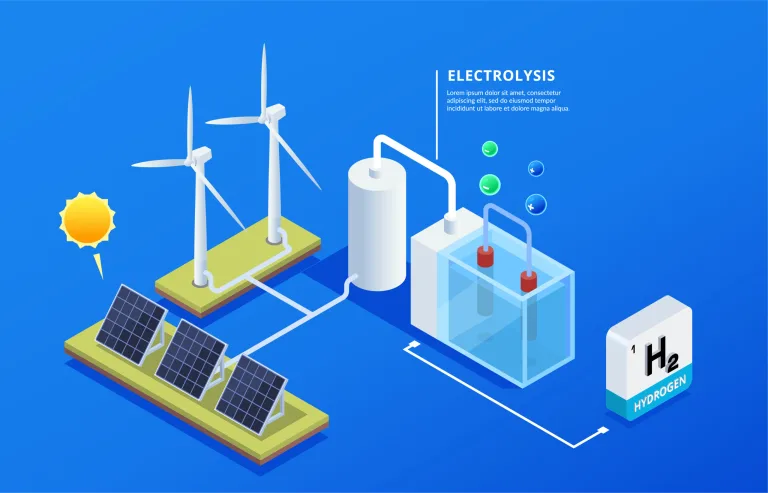
Renewable energy generation is variable and time-dependent. Solar panels produce energy only during daylight hours, and wind turbines depend on weather conditions. Without storage, any excess energy produced during peak times is wasted, and grid instability can result from fluctuations in supply and demand.
Lithium battery storage systems solve this problem by:
- Capturing excess energy during peak production.
- Storing it for use during periods of low or no generation.
- Providing stable, on-demand power to homes, businesses, and the grid.
2.Why Lithium Batteries Lead the Way
Among various energy storage technologies, lithium-ion batteries have emerged as the top choice for integrating with renewable energy systems. Their dominance is driven by a combination of high performance, cost-effectiveness, and scalability.
- High Energy Density
Lithium batteries can store a large amount of energy in a relatively small footprint, making them ideal for both residential and commercial installations.
- Space-Saving: Their compact design enables installation in tight or indoor spaces.
- Lightweight: Compared to other battery chemistries, lithium batteries are significantly lighter, reducing structural requirements.
- Long Cycle Life
Lithium batteries offer exceptional longevity, typically delivering 3,000 to 10,000+ charge cycles, depending on the chemistry and usage.
- Durability: In renewable systems that charge and discharge daily, a long battery life reduces the need for frequent replacements.
- Lower Long-Term Costs: Despite a higher upfront cost, lithium batteries often have a lower total cost of ownership due to fewer replacements and higher efficiency.
- High Efficiency
Lithium batteries boast round-trip efficiencies of up to 95%, meaning less energy is lost during charging and discharging.
- More Energy Savings: High efficiency ensures that more of the renewable energy captured is available for actual use.
- Better System Performance: This leads to more reliable energy delivery and less reliance on the grid.
- Fast Charging and Discharging
Lithium batteries can quickly absorb and release energy, which is especially important in renewable systems where power surges and dips can occur suddenly.
- Grid Support: They help stabilize the grid by instantly injecting or absorbing power.
- Load Shifting: Fast response allows homeowners and utilities to store energy during off-peak hours and use or sell it during peak demand.
- Deep Depth of Discharge (DoD)
Lithium batteries support a depth of discharge of up to 80–100%, compared to around 50% for traditional lead-acid batteries.
- More Usable Capacity: A greater portion of the battery’s energy is accessible without harming its lifespan.
- Optimized Storage: This allows smaller systems to meet larger energy demands.
3.Key Applications in Renewable Energy
- Residential Solar Power Storage
Homeowners use lithium battery storage to store excess solar power generated during the day for use at night or during grid outages.
- Energy Independence: Lithium storage reduces reliance on utility providers.
- Backup Power: Provides emergency power during blackouts.
- Time-of-Use Optimization: Homeowners can store power when it’s cheap and use it when grid rates are high.
- Commercial and Industrial Installations
Businesses combine solar or wind energy with lithium battery storage to cut operational costs and increase resilience.
- Peak Shaving: Reduces charges incurred during peak demand times.
- Grid Services: Enables participation in demand response programs and other utility incentives.
- Uninterrupted Operations: Critical for businesses that need continuous power.
- Utility-Scale Renewable Projects
Large wind and solar farms use lithium battery systems to stabilize output and maintain grid reliability.
- Frequency Regulation: Batteries help maintain grid frequency by responding rapidly to imbalances.
- Curtailment Reduction: Excess generation can be stored instead of wasted.
- Renewable Integration: Makes it easier to bring more variable energy into the grid.
- Microgrids and Off-Grid Systems
In remote areas or regions with unreliable power, lithium batteries enable self-sufficient microgrids powered by renewables.
- Rural Electrification: Brings consistent power to off-grid communities.
- Disaster Resilience: Maintains energy access when centralized grids fail.
4.Environmental Advantages
Lithium battery storage enhances the environmental benefits of renewables:
- Maximizes Clean Energy Use: By storing and using solar and wind energy efficiently, lithium batteries reduce dependence on fossil fuels.
- Lowers Emissions: Replacing diesel generators or grid power with stored renewable energy cuts greenhouse gas emissions.
- Supports Decentralized Energy: Promotes local energy generation and consumption, which reduces transmission losses and infrastructure strain.
5.Challenges and Considerations
While lithium batteries offer numerous advantages, certain challenges remain:
- Upfront Cost
Although prices are falling, lithium batteries still require a higher initial investment than alternatives like lead-acid. However, incentives, tax credits, and falling costs are improving affordability.
- Resource Constraints
The mining of lithium and other metals (e.g., cobalt, nickel) raises environmental and ethical concerns. The industry is working on:
- Recycling solutions to recover materials.
- Alternative chemistries (like LFP – lithium iron phosphate) that are safer and more sustainable.
- End-of-Life Management
Proper disposal and recycling are crucial to minimize environmental impact. Battery manufacturers and regulators are increasingly focusing on:
- Closed-loop recycling programs.
- Policies for extended producer responsibility.
6.Future Outlook
As energy storage becomes more integral to power systems, lithium battery technology continues to evolve:
- Solid-State Batteries: Emerging as a next-gen technology with even higher energy density and improved safety.
- Smart Energy Management: Integration with AI and smart inverters is making battery systems more efficient and autonomous.
- Wider Adoption: Lower costs and increased awareness are driving adoption in developing regions and across broader market segments.
Conclusion
Lithium batteries are the cornerstone of modern renewable energy systems, bridging the gap between clean energy generation and round-the-clock energy availability. Their high efficiency, long life, and flexibility make them ideally suited for applications ranging from residential rooftops to massive solar farms.
As we continue the transition toward a low-carbon future, lithium battery storage will play a pivotal role in ensuring that renewable energy is not only clean, but also reliable, resilient, and accessible for all.
Related Articles
- The Future of Lithium-Ion Batteries in High-Performance Sports Gear
- Lithium-Ion Batteries in Power Tools: Longer Life and Better Performance
- The Science Behind Lithium-Ion Batteries: How They Work and Why They’re Popular
- Utilizing Lithium Batteries for Efficient Grid Energy Storage
- Lithium Batteries for Grid Storage: Challenges and Solutions
