
As the world pivots toward sustainable energy, renewable energy systems like solar and wind have emerged as key players in reducing our reliance on fossil fuels. However, one of the most significant challenges with renewable energy is its intermittent nature. The sun doesn’t always shine, and the wind doesn’t always blow, which can lead to fluctuations in energy production. To address this, energy storage solutions are critical to ensuring that renewable energy is available when needed.
Among the many energy storage technologies, lithium-ion (Li-ion) batteries have gained significant attention for their role in renewable energy systems. Known for their high energy density, long cycle life, and efficiency, lithium-ion batteries are reshaping how we store and manage energy. This article explores the benefits and challenges of using lithium-ion batteries in renewable energy applications, highlighting their transformative potential in the global transition to cleaner, more sustainable power.
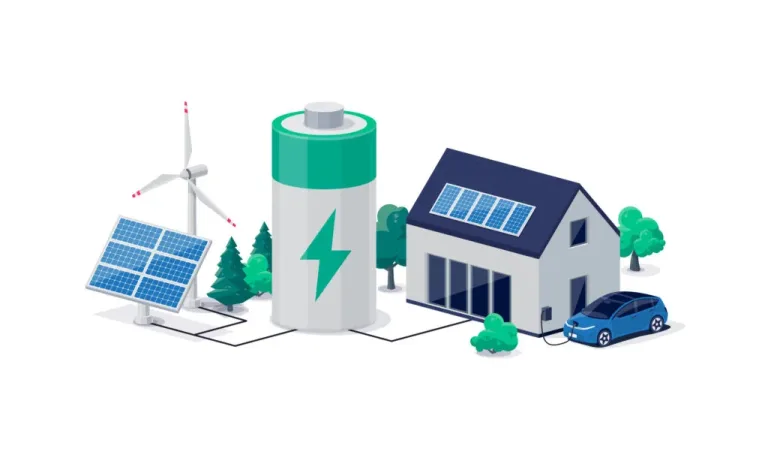
1. Why Lithium-Ion Batteries Are a Game-Changer for Renewable Energy
- a) High Energy Density
One of the primary reasons lithium-ion batteries are so effective in renewable energy systems is their high energy density. This means they can store a large amount of energy in a relatively small and lightweight package. In solar and wind energy systems, where space is often limited, this characteristic is crucial. A high energy density ensures that more energy can be stored in a smaller footprint, making lithium-ion batteries a highly efficient and space-saving solution for energy storage.
For example, a solar-powered home might need to store energy generated during the day to be used at night. Lithium-ion batteries can hold enough energy to power the house through several hours of darkness, even in systems with limited space for energy storage.
- b) Long Cycle Life and Durability
Lithium-ion batteries are known for their long cycle life—the number of charge and discharge cycles a battery can go through before its capacity begins to degrade. This is particularly important in renewable energy systems, where batteries are often expected to last for many years and undergo frequent cycles.
With proper management, lithium-ion batteries can last between 10 to 15 years, far outlasting many other storage technologies. In comparison, traditional lead-acid batteries may only last around 5 to 7 years, making lithium-ion batteries a more cost-effective option in the long run, despite their higher initial cost.
- c) Efficiency and Fast Charging
Lithium-ion batteries operate at higher efficiency levels compared to other battery types, meaning they can store and release energy with minimal losses. Round-trip efficiency, which measures how much energy is lost in the charge/discharge process, can be over 90% in lithium-ion batteries, compared to around 70-80% for lead-acid batteries. This low energy loss ensures that more of the renewable energy generated is available for use when needed.
Additionally, lithium-ion batteries charge faster than many other technologies. This is particularly important for renewable energy systems that require fast response times to adapt to changes in energy generation, especially during peak sunlight or wind conditions.
2. Lithium-Ion Batteries in Solar Energy Storage
One of the most significant applications of lithium-ion batteries in renewable energy systems is in solar energy storage. Solar energy systems typically generate power during the day, but most households or businesses require power at all hours of the day and night. To address this, energy storage is needed to capture excess power during the day for use when the sun isn’t shining.
- a) Solar Power and Lithium-Ion Storage Systems
When paired with a solar panel system, lithium-ion batteries allow for the storage of excess energy that would otherwise be lost. Instead of relying on the grid during the evening or on cloudy days, homes and businesses can draw power from their battery storage. This makes solar energy systems much more reliable and flexible.
For instance, residential solar systems are increasingly integrating home battery storage, with lithium-ion batteries providing backup power during blackouts or emergency situations. This means that individuals and businesses no longer have to rely solely on the grid, giving them more control over their energy use and costs.
- b) Benefits for Solar Energy Providers
For solar providers, lithium-ion batteries also offer a competitive edge. As energy storage costs continue to decrease, more consumers are opting for solar-plus-storage systems. Lithium-ion batteries enable solar companies to offer turnkey solutions where the entire energy generation and storage process is integrated into one system, improving the user experience and simplifying installation.
3. Wind Energy and Lithium-Ion Batteries
Just like solar energy, wind energy production is intermittent, with output fluctuating depending on the wind conditions. This makes energy storage essential for wind-powered systems to ensure that energy can be used when the wind isn’t blowing.
- a) Wind Power Storage
Lithium-ion batteries are also increasingly being used to store energy from wind turbines. For wind energy to be reliable, it must be stored and used during periods of high demand. Lithium-ion batteries can store energy generated during times of strong winds and release it during times when wind generation is low.
These batteries can also help in grid stabilization, allowing excess wind energy to be stored and later discharged during peak demand times, ensuring a continuous supply of energy to the grid.
- b) Integration with Hybrid Systems
Lithium-ion batteries are particularly effective in hybrid renewable energy systems that combine both solar and wind power. These systems rely on battery storage to balance the energy inputs from both solar panels and wind turbines, making them more resilient and reliable. Lithium-ion batteries can quickly adjust to fluctuations in wind or solar output, ensuring that the system runs smoothly regardless of external weather conditions.
4. Grid-Scale Energy Storage with Lithium-Ion Batteries
Beyond residential and commercial use, grid-scale energy storage is essential for stabilizing national or regional power grids. Lithium-ion batteries are increasingly being deployed at grid scale to store excess renewable energy and provide power during periods of high demand or low generation.
- a) Supporting Renewable Energy Integration
As more renewable energy sources, like solar and wind, are added to the grid, the need for reliable energy storage solutions becomes more critical. Lithium-ion batteries offer scalability, allowing grid operators to store and dispatch energy based on fluctuations in supply and demand.
This type of energy storage infrastructure helps to address the intermittency issues of renewable energy sources, facilitating the broader transition toward a cleaner and more reliable grid. For instance, California has already deployed large-scale lithium-ion battery storage systems as part of its renewable energy strategy.
- b) Peak Shaving and Load Shifting
One of the most important functions of lithium-ion battery storage in the grid is peak shaving. During periods of high energy demand, such as in the evening when people return home and use more electricity, lithium-ion batteries can discharge energy to the grid, helping to prevent overload and reduce the strain on power plants.
Lithium-ion batteries can also help with load shifting, where energy is stored during off-peak times (e.g., when solar or wind energy generation is high) and used during peak times. This helps to balance the grid without needing to build new power plants or use fossil fuels.
5. Challenges of Lithium-Ion Batteries in Renewable Energy Systems
While lithium-ion batteries have many benefits, there are several challenges associated with their use in renewable energy systems:
- a) High Initial Cost
Lithium-ion batteries are more expensive than traditional lead-acid batteries, which can make them a less affordable option for certain consumers, particularly in developing regions. However, as technology advances and manufacturing costs decrease, lithium-ion batteries are becoming more accessible.
- b) Recycling and Environmental Impact
The recycling of lithium-ion batteries remains a significant challenge. As the demand for renewable energy storage grows, the demand for lithium-ion batteries will also increase, creating concerns over the supply chain and environmental impacts. While recycling technologies are advancing, there is still room for improvement in terms of efficiency and reducing environmental harm.
- c) Energy Density vs. Space
Although lithium-ion batteries offer high energy density, the energy storage requirements for large-scale renewable energy systems (like wind and solar farms) are significant. As energy demand increases, so does the need for larger battery banks, which can pose space limitations in certain environments.
6. Conclusion
Lithium-ion batteries are playing an increasingly important role in the world’s shift to renewable energy systems. Their high energy density, long lifespan, and efficiency make them ideal for solar, wind, and grid-scale energy storage. With the ability to store excess energy and deliver it during times of high demand or low generation, they help to solve one of the biggest challenges of renewable energy: its intermittency.
While challenges such as cost and recycling remain, the ongoing advancements in lithium-ion technology are helping to overcome these barriers. As the global demand for renewable energy continues to rise, lithium-ion batteries will remain at the forefront of energy storage solutions, enabling the world to power a sustainable future with clean energy.
