
The global shift towards sustainable energy systems is driving innovations in energy storage technologies. Among these, solid-state lithium batteries have emerged as a potential game-changer, promising to revolutionize how we store energy for everything from electric vehicles (EVs) to grid-scale power storage. By overcoming many of the limitations of traditional lithium-ion batteries, solid-state technology offers exciting possibilities for the future of energy storage.
In this article, we will explore the benefits of solid-state lithium batteries in energy storage applications, from increased energy density to improved safety and longevity, and why they are poised to play a key role in the energy landscape of tomorrow.
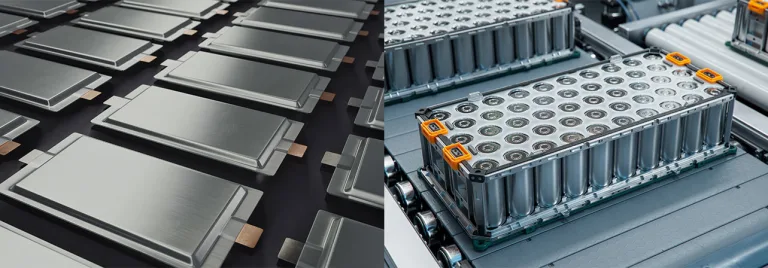
1. What Are Solid-State Lithium Batteries?
Before delving into their benefits, it’s important to understand what solid-state lithium batteries (SSBs) are and how they differ from conventional lithium-ion batteries.
- Structure of Solid-State Batteries
Traditional lithium-ion batteries use a liquid electrolyte to facilitate the movement of ions between the anode and cathode during charge and discharge cycles. Solid-state batteries, on the other hand, replace the liquid electrolyte with a solid electrolyte, which can be made of materials like ceramics or solid polymers.
This change in electrolyte material leads to several advantages, including higher energy density, increased safety, and longer cycle life. Solid-state lithium batteries are still in the development and commercialization phase but are already being recognized for their potential in energy storage systems.
2. Key Benefits of Solid-State Lithium Batteries for Energy Storage
- Higher Energy Density
One of the primary benefits of solid-state lithium batteries is their superior energy density compared to traditional lithium-ion batteries. Energy density refers to the amount of energy that can be stored in a given volume or mass of battery. The solid electrolyte in solid-state batteries allows for a greater packing of energy, meaning they can store more energy in a smaller, lighter package.
This is particularly important for electric vehicles (EVs), where higher energy density translates into longer driving ranges. For grid storage, it means more energy can be stored in the same physical space, allowing for more efficient and compact systems.
Solid-state batteries have the potential to increase energy density by up to 2–3 times compared to traditional lithium-ion batteries, significantly improving the performance and capability of energy storage systems.
- Enhanced Safety
One of the most significant advantages of solid-state lithium batteries is their increased safety. Traditional lithium-ion batteries are prone to thermal runaway—a process where the battery overheats and can catch fire or explode, especially if damaged or improperly charged.
The solid electrolyte used in solid-state batteries is non-flammable, greatly reducing the risk of fires or explosions. Furthermore, solid-state batteries are more thermally stable, making them less susceptible to degradation at high temperatures. This increased thermal stability makes solid-state batteries an ideal choice for large-scale energy storage systems where safety is paramount.
This safety feature is particularly critical for use in applications such as electric vehicles, grid storage, and portable energy systems, where battery failure could lead to significant safety risks.
- Longer Cycle Life
The cycle life of a battery refers to the number of charge and discharge cycles it can undergo before its performance significantly degrades. Solid-state batteries have a much longer cycle life compared to conventional lithium-ion batteries. This is because the solid electrolyte is less prone to the formation of dendrites—metallic structures that can grow inside the battery and cause short-circuiting, leading to capacity loss or failure.
In solid-state batteries, the absence of liquid electrolytes eliminates the risk of dendrite growth, allowing these batteries to maintain their performance over many more cycles. This longer cycle life is beneficial for both electric vehicles, where owners seek long-lasting batteries, and grid storage, where minimizing battery replacements is crucial for cost-effectiveness.
- Faster Charging Times
Another significant advantage of solid-state batteries is their faster charging capability. Since solid-state batteries can operate at higher voltages without the risk of thermal runaway, they can charge more quickly than traditional lithium-ion batteries. This is particularly important in applications where rapid energy replenishment is necessary, such as in electric vehicles and high-power backup systems.
Faster charging times will be a crucial factor in making electric vehicles more convenient and practical for everyday use, especially for long-distance travel where fast-charging stations are needed. For grid storage, faster charging means quicker turnaround times for energy storage systems, improving the efficiency of energy management.
- Environmentally Friendly Materials
Solid-state batteries are also seen as more environmentally friendly compared to their traditional lithium-ion counterparts. Lithium-ion batteries often contain toxic materials like cobalt and nickel, which pose environmental and ethical challenges in terms of sourcing and disposal. In contrast, many solid-state battery technologies can be built using non-toxic, abundant materials, reducing the environmental impact of both the manufacturing process and the end-of-life disposal.
As the world transitions to renewable energy and electric vehicles, the demand for sustainable battery solutions will only increase. Solid-state batteries, with their potential for less harmful materials, offer a promising solution for a more eco-friendly energy storage future.
3. Applications of Solid-State Lithium Batteries in Energy Storage
The unique advantages of solid-state lithium batteries make them an attractive option for various energy storage applications:
- Electric Vehicles (EVs)
Solid-state batteries offer a promising future for electric vehicles. With their higher energy density, longer cycle life, and superior safety, they could significantly improve the performance and practicality of EVs. These batteries could provide longer driving ranges, faster charging, and enhanced safety compared to traditional lithium-ion batteries, making them a game-changer for the EV market.
- Grid-Scale Energy Storage
As the world shifts toward renewable energy sources like solar and wind, the need for efficient and reliable energy storage solutions becomes more critical. Solid-state batteries could play a crucial role in grid-scale storage by storing excess energy produced during peak renewable generation times and releasing it when demand is high or generation is low. Their high energy density and long cycle life make them ideal for large-scale applications, where maximizing space and reducing operational costs are key priorities.
- Portable and Backup Power
Solid-state batteries are also well-suited for portable power and backup power systems. Their compact design and lightweight nature make them ideal for use in off-grid systems, emergency power backups, and portable chargers. With faster charging times and increased safety, solid-state batteries could revolutionize portable energy solutions for both personal and commercial use.
4. Challenges and the Path Forward
Despite their many benefits, solid-state batteries are still in the development phase, and there are several challenges to overcome before they become commercially viable on a large scale.
- Manufacturing Scale: Producing solid-state batteries at scale remains a challenge, as current manufacturing processes are costly and complex.
- Material Challenges: Developing the right materials for solid-state electrolytes that are both effective and scalable remains a work in progress.
- Cost: Although solid-state batteries have the potential for higher energy density and longer life, they are currently more expensive to produce than traditional lithium-ion batteries.
However, with ongoing research and development, many experts believe that these challenges will be overcome in the coming years, leading to more widespread adoption of solid-state batteries in energy storage.
5. Conclusion
Solid-state lithium batteries offer a wealth of benefits for energy storage applications, ranging from electric vehicles to grid storage and portable power systems. With their higher energy density, improved safety, longer cycle life, and potential for faster charging, these batteries have the power to transform the way we store and use energy.
While there are still challenges to overcome in terms of manufacturing and cost, the future of solid-state batteries is bright. As technology advances and economies of scale are achieved, solid-state batteries could become the dominant energy storage solution of the future, paving the way for a more sustainable, efficient, and safe energy ecosystem.
