
As the world increasingly embraces electric vehicles, renewable energy systems, and portable electronics, lithium-ion batteries have become the backbone of modern energy storage. However, the rapid rise in battery use has brought an equally pressing issue into focus: how to responsibly recycle lithium-ion batteries and reduce their environmental impact.
This article examines the environmental challenges posed by lithium-ion battery waste and explores current and emerging solutions aimed at making battery recycling safer, more efficient, and more sustainable.
The Environmental Impact of Lithium-Ion Battery Waste
- Resource Depletion
Lithium-ion batteries rely on finite and resource-intensive materials, including:
- Lithium
- Cobalt
- Nickel
- Manganese
- Copper
Mining these materials is energy-intensive and often linked to deforestation, water scarcity, and habitat disruption. As demand for batteries grows, so does the pressure on these critical resources.
- Toxic Waste and Soil/Water Contamination
Improperly disposed lithium-ion batteries can:
- Leak harmful chemicals into soil and groundwater.
- Release toxic gases when damaged or incinerated.
- Pose a fire hazard due to residual energy and volatile electrolytes.
Without adequate recycling infrastructure, these batteries often end up in landfills, compounding environmental risks.
- Greenhouse Gas Emissions from Production
The production of lithium-ion batteries carries a significant carbon footprint, particularly due to:
- High-temperature refining of raw materials.
- Long global supply chains.
Recycling can help offset these emissions by reducing the need for virgin material extraction and processing.
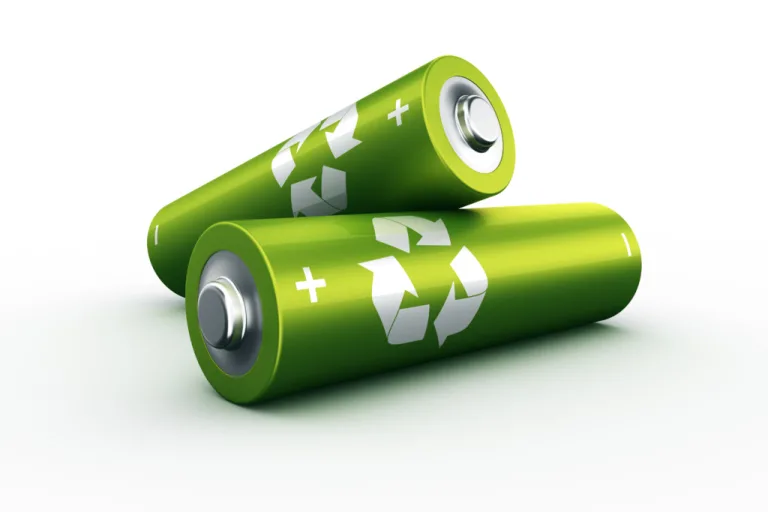
Current Recycling Methods
Battery recycling involves recovering valuable metals and safely managing hazardous components. The most common recycling techniques include:
- Pyrometallurgy (High-Temperature Processing)
- Involves smelting batteries at high temperatures to extract metals like cobalt, nickel, and copper.
- Pros: Established technology; effective for certain materials.
- Cons: Energy-intensive; destroys lithium and electrolyte; releases greenhouse gases.
- Hydrometallurgy (Chemical Leaching)
- Uses acids and solvents to dissolve metals for recovery.
- Pros: Lower energy use; can recover lithium and other valuable materials.
- Cons: Requires chemical handling and wastewater treatment.
- Direct Recycling
- Preserves battery components (e.g., cathodes) for reuse with minimal reprocessing.
- Pros: Environmentally friendly; reduces energy demand.
- Cons: Still in early stages; requires precise sorting and pre-treatment.
Challenges to Effective Recycling
- Lack of Standardization
- Lithium-ion batteries come in various chemistries and designs, making automated sorting and dismantling difficult.
- Low Collection Rates
- Many used batteries are not returned for recycling, especially smaller ones from consumer electronics.
- Inadequate consumer awareness and take-back programs contribute to low recovery rates.
- Safety Concerns
- Damaged or improperly stored batteries pose fire and explosion risks during collection, transport, and processing.
- Economic Viability
- In many cases, the cost of recycling exceeds the market value of recovered materials, discouraging investment.
Emerging Solutions and Innovations
Despite these challenges, researchers and companies are developing better recycling systems to reduce the environmental footprint of lithium-ion batteries.
- Advanced Recycling Technologies
- New mechanical and chemical methods can extract over 90% of lithium, cobalt, and other materials.
- Non-toxic solvents and low-temperature processes are making recycling cleaner and more efficient.
- Battery Design for Recycling
- Manufacturers are exploring modular battery packs and standardized formats to simplify disassembly.
- Innovations like easy-release adhesives and labeling systems help recyclers identify battery types and chemistries.
- Second-Life Applications
- Used EV batteries with diminished capacity are repurposed for stationary energy storage, extending their lifespan before final recycling.
- This approach helps maximize resource use and reduce early disposal.
- Policy and Regulation
- Governments are implementing extended producer responsibility (EPR) policies, requiring manufacturers to manage battery end-of-life.
- Recycling mandates, deposit-return schemes, and consumer awareness campaigns are increasing participation rates.
Global Recycling Efforts and Progress
Several regions are leading the way in lithium battery recycling:
- European Union: Strong regulations under the EU Battery Directive and upcoming Battery Regulation aim to enforce material recovery and sustainability criteria.
- China: Significant investment in battery recycling infrastructure and local reuse markets.
- United States: Federal and state initiatives support battery collection and the development of domestic recycling capabilities.
Private companies are also stepping up, with startups and established firms launching dedicated recycling facilities to meet the growing demand.
What Consumers Can Do
Individual actions matter. Here’s how consumers can help improve lithium-ion battery sustainability:
- Recycle properly: Don’t throw batteries in the trash. Use local e-waste drop-off points or take-back programs.
- Choose responsible brands: Support manufacturers with recycling and take-back commitments.
- Extend battery life: Proper charging habits, avoiding high temperatures, and using battery management tools can delay replacement.
Conclusion: Toward a Circular Battery Economy
As the world electrifies transportation and embraces renewable energy, lithium-ion batteries are essential—but so is their responsible end-of-life management. Recycling these batteries not only protects the environment but also recovers valuable materials, reduces resource dependency, and supports the development of a more sustainable energy system.
By improving recycling technologies, supporting regulatory frameworks, and raising awareness, we can transition to a circular battery economy—where lithium-ion batteries power our future without polluting it.
Related Articles
- Making the Best Battery Type Selection for Solar Street Lights
- How Lithium-Ion Batteries Are Enhancing Consumer Electronics
- Don’t Invest in Expensive Repairs: Winterize Your Bass Boat Expertly
- Mitigating Fire Risks in High-Energy Lithium Batteries: Material Innovations
- The excellent Portable Power Stations for Outdoors
