
Advancements in medical technology have revolutionized healthcare, allowing for more efficient diagnosis, treatment, and patient monitoring. One critical component behind these innovations is lithium battery technology, which powers a wide range of life-saving medical devices, from pacemakers and insulin pumps to portable defibrillators and ventilators.
Lithium batteries have become the preferred power source for medical applications due to their high energy density, long lifespan, and reliability. In this article, we will explore the importance of lithium batteries in medical devices, their advantages over other battery types, and how they contribute to ensuring patient safety and healthcare efficiency.
1. Why Lithium Batteries Are Essential in Medical Devices
Medical devices require uninterrupted, reliable power to ensure patient safety and operational efficiency. In critical applications, even a minor power failure can lead to serious health risks. Lithium batteries have emerged as the go-to energy source for modern medical devices for several reasons:
High Energy Density
- Lithium batteries store more energy in a smaller size compared to traditional battery chemistries like nickel-cadmium (NiCd) or lead-acid.
- This allows medical devices to be more compact, lightweight, and portable, making them easier to use in hospitals, clinics, and even home healthcare settings.
Long Lifespan and Reliability
- Many medical devices need to function continuously for years without frequent battery replacements.
- Lithium batteries have a longer cycle life, meaning they can go through more charge-discharge cycles before needing replacement.
Low Self-Discharge Rate
- Lithium batteries retain their charge longer than other battery types when not in use.
- This is essential for emergency medical equipment like automated external defibrillators (AEDs), which must remain operational for extended periods without frequent recharging.
Fast Charging and High Efficiency
- Lithium batteries charge faster than older battery types, reducing downtime for medical devices.
- High efficiency ensures that more stored energy is used, minimizing waste and increasing operational reliability.
Temperature Stability and Safety
- Medical environments require batteries that perform consistently in different conditions, including operating rooms, ambulances, and home settings.
- Lithium batteries, particularly lithium iron phosphate (LiFePO4), have excellent thermal stability and are less prone to overheating or catching fire, making them safer for medical use.
2. Medical Devices That Rely on Lithium Batteries
Lithium battery technology is used in a wide variety of medical applications, ranging from implantable devices to portable emergency equipment. Here are some of the most important:
Implantable Medical Devices
Pacemakers & Implantable Cardioverter Defibrillators (ICDs)
- Pacemakers and ICDs help regulate heart function and prevent life-threatening arrhythmias.
- Lithium batteries are used because they can last 5–15 years inside the body without replacement.
- These batteries are designed to operate reliably under extreme conditions while ensuring patient safety.
Neurostimulators
- Used to treat chronic pain, epilepsy, and Parkinson’s disease.
- Lithium batteries allow for long-term power supply without frequent surgeries for battery replacement.
Cochlear Implants
- These hearing devices rely on lithium batteries for consistent, long-term auditory stimulation.
- Rechargeable lithium-ion batteries provide several hours of continuous use before needing a recharge.
Portable Life-Saving Equipment
Automated External Defibrillators (AEDs)
- AEDs are crucial in cardiac arrest emergencies, providing electric shocks to restore heart function.
- Lithium batteries ensure long shelf life and instant readiness when needed.
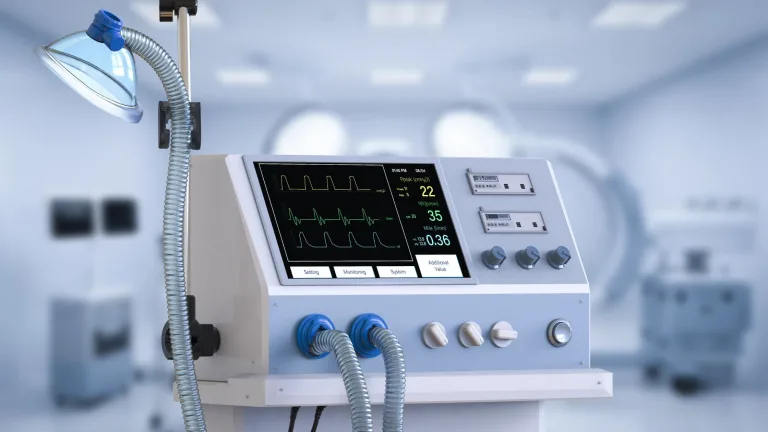
Ventilators & Respiratory Equipment
- Lithium batteries provide backup power for ventilators in hospitals and ambulances.
- In home healthcare, rechargeable lithium-ion batteries allow portable oxygen concentrators to operate for hours without needing an external power source.
Wearable & Home Healthcare Devices
Insulin Pumps
- Essential for diabetes management, insulin pumps rely on lithium batteries for continuous operation.
- Compact, rechargeable lithium-ion batteries make these devices more efficient and portable.
Blood Pressure Monitors & Glucose Meters
- These medical monitoring devices use lithium batteries for high accuracy and long-term reliability.
- Low self-discharge ensures that these devices remain powered even after long periods of non-use.
Hearing Aids & Smart Health Trackers
- Many modern hearing aids now use rechargeable lithium-ion batteries, reducing the need for disposable batteries.
- Smartwatches with health monitoring features (heart rate, ECG, SpO2) rely on lithium batteries for all-day performance.
3. Safety and Regulatory Considerations for Lithium Batteries in Medical Devices
While lithium batteries offer significant advantages, medical applications require strict safety standards to ensure reliability and patient safety.
Battery Management Systems (BMS)
- Medical devices use advanced BMS technology to monitor and control battery performance.
- BMS ensures overcharge, over-discharge, and temperature protection to prevent failures or hazards.
Compliance with Medical Standards
- Medical-grade lithium batteries must comply with strict industry regulations, including:
- ISO 13485 – Quality management for medical devices.
- IEC 62133 – Safety requirements for lithium batteries in medical applications.
- FDA & CE approvals – Required for implantable and wearable medical devices.
Reliability Testing for Critical Applications
- Before deployment in medical devices, lithium batteries undergo rigorous testing for:
- Temperature extremes.
- High-pressure environments (for implantable devices).
- Long-term durability and cycle life performance.
4. The Future of Lithium Batteries in Medical Devices
As technology advances, lithium battery innovations will continue to improve medical device performance, longevity, and patient safety. Here are some key developments to watch:
Solid-State Lithium Batteries
- Next-generation solid-state batteries will offer:
- Higher energy density for longer-lasting implantable devices.
- Improved safety by eliminating flammable liquid electrolytes.
Wireless Charging for Medical Implants
- Future implantable medical devices may use wireless charging technology powered by lithium batteries.
- This will eliminate the need for surgical battery replacements, reducing risks for patients.
Flexible & Miniaturized Batteries
- Research is advancing in ultra-thin, flexible lithium batteries for wearable medical devices.
- These innovations will allow for more compact, lightweight, and comfortable health monitoring solutions.
Sustainable & Biodegradable Battery Materials
- New developments in eco-friendly lithium battery alternatives will reduce environmental impact.
- Future lithium-based batteries may incorporate biodegradable components to improve sustainability.
5. Conclusion: Powering the Future of Medical Innovation
Lithium batteries have become an indispensable power source for medical devices, ensuring reliability, efficiency, and patient safety in life-saving applications. Their long lifespan, high energy density, and compact design make them ideal for implantable devices, portable medical equipment, and emergency healthcare solutions.
As battery technology continues to evolve, solid-state batteries, wireless charging, and flexible battery designs will further improve the performance and safety of medical devices. With these advancements, lithium battery technology will continue to play a critical role in modern healthcare, supporting better patient outcomes and enabling groundbreaking medical innovations.
Related Articles
- Lead-acid Batteries for Solar Energy Storage in Homes Using: a discussion with Maxworld Technologies
- Lithium-Ion Batteries for Efficient Power Storage in Microgrids
- Community Solar Projects: Leveraging Lithium Battery Storage
- Impact of Charging Protocols on Lithium Battery Cycle Life
- FAQ for Portable Power Stations
