
In recent years, lithium-ion (Li-ion) batteries have revolutionized the power tool industry, offering significant advantages over traditional NiCd (Nickel-Cadmium) and NiMH (Nickel-Metal Hydride) batteries. These advancements have led to longer-lasting, more efficient, and lightweight solutions for both professionals and DIY enthusiasts. This article will explore how Li-ion batteries are improving power tools, focusing on their performance benefits, extended lifespan, and increased efficiency.
1. Longer Battery Life and Higher Energy Density
One of the primary benefits of lithium-ion batteries is their higher energy density compared to older battery technologies. Energy density refers to the amount of power a battery can store in a given amount of space, and lithium-ion batteries excel in this area.
Key Benefits:
- Extended Usage Time: Lithium-ion batteries provide longer run times for tools like drills, saws, and impact drivers. With a higher charge retention compared to other battery types, users can expect to complete more tasks on a single charge, reducing downtime for recharging.
- More Compact Power: Li-ion batteries deliver more energy for the same size, meaning power tools can remain lightweight and easy to maneuver, without sacrificing performance. This is especially useful for handheld tools where weight can impact user comfort and fatigue.
- Efficiency: The high energy density allows power tools to operate at a constant output throughout the discharge cycle, resulting in better, more consistent performance.
2. Faster Charging Times
A significant drawback of older battery technologies, such as NiCd, is their slow recharge times. However, lithium-ion batteries charge much faster, reducing the amount of time you have to wait between uses.
Key Benefits:
- Quick Recharges: Many lithium-ion batteries can be fully recharged in just 30 to 60 minutes, depending on the charger and battery capacity. This is a major improvement over older technologies, which could take several hours to recharge.
- Minimized Downtime: The reduced charging time increases overall tool availability, ensuring your projects run smoothly without unnecessary interruptions.
3. Lightweight and Ergonomic Design
For users who frequently use power tools for extended periods, the weight of the tool can significantly affect comfort and ease of use. Lithium-ion batteries are much lighter than their counterparts, such as NiCd or NiMH.
Key Benefits:
- Reduced Tool Weight: A lighter battery means the tool itself is also lighter, reducing the strain on the user, especially for overhead or precision work. This is especially important for tools like cordless drills or rotary tools, which are often used for prolonged periods.
- Ergonomics: The compact and lightweight nature of lithium-ion batteries enhances the ergonomic design of the power tools, contributing to a better balance and less user fatigue. Professionals, as well as hobbyists, will appreciate the enhanced comfort.
4. Increased Durability and Longer Life Span
Another key advantage of lithium-ion batteries is their longer lifespan. Unlike NiCd batteries, which suffer from the memory effect (a condition where the battery loses capacity if not fully discharged before recharging), lithium-ion batteries are less prone to this issue.
Key Benefits:
- Longer Cycle Life: Lithium-ion batteries offer up to 2-3 times the cycle life of NiCd or NiMH batteries, meaning they can last much longer before needing to be replaced. This results in a more cost-effective solution for both personal and professional use.
- Resistant to Memory Effect: Since Li-ion batteries don’t suffer from the memory effect, users can recharge the battery at any time without worrying about reducing the battery’s capacity. This provides greater flexibility and convenience.
- Better Heat Tolerance: Li-ion batteries are less susceptible to damage from heat buildup, which is a common issue with older battery technologies. This increased durability means lithium-ion batteries perform better under demanding conditions, reducing the risk of battery failure in extreme temperatures.
5. Built-in Protection Features
Modern lithium-ion batteries are equipped with sophisticated battery management systems (BMS) that help ensure the battery’s safety, performance, and longevity.
Key Benefits:
- Overcharge and Over-discharge Protection: BMS systems prevent the battery from charging beyond a certain limit or discharging too deeply, both of which can damage the battery and reduce its lifespan.
- Thermal Management: Many Li-ion battery packs include overheating protection to ensure the tool remains safe during extended use, preventing issues like battery failure due to excessive temperatures.
- Short Circuit Protection: Built-in safety features also help protect the battery from short circuits, which could otherwise lead to fire or leakage.
6. Environmental Benefits
Lithium-ion batteries are generally more eco-friendly than older technologies such as NiCd, which contain hazardous materials like cadmium. While lithium-ion batteries still require proper disposal, their environmental impact is lower in comparison.
Key Benefits:
- No Cadmium: Unlike NiCd batteries, lithium-ion batteries don’t contain toxic metals like cadmium, making them safer for the environment during both use and disposal.
- Recyclable: Many manufacturers offer battery recycling programs, allowing users to return their old batteries for proper processing. This reduces the environmental footprint of spent batteries.
7. Compatibility with Modern Tools
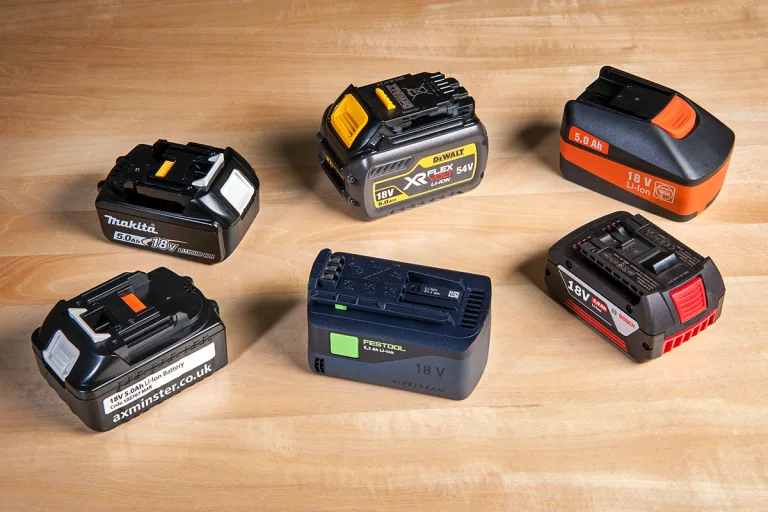
As the demand for more advanced and powerful tools continues to rise, manufacturers are adapting their power tools to leverage lithium-ion battery technology. More and more power tools are now available with interchangeable Li-ion battery systems.
Key Benefits:
- Cross-Compatibility: Many manufacturers now offer platform systems where one Li-ion battery can be used to power various tools, such as drills, saws, grinders, and more. This is especially useful for users who own multiple tools and want to reduce the number of batteries needed.
- Upgradable Systems: Lithium-ion battery technology continues to evolve, and newer higher-capacity batteries can be used in older tools as long as they are compatible, ensuring tools stay up-to-date with the latest power requirements.
Conclusion
Lithium-ion batteries have become the gold standard in power tools, offering advantages like longer battery life, faster charging, and improved safety features. Their lightweight design and high energy density make them an ideal choice for both professional contractors and DIY enthusiasts. With extended durability and the ability to power a wide range of tools, Li-ion batteries provide a more efficient, cost-effective, and environmentally friendly solution compared to older battery technologies.
As battery technology continues to advance, we can expect even more improvements in performance, making lithium-ion-powered power tools an increasingly reliable choice for years to come.
