
Living off the grid is about self-sufficiency, sustainability, and independence from traditional utility systems. Whether you’re building a remote cabin, powering a mobile home, or converting your residence to renewable energy, one of the most critical components of a successful off-grid setup is a reliable battery storage system. Among the available options, lithium-ion batteries have quickly become the go-to choice for off-grid enthusiasts—and for good reason.
This complete guide explores how lithium-ion batteries support off-grid living, their advantages over other battery technologies, important system design considerations, and practical tips for setup and maintenance.
Why Energy Storage Is Essential for Off-Grid Living
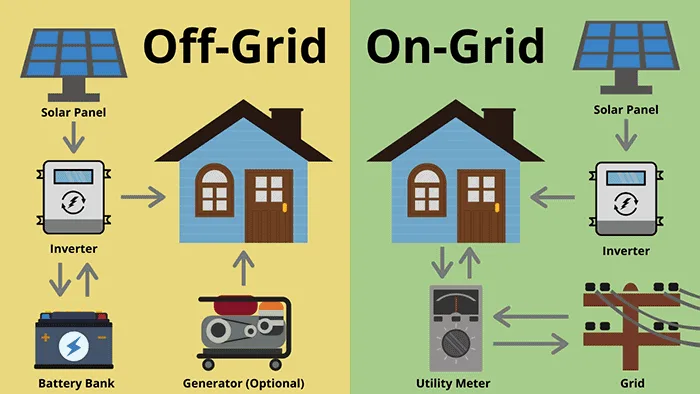
In an off-grid energy system—typically powered by solar panels, wind turbines, or micro-hydro generators—there’s no connection to a central grid. Because energy production from renewables is intermittent and doesn’t always align with consumption patterns, energy storage becomes essential.
A well-designed battery system allows you to:
- Store excess power generated during the day.
- Use energy at night or during cloudy/windless days.
- Ensure a consistent supply of electricity for essential loads.
What Are Lithium-Ion Batteries?
Lithium-ion batteries are rechargeable energy storage devices that use lithium-based chemistry to store and release electrical energy. Unlike traditional lead-acid batteries, lithium-ion cells have a high energy density, allowing them to store more power in a smaller footprint.
Common lithium-ion chemistries for off-grid systems include:
- Lithium Iron Phosphate (LiFePO₄) – Known for thermal stability, long cycle life, and safety.
- Nickel Manganese Cobalt (NMC) – Offers a balance of performance and capacity, often used in mobile systems.
Advantages of Lithium-Ion Batteries for Off-Grid Living
- Long Cycle Life
Lithium-ion batteries typically last for 3,000–10,000+ charge/discharge cycles, significantly more than lead-acid alternatives.
- Lifespan: Up to 10–15 years with proper use.
- Fewer replacements: Lower total cost over time.
- High Depth of Discharge (DoD)
Lithium batteries can be safely discharged to 80–100% of their capacity without damage, compared to only 50% for lead-acid.
- More usable energy: A 10 kWh lithium battery offers up to 9 kWh of usable energy.
- Smaller battery bank needed: You can achieve the same energy output with fewer batteries.
- Fast Charging and High Efficiency
Lithium-ion systems charge more quickly and offer 90–95% round-trip efficiency, meaning less energy is wasted during charging and discharging.
- Quicker recovery: Ideal for variable solar input.
- Better solar utilization: Maximizes return on your renewable investment.
- Lightweight and Compact
Lithium batteries are significantly lighter and smaller than their lead-acid counterparts.
- Space-saving: Easier to fit in cabins, RVs, or mobile setups.
- Portable: Better suited for mobile homes and tiny houses.
- Minimal Maintenance
Unlike flooded lead-acid batteries, lithium-ion batteries are maintenance-free.
- No watering required
- No off-gassing or venting
- Less risk of corrosion
- Built-in Battery Management System (BMS)
Most lithium-ion batteries include a BMS that monitors voltage, temperature, and current to optimize performance and enhance safety.
- Prevents overcharging and deep discharging
- Increases longevity and reliability
System Design Considerations
- Determine Your Power Needs
Start by calculating your daily energy consumption. List your appliances and their wattage, and estimate how many hours per day each is used.
Example:
Appliance | Power (W) | Hours/Day | Daily Use (Wh) |
Lights (LED) | 60 | 5 | 300 |
Refrigerator | 150 | 24 | 3600 |
Laptop | 65 | 4 | 260 |
Total | — | — | 4160 Wh/day |
If your system must supply 4.1 kWh/day, you’ll need a battery bank capable of storing at least 6–8 kWh, factoring in reserve capacity.
- Solar Panel Compatibility
Ensure your battery system integrates seamlessly with your solar array and charge controller. Many lithium-ion batteries are compatible with MPPT controllers and hybrid inverters.
- Match voltage and capacity: Ensure system components are properly sized.
- Allow for future expansion: Choose scalable battery solutions if you plan to grow your system.
- Inverter Selection
Lithium-ion batteries pair well with modern hybrid inverters, which allow you to manage charging from multiple sources and switch seamlessly between solar, battery, and generator power.
Popular Use Cases
- Remote Cabins and Tiny Homes
Lithium batteries support small, off-grid residences with limited space but critical energy needs.
- Silent, clean operation
- Low maintenance—ideal for seasonal use
- RVs, Vans, and Mobile Homes
Mobility and weight are key factors in mobile applications. Lithium-ion batteries excel in this setting due to their light weight and durability.
- Charge from alternator or solar
- Withstand vibration and movement
- Homesteads and Off-Grid Farms
Larger lithium battery banks can meet the needs of households with higher demand or productive energy use (e.g., water pumps, electric fences, freezers).
Challenges and Considerations
- Higher Upfront Cost
Lithium-ion batteries are more expensive than lead-acid upfront, although they often pay for themselves over time through longer lifespan and better efficiency.
- Temperature Sensitivity
Lithium batteries perform best between 0°C and 40°C. Below-freezing temperatures can impact charging unless the battery has internal heating or is kept in a climate-controlled space.
- Proper Sizing Matters
Oversizing your battery bank increases cost, while undersizing leads to poor performance. Consult with a system designer or use an online calculator to get it right.
- Disposal and Recycling
While lithium batteries are recyclable, proper disposal is essential to prevent environmental harm. Choose brands that support take-back or recycling programs.
Installation and Safety Tips
- Choose a well-ventilated, dry location out of direct sunlight and away from flammable materials.
- Secure batteries to avoid movement or impact in mobile settings.
- Use surge protection and fusing on all major connections.
- Follow manufacturer guidelines for charging voltage, current limits, and ambient conditions.
Conclusion
For those embracing off-grid living, lithium-ion batteries offer a powerful, efficient, and low-maintenance energy storage solution. Their long life, deep discharge capability, and space-saving design make them an ideal match for modern renewable systems—whether you’re running a remote cabin, a mobile van, or a full-time homestead.
While the initial investment may be higher, the performance, reliability, and long-term savings offered by lithium-ion batteries make them a smart choice for anyone serious about off-grid independence. With the right setup, these batteries can be the backbone of a self-sufficient lifestyle powered entirely by nature.
