
In the medical field, the reliability and performance of power sources are crucial, especially when it comes to life-saving medical devices. From pacemakers and insulin pumps to portable ventilators and infusion pumps, medical devices are increasingly powered by lithium batteries due to their high energy density, long cycle life, and lightweight design. The use of lithium-ion (Li-ion) and lithium polymer (LiPo) batteries has revolutionized how medical equipment operates, ensuring that patients receive consistent and uninterrupted care. In this article, we explore the importance of lithium batteries in medical devices, their benefits, and how they ensure reliable power for critical healthcare applications.
1. Why Lithium Batteries Are Ideal for Medical Devices
- High Energy Density and Small Form Factor
Lithium batteries are renowned for their high energy density, which means they can store a large amount of power in a small and lightweight package. This is particularly important for portable medical devices, where size and weight limitations are often critical. Medical professionals require devices that are not only effective but also easy to carry and use in a variety of settings, such as in ambulances, hospitals, or patient homes.
- Compact Design: Lithium batteries allow for smaller, lighter devices without compromising on power or performance.
- Longer Battery Life: Due to their high energy density, lithium batteries can power medical devices for longer periods, reducing the need for frequent recharging or battery replacements.
- Long Cycle Life and Reliability
Medical devices, especially those used in chronic care or long-term treatment, must have a long battery life to ensure consistent and reliable performance. Lithium batteries offer a much longer cycle life than traditional battery technologies, such as nickel-cadmium (NiCd) or alkaline batteries, providing up to 2,000–3,000 charge cycles compared to 500–1,000 cycles for other battery types.
- Extended Lifespan: Lithium batteries can last for several years, ensuring reliability and reducing the need for frequent battery changes.
- Minimal Maintenance: With fewer charging cycles required and a longer operational life, lithium batteries reduce the need for constant maintenance or replacement, leading to better overall device reliability.
- Faster Charging Time
In critical healthcare applications, time is of the essence. Lithium batteries charge much faster than traditional batteries, ensuring that medical devices are ready for use when needed. This quick charging feature is particularly beneficial for emergency and mobile medical devices, such as portable defibrillators, which need to be charged rapidly between uses.
- Quick Recharge: Lithium batteries can be recharged in a fraction of the time it takes for other battery types, making them ideal for devices requiring rapid turnaround.
2. Applications of Lithium Batteries in Medical Devices
- Implantable Medical Devices
Implantable medical devices, such as pacemakers, defibrillators, and neurostimulators, are often powered by small lithium batteries. These devices must operate reliably for years, sometimes even decades, without replacement. Lithium batteries, particularly lithium-manganese dioxide (Li-MnO2) types, are commonly used in these applications due to their long-lasting power, safety, and small size.
- Pacemakers and Defibrillators: Lithium batteries provide reliable power for heart devices, ensuring that they can continuously monitor and regulate the heart’s rhythm for years without needing replacement.
- Neurostimulators: Devices that manage chronic pain or movement disorders (such as Parkinson’s) rely on lithium batteries for consistent power to stimulate the brain over long periods.
- Portable and Wearable Medical Devices
Lithium batteries are extensively used in portable and wearable medical devices, such as insulin pumps, hearing aids, and oxygen concentrators. These devices are worn by patients or carried with them, so having a lightweight, reliable, and powerful battery is essential. Lithium batteries provide the necessary power density to ensure that devices remain functional throughout the day while being lightweight and unobtrusive.
- Insulin Pumps: These wearable devices help diabetic patients by delivering insulin automatically. Lithium batteries ensure consistent power delivery for continuous operation.
- Hearing Aids: Compact lithium batteries enable small and efficient power solutions for hearing aids, ensuring longer use with quick recharge times.
- Diagnostic Equipment
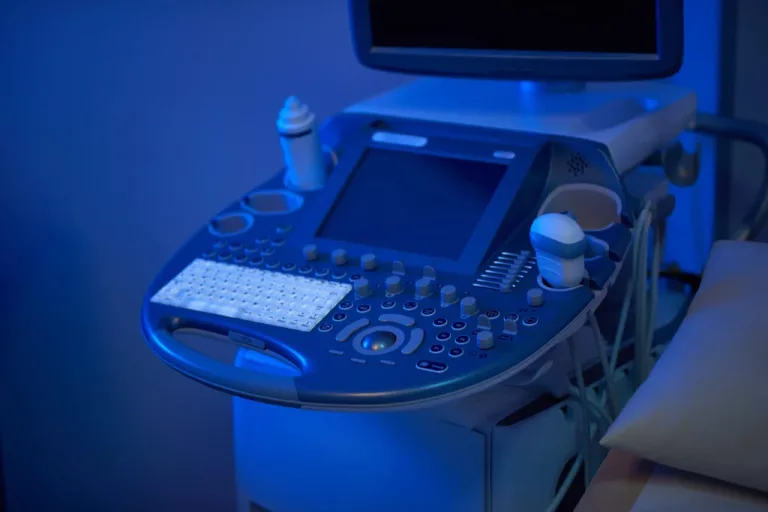
Portable diagnostic tools, such as ultrasound machines, ECG monitors, and blood glucose monitors, also benefit from the use of lithium batteries. These devices are often used in emergency settings, medical clinics, or even at home for regular monitoring. The high energy output and long-lasting charge of lithium batteries ensure that these diagnostic tools function effectively when needed most.
- Portable Ultrasound Machines: Lithium-ion batteries ensure reliable, long-lasting power for portable ultrasound units, offering convenience in field operations.
- ECG and Blood Glucose Monitors: Compact lithium batteries are ideal for ensuring these diagnostic devices work consistently for at-home monitoring and emergency use.
3. Safety Features of Lithium Batteries in Medical Devices
- Overcharge and Over-discharge Protection
Lithium batteries used in medical devices are equipped with Battery Management Systems (BMS), which monitor and control the charging and discharging processes to prevent overcharging or over-discharging. These safety mechanisms are crucial in ensuring that the battery operates within safe parameters and does not fail due to excessive charge or discharge.
- BMS Integration: The BMS prevents overcharging and over-discharging, both of which could shorten the battery’s life or cause thermal issues.
- Voltage Regulation: Ensures the battery maintains a consistent voltage to the medical device, optimizing its performance and safety.
- Thermal Protection
Lithium batteries are designed to manage thermal stress efficiently. In medical devices where safety is paramount, lithium batteries incorporate mechanisms to prevent overheating and to dissipate heat generated during charging or discharging. Some advanced lithium batteries are even equipped with thermal sensors that shut down the system if the temperature exceeds a safe limit.
- Thermal Runaway Prevention: The design of modern lithium batteries includes safety features that prevent thermal runaway, a condition that can lead to fires or explosions if the battery overheats.
- Durability and Safety Standards
Medical devices powered by lithium batteries adhere to stringent regulatory standards and safety certifications to ensure that the power source meets the highest levels of reliability and safety. Compliance with standards such as ISO 13485 for medical devices, as well as safety protocols for lithium battery manufacturing (e.g., UN38.3, IEC 62133), is critical to ensure that these batteries are safe for use in healthcare environments.
- Safety Certifications: Lithium batteries for medical applications must pass rigorous tests and certifications to ensure they are safe, reliable, and efficient.
4. Future Trends in Lithium Batteries for Medical Devices
The evolution of lithium battery technology is ongoing, and future advancements will likely bring even more reliable, efficient, and safe solutions for medical devices. Innovations in solid-state batteries, energy density, charging speed, and battery longevity will make lithium batteries even more suitable for a broader range of medical applications.
- Solid-State Batteries: Solid-state batteries promise even higher energy densities and greater safety profiles, making them ideal for implantable and wearable devices.
- Improved Longevity: With better thermal management and enhanced battery chemistry, future lithium batteries will offer even longer lifespans, ensuring extended operation without replacement.
5. Conclusion
Lithium batteries have become an integral part of modern medical devices, powering everything from implantable devices to portable diagnostic tools. Their high energy density, long cycle life, lightweight design, and rapid charging capabilities make them the ideal choice for life-saving applications in healthcare. As lithium battery technology continues to evolve, we can expect even greater performance, reliability, and safety for medical devices, ensuring that they continue to meet the growing demands of healthcare professionals and patients alike.
Related Articles
- What are Lithium Iron Phosphate Batteries’ (LiFePO4) Advantages?
- Battery Management Systems for Lithium-Ion Batteries
- Are solar lithium batteries truly regarded as the best energy storage option by the general public?
- Diverse options for energy storage in various vehicles
- How Lithium-Ion Batteries Are Powering Electric Vehicles
