
The electric vehicle (EV) market has witnessed a remarkable rise over the past decade, driven by the increasing demand for clean energy and sustainable transportation. At the heart of this transformation are lithium-ion (Li-ion) batteries, which have revolutionized the way electric vehicles are charged, powered, and utilized. Lithium-ion batteries are the driving force behind the rapid adoption of EVs, as they offer several advantages over traditional internal combustion engine vehicles and older battery technologies.
This article explores how lithium-ion batteries are shaping the future of electric vehicle charging, including their advantages, the challenges they address, and how they are influencing the infrastructure needed to support EVs.
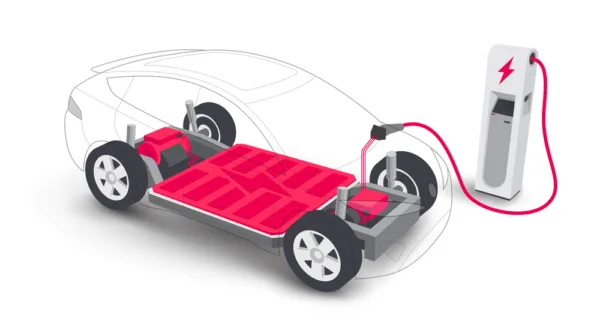
1. The Role of Lithium-Ion Batteries in Electric Vehicles
- a) High Energy Density
One of the primary reasons why lithium-ion batteries have become the go-to choice for electric vehicles is their high energy density. This means that lithium-ion batteries can store a significant amount of energy in a small, lightweight package, enabling EVs to travel longer distances between charges.
Traditional lead-acid batteries, which were used in earlier electric vehicle prototypes, offered much lower energy densities and were heavy, bulky, and inefficient. Lithium-ion batteries, on the other hand, provide a far better balance between weight, energy storage, and power output, which is crucial for long-range driving and quick acceleration.
For example, lithium-ion batteries power modern EVs like the Tesla Model S, which can travel over 370 miles on a single charge. This capability makes EVs more viable for everyday use and long-distance travel, eliminating “range anxiety” for many consumers.
- b) Faster Charging Times
Another key advantage of lithium-ion batteries is their faster charging times compared to older battery technologies. While the time required to charge a lithium-ion battery depends on the charging method and the size of the battery, advancements in fast-charging technology have significantly reduced charging times.
Many lithium-ion-powered electric vehicles can be charged in 30 minutes to an hour using fast-charging stations, compared to several hours needed for conventional lead-acid battery-based systems. This is a game-changer for EV owners, especially in public charging scenarios, where speed and convenience are essential.
- c) Longer Battery Life and Reduced Maintenance
Lithium-ion batteries are known for their long cycle life, typically lasting between 8 to 15 years depending on usage patterns. This longevity is one of the main reasons lithium-ion batteries are preferred for electric vehicles. Their resilience to charge-discharge cycles ensures that EV owners don’t need to replace the battery frequently, unlike traditional lead-acid batteries that require more regular maintenance and replacement.
Furthermore, lithium-ion batteries require much less maintenance than older battery types. Lead-acid batteries, for example, need regular checks for electrolyte levels and can suffer from performance degradation due to sulfation (build-up of lead sulfate crystals), which doesn’t occur in lithium-ion batteries.
2. How Lithium-Ion Batteries Are Revolutionizing EV Charging Infrastructure
- a) Network of Charging Stations
The development of an efficient and accessible EV charging infrastructure is essential to support the growing number of electric vehicles on the road. Lithium-ion batteries, due to their fast-charging capabilities, are enabling the expansion of public charging stations that can quickly recharge vehicles.
Level 3 DC fast chargers—which are commonly used in commercial settings—are based on high-power lithium-ion batteries and are capable of delivering significant amounts of power to an EV in a short period. This allows drivers to recharge their vehicles quickly, making electric vehicles more convenient for long trips and daily use.
Charging stations are increasingly being installed in shopping centers, highway rest stops, and urban areas, with the goal of creating a comprehensive charging network. With lithium-ion batteries as the backbone of the technology, these stations can provide faster, more reliable charging to meet the needs of EV drivers.
- b) Home Charging Solutions
Lithium-ion batteries are also playing a key role in home charging solutions. Many EV owners prefer the convenience of charging their vehicles overnight at home, and Level 2 home chargers, which use lithium-ion technology, have become common. These chargers allow users to top off their EV batteries while they sleep, ensuring they are ready for use the next day.
Moreover, the integration of home energy storage systems with solar panels and lithium-ion batteries enables solar-powered EV charging. Homeowners can store excess solar energy generated during the day in a lithium-ion battery and use it to charge their EVs at night, reducing their dependence on the grid and further lowering energy costs.
- c) Smart Charging and Vehicle-to-Grid (V2G) Technology
Advancements in smart charging are also transforming how electric vehicles are charged. Lithium-ion batteries enable smart charging technologies, which allow users to schedule charging times based on off-peak electricity rates. This helps to reduce the strain on the grid during peak demand periods and allows for more cost-efficient charging.
Additionally, Vehicle-to-Grid (V2G) technology, which allows EVs to not only draw power from the grid but also feed power back into it, is made possible by lithium-ion batteries. This innovation has the potential to turn EVs into mobile energy storage units, helping stabilize the grid and integrate more renewable energy sources.
3. The Future of Lithium-Ion Batteries in Electric Vehicle Charging
- a) Improving Battery Technology
As the demand for electric vehicles continues to rise, there is a constant push for improvements in battery technology to further enhance the performance of lithium-ion batteries. The focus is on increasing energy density, reducing charging times, and extending battery lifespan.
Researchers are exploring new anode and cathode materials, such as silicon-based anodes and solid-state electrolytes, to improve the energy density of lithium-ion batteries while also making them safer and more environmentally friendly. These innovations could lead to batteries that are lighter, cheaper, and able to deliver more power with less weight, further driving the adoption of EVs.
- b) Recycling and Sustainability
Battery recycling will become an even more critical component of the EV industry as the number of lithium-ion batteries in use continues to grow. Currently, lithium-ion batteries can be recycled to recover valuable materials like lithium, cobalt, and nickel, which can be reused in new batteries.
Developing more efficient recycling processes and building a circular economy around lithium-ion battery production and disposal is key to reducing the environmental impact of EV battery use. Companies are increasingly focusing on the sustainability of the battery lifecycle, from material sourcing to recycling.
4. Challenges and Considerations
- a) Cost of Lithium-Ion Batteries
Although lithium-ion batteries offer numerous benefits, their initial cost remains a significant barrier for many consumers. The high cost of raw materials, like lithium, cobalt, and nickel, contributes to the overall expense of EVs. However, as battery technology improves and economies of scale come into play, the cost of lithium-ion batteries is expected to decrease, making electric vehicles more affordable for a wider range of consumers.
- b) Charging Infrastructure Development
While the number of charging stations is growing, there are still concerns about the uneven distribution of charging stations across regions. Urban areas tend to have better access to charging infrastructure, while rural or remote areas still face challenges in terms of availability. Ensuring universal access to charging stations, especially in underserved areas, is crucial for the widespread adoption of electric vehicles.
5. Conclusion
Lithium-ion batteries have undoubtedly transformed the landscape of electric vehicle charging, offering faster charging times, longer range, and greater efficiency compared to traditional battery technologies. They are driving the widespread adoption of electric vehicles by providing consumers with the power, convenience, and reliability they need to make the switch from gasoline-powered cars to clean, electric alternatives.
With ongoing advancements in battery technology, smart charging infrastructure, and recycling efforts, lithium-ion batteries are well-positioned to play a critical role in the future of sustainable transportation. As the world continues to shift towards renewable energy and eco-friendly mobility, lithium-ion batteries will remain at the heart of the electric vehicle revolution, powering the next generation of clean, efficient, and reliable transportation.
Related Articles
- Utilizing Lithium Batteries for Efficient Grid Energy Storage
- Ultimate Guide to Lithium Polymer Battery Safety Standards in Wearable Technology
- Lithium-Ion Batteries in Telecom Tower Backup: Revolutionizing Reliability
- Future Trends in Lithium Battery Research and Development
- Everything You Need to Know About Lithium Batteries in Cold Weather
