
The world is rapidly shifting toward sustainable energy solutions, and at the heart of this transformation is the electric vehicle (EV). As we move away from fossil fuel dependence and toward cleaner alternatives, lithium-ion (Li-ion) batteries have emerged as the powerhouse driving this change. These batteries are the cornerstone of modern electric vehicles, enabling them to deliver impressive ranges, fast charging, and long-lasting performance.
In this article, we’ll explore how lithium-ion batteries are revolutionizing the electric vehicle industry, why they’re the preferred choice for EVs, and what challenges remain as we move towards a greener, more electrified future.
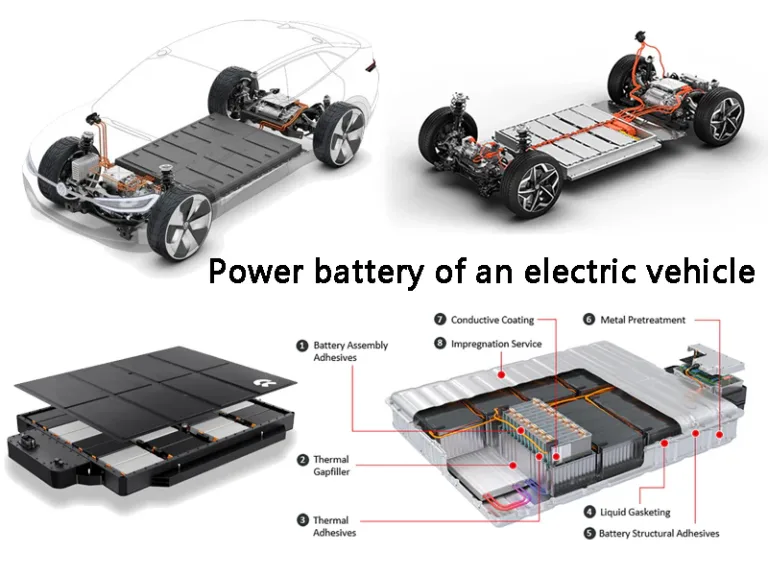
1. Why Lithium-Ion Batteries for Electric Vehicles?
- Energy Density
One of the most significant reasons lithium-ion batteries are used in electric vehicles is their high energy density. Energy density refers to the amount of energy a battery can store per unit of volume or weight. Lithium-ion batteries can pack more energy into a smaller, lighter space compared to other battery types, such as nickel-metal hydride (NiMH) or lead-acid batteries. This is essential for EVs, as it allows manufacturers to achieve the range and performance that consumers demand without adding excessive weight.
Higher energy density means that lithium-ion batteries can store more energy and provide a longer driving range on a single charge, which is one of the most crucial factors for electric vehicle buyers. Today’s EVs are capable of driving anywhere from 150 to over 350 miles on a single charge, thanks to the advances in lithium-ion battery technology.
- Longer Lifespan
Lithium-ion batteries are known for their long lifespan compared to other battery technologies. Typically, they last between 8-15 years or about 1,000 to 3,000 charge cycles, depending on usage and environmental factors. This long lifespan makes them an attractive option for electric vehicles, which require batteries that can withstand frequent charging and discharging over many years without significant degradation.
Other types of batteries, such as lead-acid or nickel-metal hydride, tend to have shorter lifespans, requiring more frequent replacements. The longevity of lithium-ion batteries means fewer replacements and lower overall costs for EV owners.
- Faster Charging
Another advantage of lithium-ion batteries is their ability to charge faster than other battery types. With the rise of fast-charging infrastructure, many lithium-ion-powered EVs can be charged up to 80% in 30 minutes at fast-charging stations. This is a huge leap forward compared to older electric vehicle batteries that could take hours to recharge fully.
Fast charging not only improves the convenience of EVs but also makes long trips more feasible, as drivers can quickly top off their batteries at charging stations.
- Lightweight and Compact
In addition to having a high energy density, lithium-ion batteries are lightweight and compact, making them ideal for electric vehicles where space and weight are important factors. Compared to other battery technologies, lithium-ion cells can pack more power into a smaller, lighter package, which helps manufacturers design more aerodynamic, efficient, and high-performance EVs.
- Environmental Benefits
Lithium-ion batteries also play a significant role in reducing the environmental impact of transportation. Electric vehicles powered by lithium-ion batteries produce zero emissions at the tailpipe, which helps cut down on greenhouse gas emissions and air pollution.
Furthermore, advancements in recycling technology for lithium-ion batteries are improving their sustainability. Many manufacturers are working on ways to recover and reuse the materials in used lithium-ion batteries, which reduces the overall environmental footprint of EV production.
2. How Lithium-Ion Batteries Work in Electric Vehicles
- Basic Components of a Lithium-Ion Battery
To understand how lithium-ion batteries power electric vehicles, it’s important to first grasp how the battery itself works. The basic components of a lithium-ion battery include:
- Anode: Typically made of graphite, the anode stores lithium ions when the battery is charged.
- Cathode: Made of metal oxide, the cathode is where the lithium ions flow when the battery discharges.
- Electrolyte: A liquid or gel that facilitates the movement of lithium ions between the anode and cathode during the charge and discharge process.
- Separator: A permeable layer that prevents direct contact between the anode and cathode while allowing the passage of ions.
During charging, lithium ions move from the cathode to the anode through the electrolyte, storing energy. When discharging (during use), the ions move back to the cathode, releasing energy in the form of electricity to power the vehicle.
- Powering the Electric Motor
In an electric vehicle, the lithium-ion battery supplies power to the electric motor. The motor converts electrical energy into mechanical energy, which drives the vehicle’s wheels. The battery management system (BMS) regulates the charging and discharging processes to ensure optimal performance, longevity, and safety of the battery.
The power output of the battery determines the performance of the EV, such as acceleration and top speed. High-performance EVs may use batteries with higher power output, while standard consumer EVs use batteries that offer a balance of energy density and cost-effectiveness.
- Regenerative Braking
Many electric vehicles also feature regenerative braking, a system that recovers energy during braking and stores it back into the lithium-ion battery. When the driver applies the brakes, the electric motor operates in reverse, converting the kinetic energy of the vehicle into electrical energy, which is then stored in the battery for future use. This feature helps to increase the vehicle’s overall energy efficiency and extends driving range.
3. Advantages of Lithium-Ion Batteries in EVs
- Improved Performance and Range
Lithium-ion batteries provide the power and range needed to meet consumer demands for electric vehicles that can go long distances on a single charge. The high energy density and fast discharge rates allow for smooth, powerful acceleration, which is essential for a positive driving experience.
- Efficiency and Cost Savings
In the long term, lithium-ion batteries help EVs achieve greater efficiency compared to conventional gas-powered vehicles. Since electric vehicles have fewer moving parts and don’t rely on combustion engines, they are more energy-efficient. Additionally, although the initial cost of EVs with lithium-ion batteries can be higher, owners save on fuel and maintenance costs over time.
- Scalability and Versatility
Lithium-ion battery technology is highly scalable, meaning manufacturers can design battery packs that fit the needs of different types of electric vehicles, from small city cars to heavy-duty trucks. With advancements in battery chemistry and management systems, lithium-ion batteries can be customized for a wide range of EV applications, providing versatility in both consumer and commercial vehicles.
4. Challenges and the Future of Lithium-Ion Batteries in EVs
- Cost and Availability of Raw Materials
Despite their many benefits, the high cost of lithium-ion batteries remains one of the biggest challenges in the electric vehicle industry. The cost of lithium, cobalt, and other essential materials can drive up the price of EVs. However, prices have been steadily decreasing as battery production scales up and new technologies (like solid-state batteries) are developed.
- Battery Recycling and Environmental Impact
As more electric vehicles hit the roads, the need for sustainable battery recycling becomes critical. While lithium-ion batteries are recyclable, the processes for extracting valuable materials like lithium, cobalt, and nickel are complex and costly. The EV industry is investing in recycling infrastructure to make the process more efficient and environmentally friendly.
- Charging Infrastructure
To support the widespread adoption of electric vehicles, an extensive charging infrastructure is needed. While the number of charging stations is growing, fast-charging networks are still limited in some regions, and home charging setups may not be accessible to everyone. Continued investment in charging stations and improvements in charging speed will be essential to supporting the growth of electric vehicles.
- Advances in Battery Technology
The future of electric vehicles relies heavily on continued advancements in battery technology. Solid-state batteries, lithium-sulfur batteries, and other next-generation technologies promise to deliver even higher energy densities, longer lifespans, and faster charging times, further enhancing the performance of electric vehicles.
5. Conclusion
Lithium-ion batteries have emerged as the power source of choice for electric vehicles, offering unmatched energy density, longer lifespans, and fast-charging capabilities. As the world moves toward more sustainable transportation options, these batteries will continue to play a key role in the growth of the electric vehicle market. While challenges like cost, raw material availability, and charging infrastructure remain, advancements in battery technology and recycling methods will help address these issues, making EVs more accessible, efficient, and environmentally friendly. As the world transitions to a greener future, lithium-ion batteries will continue to power the next generation of electric vehicles—driving us toward a more sustainable and electrified world.
