
In the modern world, consumer electronics are a significant part of our daily lives. From smartphones and laptops to wearables and tablets, these devices have become essential for communication, work, entertainment, and health monitoring. At the heart of these innovations lies a powerful energy source: lithium-ion (Li-ion) batteries. Over the past few decades, lithium-ion batteries have revolutionized the way electronics are designed and used, thanks to their unique advantages in terms of energy density, charging efficiency, and overall performance.
This article will explore how lithium-ion batteries are enhancing consumer electronics, focusing on their role in improving performance, portability, and user experience across a wide range of devices.
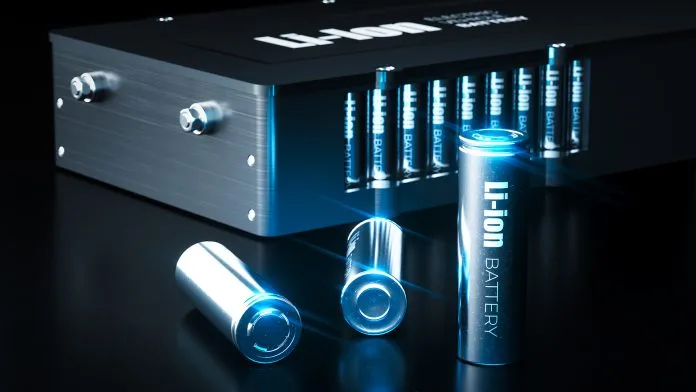
What Makes Lithium-Ion Batteries Ideal for Consumer Electronics?
Lithium-ion batteries are rechargeable power sources that utilize lithium compounds to store energy. Their key features and advantages have made them the dominant choice for consumer electronics:
- High Energy Density: Li-ion batteries have a high energy density, meaning they can store more energy in a smaller volume or weight compared to other battery types. This allows devices to run longer without increasing their size.
- Lightweight: Lithium-ion batteries are relatively light, making them ideal for portable electronics. A smaller and lighter battery helps reduce the overall weight of the device, enhancing user experience.
- Long Cycle Life: Li-ion batteries can endure more charge-discharge cycles than many traditional batteries, providing a longer lifespan and greater value for consumers.
- Low Self-Discharge Rate: Li-ion batteries tend to lose charge at a much slower rate when not in use, making them more efficient in devices that are not constantly turned on or charging.
- Fast Charging: Lithium-ion batteries support faster charging, reducing downtime and keeping devices ready for use quickly.
Key Benefits of Lithium-Ion Batteries in Consumer Electronics
- Longer Battery Life for Portable Devices
One of the primary advantages of lithium-ion batteries is the ability to store more energy in a smaller space, enabling devices to run longer without requiring frequent recharging.
- Smartphones: With the increasing number of features and apps running on modern smartphones, long battery life is essential for maintaining usability throughout the day. Lithium-ion batteries have made it possible for smartphones to power high-performance processors, large screens, and multiple sensors without excessive weight or bulk.
- Laptops and Tablets: As laptops and tablets evolve to handle more complex tasks, battery life has become a crucial factor. Lithium-ion batteries offer the capacity to power energy-intensive applications while keeping devices lightweight and portable.
- Enhanced Portability in Wearable Devices
The demand for wearable technology such as smartwatches, fitness trackers, and health-monitoring devices has surged in recent years. For these compact devices, lithium-ion batteries are an ideal solution, offering:
- High energy density for long-lasting power despite their small size.
- Lightweight for comfortable wearability.
- Rapid recharge times, which minimizes downtime for users.
These batteries allow wearables to maintain compact form factors without compromising performance, ensuring that devices can operate efficiently for extended periods.
- Better Power for High-Performance Devices
Modern consumer electronics, like gaming laptops, VR headsets, and high-definition cameras, require significant power to function optimally. Lithium-ion batteries are essential in providing the required power for such high-performance applications.
- Gaming Laptops: Gaming laptops, with their demanding graphics and processing power, need batteries that can support high energy demands without draining too quickly. Lithium-ion batteries provide the necessary power density and long battery life to keep gaming sessions uninterrupted.
- VR and AR Devices: Virtual reality and augmented reality devices are increasingly being used for entertainment, education, and training. Lithium-ion batteries help deliver high power output without the bulk, allowing for uninterrupted and immersive experiences.
- Faster Charging Times
With consumers demanding quicker turnarounds for charging, lithium-ion batteries stand out because of their ability to recharge much faster than other types, such as nickel-cadmium (NiCd) or nickel-metal hydride (NiMH) batteries.
- Fast Charging Phones and Laptops: Lithium-ion batteries support fast charging technologies (like Quick Charge and USB Power Delivery) that enable devices to recharge in a fraction of the time it would take traditional batteries.
- Wireless Charging: Many modern devices, such as smartphones, support wireless charging using lithium-ion technology, adding another layer of convenience for users looking to charge their devices without dealing with cables.
- Small Footprint for Sleek Designs
As consumer electronics continue to become sleeker and more compact, lithium-ion batteries are essential for enabling thin and lightweight designs. Devices such as smartphones, tablets, and laptops benefit from the ability of lithium-ion batteries to fit into smaller spaces while providing powerful performance.
- Slimmer Devices: Whether it’s a foldable smartphone, a sleek laptop, or a lightweight tablet, lithium-ion batteries provide the space-saving capabilities necessary for thinner, more stylish consumer electronics.
- Reduced Environmental Impact
Lithium-ion batteries are also more environmentally friendly compared to older battery technologies. Though still requiring careful disposal and recycling, they have a lower impact when compared to lead-acid or nickel-based batteries, which contain toxic materials. Over time, the increased adoption of recycling programs for lithium-ion batteries is improving their environmental footprint.
Challenges of Lithium-Ion Batteries in Consumer Electronics
While lithium-ion batteries have transformed consumer electronics, there are a few challenges to consider:
- Cost
Lithium-ion batteries are more expensive to manufacture compared to older battery technologies. This can result in higher upfront costs for devices, although the price difference has been steadily decreasing as manufacturing processes improve.
- Safety Concerns
Lithium-ion batteries, while generally safe, can pose safety risks if damaged, overcharged, or improperly disposed of. Thermal runaway can occur in rare instances, leading to fire hazards. However, many modern devices come equipped with sophisticated Battery Management Systems (BMS) to monitor temperature and voltage, improving safety.
- Limited Lifespan
Lithium-ion batteries eventually degrade over time, leading to reduced performance and shorter battery life. While they typically last for 2 to 3 years of regular use, performance may degrade after 300 to 500 charge cycles, depending on usage patterns. Battery replacement or optimization is often necessary after several years of usage.
Conclusion: A Vital Part of Consumer Electronics’ Future
Lithium-ion batteries have become the backbone of modern consumer electronics, enabling devices to become more powerful, portable, and efficient. They provide significant improvements in battery life, charging speed, and design flexibility, enhancing the user experience across a wide range of electronics. From everyday gadgets like smartphones and wearables to more advanced devices like gaming laptops and VR headsets, lithium-ion batteries continue to shape the future of the consumer electronics industry.
As technology advances and new innovations emerge, lithium-ion batteries will likely remain at the forefront of energy storage solutions for consumer electronics, evolving alongside cutting-edge advancements in power efficiency, sustainability, and charging technologies.
