
The electric bike (e-bike) revolution is well underway, transforming how people commute, exercise, and explore. At the heart of this transformation lies a critical component: the lithium-ion battery. With their lightweight design, high energy density, and long cycle life, lithium-ion batteries are reshaping the performance, accessibility, and appeal of electric bikes around the world.
In this article, we’ll explore the impact of lithium-ion battery technology on the e-bike industry, highlighting its advantages over older battery types, its role in expanding market adoption, and what it means for the future of personal mobility.
The Rise of Lithium-Ion in E-Bikes
Electric bikes have existed for decades, but it wasn’t until the adoption of lithium-ion batteries that they became truly practical and desirable for everyday use. Early e-bikes often relied on lead-acid or nickel-based batteries, which were heavy, bulky, and limited in range. Lithium-ion changed the game by delivering more power in a smaller, lighter package, enabling sleeker designs and improved performance.
Today, most modern e-bikes are powered by lithium-ion batteries—and for good reason.
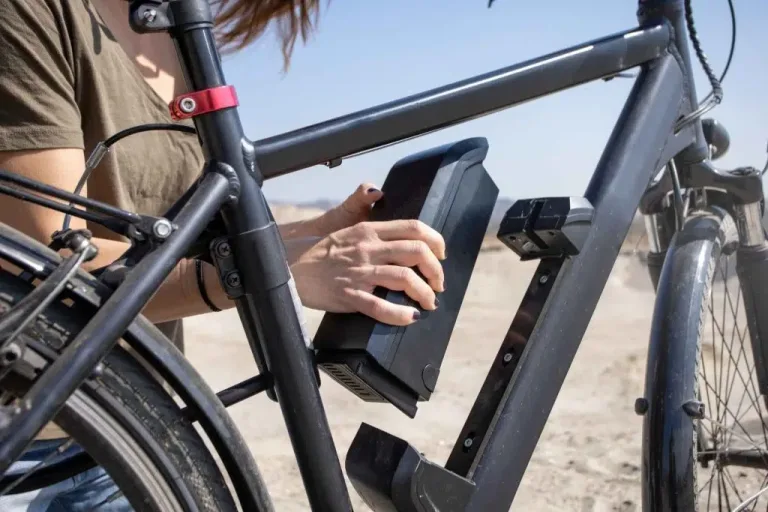
Advantages of Lithium-Ion Batteries in Electric Bikes
- Lightweight and Compact Design
Weight is a major consideration for cyclists, especially those who want a bike that’s easy to carry, store, or maneuver. Lithium-ion batteries have a much higher energy-to-weight ratio than lead-acid or nickel-cadmium batteries.
- Easier handling: Makes e-bikes more accessible to people of all ages and fitness levels.
- Sleeker frames: Battery packs can be integrated into the frame for a streamlined look and improved aerodynamics.
- Longer Range Per Charge
Lithium-ion batteries allow riders to travel farther on a single charge—often 30 to 100+ miles, depending on capacity, terrain, and motor efficiency.
- Extended commutes: Ideal for urban commuters who want to replace car trips with bike rides.
- Adventure riding: Enables long recreational rides without range anxiety.
- Fast and Efficient Charging
Most lithium-ion e-bike batteries can be charged in 3 to 6 hours, with some supporting fast-charging technology.
- Convenient for daily use: Quick top-ups during work or at home.
- Minimizes downtime: Encourages more frequent and spontaneous use of the bike.
- Long Lifespan and Durability
A high-quality lithium-ion battery can last 500 to 1,000+ charge cycles, translating to 3 to 5 years or more of regular use.
- Lower long-term cost: Fewer replacements compared to older battery chemistries.
- Consistent performance: Maintains energy output and reliability over time.
- Improved Energy Management
Most lithium-ion battery packs include a Battery Management System (BMS), which monitors and regulates voltage, temperature, and charge levels.
- Increased safety: Reduces risks of overheating or overcharging.
- Optimized performance: Enhances battery longevity and motor efficiency.
Market Impact and Consumer Trends
- Democratization of E-Mobility
Lithium-ion batteries have played a key role in making e-bikes affordable and accessible to a broader audience. As battery costs continue to decline, more people are turning to e-bikes as a cost-effective alternative to cars or public transit.
- Urban mobility: In cities, e-bikes are reducing traffic congestion and providing a cleaner commuting option.
- Aging population: E-bikes empower older adults to continue cycling, extending mobility and promoting fitness.
- Expanding E-Bike Categories
Thanks to lithium-ion technology, e-bikes are now available in a wide range of models, including:
- Commuter bikes: Lightweight and efficient for daily travel.
- Mountain e-bikes (eMTBs): Powerful enough to climb steep trails.
- Cargo e-bikes: Designed to carry heavy loads or passengers.
- Folding e-bikes: Compact and portable for mixed-mode transportation.
Lithium-ion batteries are compact and flexible enough to power all of these variations without compromising performance.
Environmental Benefits
By enabling widespread adoption of electric bikes, lithium-ion batteries contribute to reduced carbon emissions, lower air pollution, and less dependence on fossil fuels.
- Zero tailpipe emissions: Unlike gas-powered scooters or cars.
- Supports clean cities: Helps meet sustainability goals and improve urban air quality.
And while battery disposal and recycling are still evolving, lithium-ion batteries are recyclable, and the industry is making strides in developing efficient recovery processes for key materials.
Challenges and Considerations
Despite their advantages, lithium-ion batteries do come with some challenges:
- Upfront cost: Still more expensive than older technologies, though prices are steadily dropping.
- Battery degradation: Over time, capacity can diminish, especially if batteries are exposed to extreme temperatures or improper charging.
- Safety concerns: Rare, but thermal runaway can occur in poorly manufactured or damaged batteries—underscoring the importance of quality and proper usage.
To mitigate these issues:
- Always buy from reputable manufacturers.
- Store and charge batteries in cool, dry environments.
- Avoid deep discharges and overcharging.
The Future of E-Bikes and Lithium-Ion Batteries
Looking ahead, the e-bike industry is set to benefit from continued advances in lithium battery technology:
- Higher energy density: Means longer ranges and smaller battery packs.
- Faster charging: Could reduce charging times to under an hour.
- Smart connectivity: Integrated battery systems with GPS, performance tracking, and remote diagnostics.
- Solid-state batteries: On the horizon, promising even greater safety and efficiency.
As these innovations unfold, e-bikes will become even more practical, powerful, and integrated into the global shift toward sustainable personal transportation.
Conclusion
Lithium-ion batteries have revolutionized the electric bike industry by delivering lightweight power, longer range, and reliable performance. They have helped transform e-bikes from niche products into mainstream transportation solutions, enabling a healthier, cleaner, and more efficient way to move through the world.
As technology continues to evolve, and as cities embrace greener infrastructure, lithium-powered e-bikes are poised to play an even greater role in shaping the future of urban mobility—one ride at a time.
Related Articles
- Key Considerations for UL-Certified Lithium Battery Packs in IoT Devices
- How Lithium Batteries Power Electric Vehicles
- Lead-acid Batteries for Solar Energy Storage in Homes Using: a discussion with Maxworld Technologies
- AGM Battery Technology: Revolutionizing Automotive and Off-Grid Power Solutions
- Community Solar Projects: Leveraging Lithium Battery Storage
