
As consumer electronics continue to evolve, so too does the technology that powers them. Lithium-ion batteries have long been the preferred power source for everything from smartphones to laptops, offering high energy density and relatively compact size. However, despite their advantages, lithium-ion batteries come with certain limitations, including safety concerns (such as the risk of thermal runaway) and cycle life degradation over time.
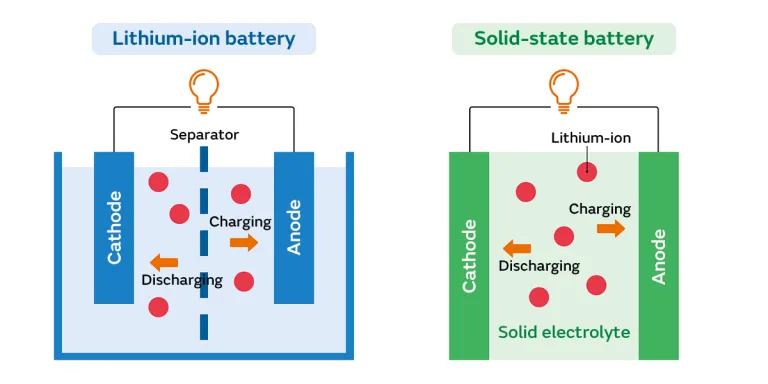
Enter solid-state lithium batteries (SSBs)—a next-generation energy storage technology that promises to revolutionize the way we power our devices. By replacing the liquid electrolyte used in traditional lithium-ion batteries with a solid electrolyte, SSBs are expected to deliver improved safety, higher energy densities, and longer-lasting power for consumer electronics. This article explores the future trends in solid-state lithium batteries for consumer electronics, focusing on the technological advancements, benefits, challenges, and potential impact on the industry.
1. Technological Advancements in Solid-State Lithium Batteries
1.1 Higher Energy Density
One of the most significant advantages of solid-state lithium batteries is their ability to store more energy in the same amount of space compared to traditional lithium-ion batteries. Solid electrolytes, such as ceramic and polymer-based materials, allow for higher voltage and greater ion conductivity, which translates into increased energy density. This means that consumer electronics—from smartphones and tablets to wearable devices—could have longer battery life without increasing in size or weight.
- Future Trends: As solid-state technology continues to evolve, researchers are working on optimizing electrolyte materials that offer even higher energy densities. For instance, some next-generation solid-state batteries could offer up to 50% more energy density than current lithium-ion batteries, which could dramatically improve battery life for consumer devices.
1.2 Enhanced Safety Features
Safety has always been a major concern with lithium-ion batteries, especially in consumer electronics. The use of liquid electrolytes in lithium-ion batteries can lead to short circuits and thermal runaway—a situation where the battery overheats, potentially leading to fires or explosions.
Solid-state batteries eliminate the risk of liquid leakage, which is a key source of battery failure in traditional lithium-ion batteries. Additionally, many solid electrolytes are more thermally stable, reducing the risk of dangerous overheating. This makes solid-state batteries ideal for applications where safety is critical, such as in wearable devices or laptops.
- Future Trends: As the solid-state battery industry matures, expect safer, more reliable devices powered by solid-state technology, reducing the need for bulky protective casings and increasing consumer confidence in battery-powered electronics.
1.3 Faster Charging Capabilities
In consumer electronics, fast charging is increasingly becoming a standard feature. While lithium-ion batteries have made strides in this area, solid-state lithium batteries hold the potential to charge even faster due to their improved ionic conductivity. The solid electrolyte facilitates faster movement of lithium ions between the anode and cathode, resulting in shorter charging times.
- Future Trends: As researchers fine-tune the solid-state battery design, we may see charging times decrease dramatically, with devices potentially reaching full charge in under 30 minutes, or even faster, revolutionizing how we use and charge smartphones, laptops, and other consumer electronics.
2. Environmental Benefits and Sustainability
2.1 Reduced Environmental Impact
One of the key challenges in the modern electronics industry is the environmental impact of battery production and disposal. Traditional lithium-ion batteries rely on toxic liquid electrolytes, rare earth metals, and heavy metals, which pose environmental and health risks.
Solid-state lithium batteries have the potential to be more eco-friendly. Many of the materials used in solid-state batteries, such as ceramic-based electrolytes, are less harmful to the environment and may even be recyclable. Moreover, the increased energy density could reduce the need for frequent battery replacements, further reducing waste.
- Future Trends: As sustainability becomes an even more prominent concern for manufacturers and consumers alike, the push toward more eco-friendly solid-state technologies is likely to intensify. We could see a future where consumer electronics are greener, with reduced dependence on harmful materials and a focus on recyclable, sustainable battery systems.
2.2 Longer Battery Lifespan
Traditional lithium-ion batteries degrade over time due to cycling stress—the repeated process of charging and discharging. This leads to reduced battery life and the need for replacements, which contributes to electronic waste.
Solid-state lithium batteries are less prone to capacity loss over time. Their solid electrolytes are less susceptible to forming the dendrites (lithium crystal growths) that can short-circuit traditional lithium-ion batteries. This means that solid-state batteries could last longer, offering consumers greater value by extending the overall lifetime of their devices.
- Future Trends: Expect to see longer-lasting devices, particularly in high-end electronics like laptops and smartphones, where users will benefit from improved battery lifespan and reduced replacement costs.
3. Challenges to Overcome
3.1 Manufacturing Challenges
Despite their promise, solid-state lithium batteries are still in the development phase and are not yet ready for widespread commercial use in consumer electronics. Manufacturing solid-state batteries is complex and expensive, primarily due to the difficulty in creating high-quality solid electrolytes and scaling production to meet consumer demand.
The current production process for solid-state batteries involves labor-intensive techniques, which makes them more expensive than traditional lithium-ion batteries. Additionally, achieving high-volume manufacturing without compromising quality or safety is a significant hurdle.
- Future Trends: As technology matures, we can expect improvements in mass production and cost-effectiveness. With advancements in manufacturing techniques, solid-state batteries will likely become more affordable, eventually making their way into mainstream consumer electronics.
3.2 Scalability
While solid-state batteries show immense potential in small devices, scaling them for larger applications (like electric vehicles or grid storage) poses another challenge. The battery size and energy requirements for such applications are vastly different, and scaling solid-state technology without losing its benefits is still an ongoing research challenge.
- Future Trends: Over time, researchers are expected to find solutions that will enable solid-state batteries to power larger devices such as electric vehicles and even solar power storage systems, paving the way for their application beyond consumer electronics.
3.3 Material Limitations
The materials used in solid-state batteries, such as ceramics and solid polymers, are often expensive and difficult to work with. This adds another layer of complexity to both the production and scalability of solid-state batteries.
- Future Trends: Researchers are focused on identifying cost-effective materials that can be used in solid-state batteries without sacrificing performance. We are likely to see a shift toward more abundant and cheaper materials, making solid-state batteries more accessible and economically viable.
4. The Road Ahead: Consumer Electronics and Solid-State Lithium Batteries
As solid-state lithium batteries continue to evolve, the future of consumer electronics is looking brighter. From safer, longer-lasting batteries to faster-charging devices, the impact on the consumer market will be profound. The integration of solid-state batteries into smartphones, laptops, wearables, and other personal devices will lead to more efficient, reliable, and eco-friendly electronics.
- Smartphones: With solid-state batteries offering higher energy densities and longer lifespans, consumers could enjoy days of usage on a single charge, along with improved safety.
- Laptops and Tablets: Fast charging, improved energy storage, and lighter designs will become more standard in portable computing.
- Wearable Tech: The flexibility of solid-state batteries will allow for slimmer, longer-lasting devices such as smartwatches, fitness trackers, and AR glasses.
Conclusion
The future of solid-state lithium batteries in consumer electronics is bright, offering significant improvements in safety, energy density, charging speed, and environmental impact. However, challenges such as manufacturing complexity, scalability, and material costs still need to be addressed. As the technology matures and production costs come down, solid-state batteries will undoubtedly play a pivotal role in powering the next generation of smart devices—enabling more efficient, longer-lasting, and safer consumer electronics for years to come.
Related Articles
- Solid-State Lithium Batteries: A Breakthrough in Safety
- Safe Concerns Can Be Addressed With Proper Manufacturing and Safe storage for Lithium Batteries
- Can A 5kW Solar Power System Power A House
- Comparing Cycle Life of Li-ion vs. LiFePO4 Batteries in Industrial Applications
- Lithium-Ion Batteries in Marine Renewable Energy Systems
