
As the global demand for energy continues to rise, and as we transition toward renewable energy sources, the need for more efficient, reliable, and flexible energy storage and distribution systems has never been more critical. Smart grids are emerging as a solution to this challenge, integrating advanced technology and communication systems to optimize the generation, distribution, and consumption of electricity.
One of the key components enabling the success of smart grids is energy storage, and at the forefront of this storage revolution are lithium-ion batteries. Known for their high efficiency, long lifespan, and fast charging capabilities, lithium-ion batteries are transforming the way electricity is stored, managed, and delivered. This article delves into the critical role of lithium-ion batteries in smart grid technologies, highlighting their benefits, challenges, and future potential.
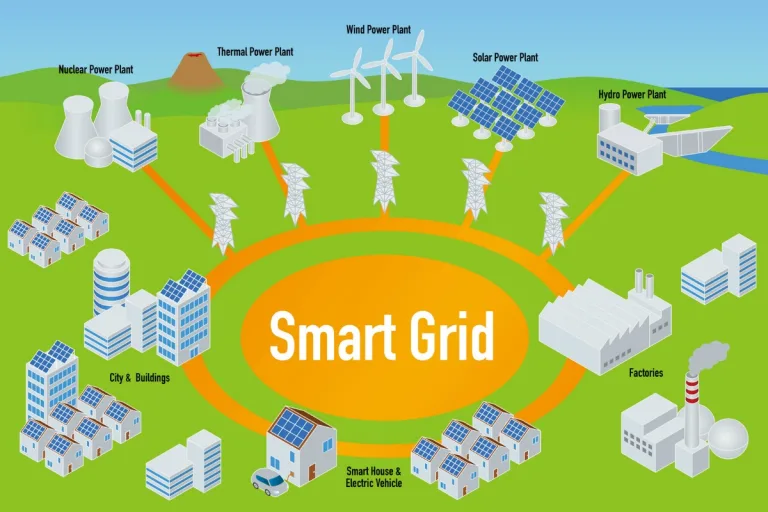
1. Understanding Smart Grid Technologies
A smart grid is a modernized electrical grid that uses digital communication, automation, and advanced sensors to improve the efficiency, reliability, and sustainability of electricity distribution. It integrates both traditional power generation sources (such as coal, natural gas, and nuclear) and renewable energy sources (like solar, wind, and hydropower), creating a dynamic, responsive system for energy management.
Key features of smart grids include:
- Real-time monitoring of energy demand and supply.
- Two-way communication between utilities and consumers.
- Decentralized energy generation through distributed energy resources (DERs).
- Demand response technologies that adjust electricity usage based on real-time signals.
- Advanced energy storage systems to balance supply and demand, especially when intermittent renewable sources are involved.
Lithium-ion batteries play a crucial role in these advanced grid systems by providing efficient storage solutions that allow smart grids to balance energy production with consumption.
2. How Lithium-Ion Batteries Integrate with Smart Grids
a) Energy Storage and Load Balancing
One of the main challenges of integrating renewable energy sources, such as solar and wind, into the grid is their intermittency. Solar power, for example, is only available during daylight hours, while wind power can vary significantly. Lithium-ion batteries offer a solution by storing excess energy produced during periods of high generation and releasing it during peak demand times or when renewable production is low.
In smart grid systems, battery storage helps to smooth out the fluctuations in power supply. When energy demand is low, excess power from solar or wind can be stored in lithium-ion batteries and then dispatched to the grid when needed, reducing the reliance on conventional fossil fuel power plants.
b) Frequency Regulation
Maintaining the frequency of the grid (typically 50 or 60 Hz depending on the region) is crucial for stable operation. A sudden surge in demand or a loss of generation can cause frequency deviations, which may lead to grid instability or blackouts. Lithium-ion batteries can respond rapidly to these fluctuations, providing frequency regulation services.
Lithium-ion batteries can inject or absorb power instantaneously, providing the grid with a fast and reliable way to stabilize its frequency. This is particularly important in grids with high penetration of renewable energy, where supply and demand can vary quickly.
c) Grid Resiliency and Backup Power
In the event of a grid failure or emergency, lithium-ion batteries can provide backup power, ensuring continuity of service for critical infrastructure such as hospitals, data centers, and communication networks. This resilience is a vital aspect of modern smart grids, which must be able to maintain operations even during power outages or other disruptions.
Lithium-ion batteries are typically used in combination with smart inverters and other grid equipment to enable quick recovery and prevent long-duration outages.
d) Energy Arbitrage and Peak Shaving
Lithium-ion batteries can also be used for energy arbitrage, where they store energy when prices are low and release it when demand (and prices) are high. In regions where electricity prices vary throughout the day, energy storage systems can help consumers and utilities reduce energy costs by charging batteries during off-peak hours and discharging them during peak hours.
This process is known as peak shaving, and it helps reduce the need for utilities to bring expensive, high-emission power plants online during periods of peak demand.
3. Benefits of Lithium-Ion Batteries in Smart Grids
a) High Efficiency and Fast Response Time
Lithium-ion batteries have a high round-trip efficiency, meaning they lose less energy during the charge and discharge cycles compared to other battery technologies. This high efficiency makes them ideal for applications where quick and reliable energy storage is needed.
In smart grids, this means that lithium-ion batteries can provide real-time energy adjustments without significant losses, helping to keep the grid stable and energy costs lower.
b) Long Cycle Life
Lithium-ion batteries can last for thousands of charge and discharge cycles, making them a long-term, cost-effective option for grid applications. Compared to other storage technologies, such as lead-acid or sodium-sulfur batteries, lithium-ion batteries can operate over a longer period, reducing the frequency of replacement and maintenance.
This longevity is critical for the sustainability of smart grids, where long-term investments are required to support the grid infrastructure.
c) Scalability and Flexibility
Lithium-ion battery systems are highly scalable, meaning they can be deployed in varying sizes to meet the specific needs of different grid applications. Whether it’s a small residential solar storage system or a large-scale utility project, lithium-ion batteries can be easily expanded or contracted to suit the energy demands of the grid.
Their modular design allows utilities to integrate them into existing infrastructure or expand them as the demand for renewable energy and storage grows.
d) Reduced Greenhouse Gas Emissions
By enabling greater integration of renewable energy sources and reducing reliance on fossil fuel plants, lithium-ion batteries contribute to a reduction in greenhouse gas emissions. As smart grids increasingly rely on renewable energy, the role of lithium-ion batteries in facilitating this transition cannot be overstated.
4. Challenges and Limitations of Lithium-Ion Batteries in Smart Grids
While lithium-ion batteries offer many advantages, they are not without their challenges:
a) High Initial Cost
One of the main drawbacks of lithium-ion batteries is their initial cost. Although prices have been dropping steadily, lithium-ion battery systems still tend to be more expensive upfront compared to other technologies like lead-acid batteries or pumped hydro storage. However, the long lifespan and efficiency of lithium-ion batteries can offset the initial investment over time.
b) Environmental Impact of Manufacturing and Disposal
The manufacturing of lithium-ion batteries requires the extraction of raw materials, such as lithium, cobalt, and nickel, which can have environmental impacts. Additionally, while lithium-ion batteries are generally recyclable, the process of recycling these batteries is still being developed and scaled, which can lead to waste and environmental concerns.
c) Thermal Management
Lithium-ion batteries can be sensitive to high temperatures, which can degrade their performance and shorten their lifespan. Thermal management systems are required to ensure that lithium-ion batteries remain within safe operating temperatures. This adds complexity and cost to the integration of lithium-ion batteries into smart grid systems, especially in regions with extreme climates.
5. The Future of Lithium-Ion Batteries in Smart Grids
The role of lithium-ion batteries in smart grid technologies is only expected to grow in the coming years. Advances in battery technology, such as the development of solid-state lithium-ion batteries, could address some of the current challenges, including cost, efficiency, and thermal management.
As governments and businesses around the world continue to prioritize sustainable energy solutions, lithium-ion batteries will play a key role in creating more efficient, reliable, and green electrical grids. The integration of these advanced batteries into smart grids will help shape a future where energy is cleaner, more accessible, and more resilient.
Conclusion
Lithium-ion batteries are rapidly becoming a cornerstone technology in smart grids, offering efficient, flexible, and sustainable solutions for energy storage and distribution. From providing backup power and frequency regulation to enabling peak shaving and reducing greenhouse gas emissions, lithium-ion batteries are integral to the modernization of our energy systems.
While challenges such as high initial costs and environmental impact remain, the continued advancements in battery technology and growing global demand for renewable energy make lithium-ion batteries a crucial component in the development of the smart grids of the future. As we move towards a cleaner, more sustainable energy future, the role of lithium-ion batteries in smart grid technologies will be key to realizing the full potential of our energy infrastructure.
