
When it comes to powering boats and RVs, the battery system is one of the most important components for ensuring reliable and efficient operation. In the past, lead-acid batteries have been the go-to option for marine and recreational vehicle use due to their affordability and availability. However, in recent years, lithium batteries, specifically deep cycle lithium-ion batteries, have become increasingly popular for these applications.
Lithium-ion batteries, while more expensive upfront, offer numerous advantages over traditional lead-acid batteries. As more boat and RV owners weigh the benefits of upgrading to lithium deep cycle batteries, the question arises: Are they worth the cost?
In this article, we will explore the key factors to consider when deciding whether deep cycle lithium batteries are the right choice for your boat or RV. We’ll compare their costs, performance, longevity, weight, and other features to help you make an informed decision.
1. Understanding Deep Cycle Lithium Batteries
Deep cycle lithium-ion batteries are designed to provide a steady amount of energy over an extended period, making them ideal for applications that require consistent power over time, such as in boats and RVs. Unlike regular lithium-ion batteries (used in mobile phones or laptops), deep cycle batteries are engineered to be discharged and recharged multiple times without damaging the battery.
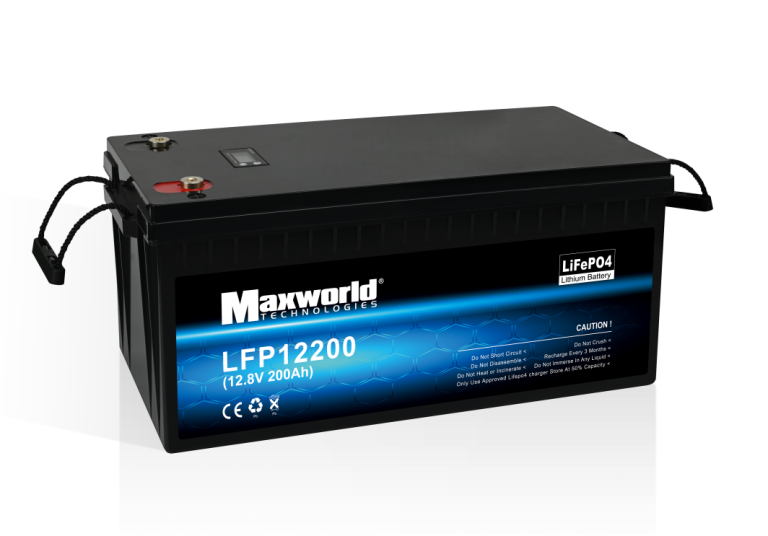
The most common type of deep cycle lithium battery for boats and RVs is the LiFePO4 (Lithium Iron Phosphate) battery, which is known for its safety, stability, and long cycle life. These batteries provide a high energy density, which allows them to store more energy in less space compared to traditional lead-acid options.
2. Initial Cost vs. Long-Term Value
One of the primary concerns when considering lithium batteries for boats and RVs is the upfront cost. Lithium-ion batteries typically come with a higher initial price tag compared to lead-acid batteries, with prices often being 3 to 4 times higher for similar capacity.
For example, while a lead-acid deep cycle battery might cost between $100 to $300, a comparable LiFePO4 battery can range from $400 to $1,000 or more. This higher cost can be a significant factor, especially when you’re outfitting a boat or RV with multiple batteries for large power demands.
However, the long-term value of lithium batteries cannot be overlooked. While they require a higher investment initially, their benefits over time can significantly outweigh the cost. Here are a few reasons why:
- Longer Cycle Life: Lithium batteries typically last 3,000 to 5,000 cycles before their capacity drops to 80%, compared to 300 to 500 cycles for lead-acid batteries. This means that lithium batteries last years longer, reducing the frequency and cost of replacements.
- Lower Maintenance Costs: Lithium batteries require much less maintenance than lead-acid batteries. There’s no need to top off electrolyte levels or deal with corrosion, which can be costly and time-consuming.
- Better Efficiency: Lithium batteries are more energy-efficient, with a higher charge retention and less loss during charge cycles. This means you will get more usable power out of a lithium battery, leading to fewer recharges and less energy wasted.
Conclusion: While the upfront cost of deep cycle lithium batteries is higher, their longer lifespan, lower maintenance needs, and higher efficiency make them a better investment in the long run, especially if you plan to use your boat or RV extensively over many years.
3. Performance and Reliability in Marine and RV Applications
When you’re using batteries in boats and RVs, performance and reliability are critical. Your battery needs to withstand vibrations, temperature extremes, and the unpredictable nature of off-grid power demands. Deep cycle lithium batteries outperform lead-acid batteries in several areas that are essential for marine and RV environments.
Vibration Resistance
Boats and RVs experience a lot of vibration as they move over water or on the road. Lead-acid batteries, especially flooded types, are more vulnerable to damage from these vibrations, which can cause plate shedding and ultimately shorten the battery’s life. On the other hand, lithium batteries have a solid-state structure and are far less susceptible to the wear and tear caused by constant vibrations, making them ideal for both boats and RVs.
Weight and Space Efficiency
One of the key advantages of lithium-ion deep cycle batteries is their lightweight design. Compared to lead-acid batteries, lithium batteries are up to 70% lighter, which is crucial in applications like RVs and boats where weight is a concern. Less weight means more room for other essential equipment and supplies. For example, a 100Ah lithium battery weighs around 25-30 pounds, whereas a lead-acid battery of the same capacity can weigh 60-70 pounds.
The compact nature of lithium batteries also means they take up less space—a significant advantage in tight spaces like boat cabins or RV storage compartments.
Cold Weather Performance
Lead-acid batteries tend to lose capacity in cold temperatures, which can be a significant issue for RV owners or boaters who operate in colder climates. Lithium-ion batteries, particularly LiFePO4, perform much better in low temperatures, maintaining a more consistent output and capacity even when the mercury drops. This makes them a reliable choice for year-round use in all weather conditions.
Depth of Discharge (DoD)
Lithium batteries allow for a deeper discharge than lead-acid batteries without significant degradation. Most deep cycle lithium batteries can be discharged up to 80-90% of their capacity without damage, while lead-acid batteries should generally only be discharged to 50% to avoid shortening their lifespan. This means that lithium batteries provide more usable power from the same capacity, which is especially beneficial during extended stays off-grid or in remote locations.
4. Environmental Impact and Safety
While both lithium and lead-acid batteries have environmental impacts, lithium batteries tend to have a lower overall footprint over their entire life cycle, mainly due to their longer lifetime and higher efficiency. Lead-acid batteries, on the other hand, require frequent replacements and generate more waste, particularly if not disposed of properly.
Lithium batteries also have a lower risk of leakage and toxic exposure. Lead-acid batteries, especially flooded types, can leak sulfuric acid if damaged or improperly maintained. This poses a serious safety risk, particularly in marine and RV environments, where batteries are often subject to unpredictable conditions.
5. Conclusion: Are Deep Cycle Lithium Batteries Worth the Cost?
While deep cycle lithium batteries come with a higher upfront cost, they offer numerous advantages over traditional lead-acid batteries that make them a worthwhile investment in the long run for boats and RVs. Their longer lifespan, lighter weight, superior performance in extreme conditions, and reliable power output make them ideal for off-grid living, whether you’re sailing on the open seas or camping in remote areas.
If you are looking for a long-term solution that minimizes maintenance costs and maximizes performance, lithium batteries are definitely worth the initial investment. For boaters and RV owners who prioritize reliability, efficiency, and space-saving, lithium deep cycle batteries provide a substantial improvement over their lead-acid counterparts.
That being said, if you have a limited budget and only plan on using your boat or RV infrequently, a lead-acid battery may still be a cost-effective choice in the short term. However, for those who use their boats or RVs regularly and want the peace of mind that comes with a long-lasting, efficient power source, investing in deep cycle lithium batteries will likely pay off in the long run.
