電子メール: [email protected]
サービスホットライン: +86-18022178932
電子メール: [email protected]サービスホットライン: +86-18022178932
送電網の混乱がより頻繁かつ長期化し、ネットメーターポリシーに対する攻撃が増加するにつれて, ソーラーパネルと蓄電池を組み合わせることがますます理にかなっています.
しかし, 家庭に電力を供給するために必要な太陽電池の正確な数? 電力を供給したい負荷のサイズ, 使用しているバッテリーの種類とサイズ, エネルギー目標は、反応を決定する要因の一部です。.
この投稿では、バッテリーストレージを購入する最も一般的な 3 つの理由と、エネルギー目標を達成するために必要なバッテリーのおおよその数を計算する方法について説明します。.
太陽電池の目的によって必要な数が決まります. 大多数の人はゼログリッド電力を輸入したいと考え始めた.
エネルギー貯蔵のこの野心的な目標は、, すぐにわかるように, 大多数の家では法外に高価である.
始めるには, オーストラリアの一般的な家庭に必要なエネルギー貯蔵量のおおよその量を確認してみましょう.
典型的なオーストラリアの家庭では毎日 16 キロワット時の電力を使用します.
それ以外にもたくさんのものが必要になります, もちろん, あなたの家に大きなエアコンがある場合, プールポンプ, 等.
オーストラリア人の大多数が9時から5時まで仕事をしており、日中は家を離れていることを考えると、, おそらく彼らはこれ以上は使用しないでしょう 30% この期間中の電力の. これは、この期間中にソーラーパネルが発電するためです.
つまり、残りを購入する必要があります 70% グリッドから. これを踏まえて, それをカバーするには何個の太陽電池が必要か 70%?
バッテリーのサイズはキロワット時で表示されます, またはkWh, システムサイジングの目的のため.
一般家庭で使用する場合 16 kWh, 30 日中kWhと 70 夜間のkWh, それはおおよそに相当します 5 日中kWhと 11 夜間のkWh.
したがって、平均的なオーストラリア人は、夜間の消費電力をすべて相殺するには、約 11kWh の太陽電池蓄電が必要になります。, 単純な計算によると.
2月現在 2024, 完全にインストールされた Tesla Powerwall 2 13.5kWh の容量で約 $15,000. これは、追加費用が発生しない簡単なインストールを前提としています。.
夜間の電力使用量をすべてバッテリーで賄う必要はないことに注意してください。. 計算してみると, エネルギー貯蔵の初期kWhは最も激しく働くため、最大の見返りが得られます。; 追加のkWhが追加された場合, 返済期間が長くなる. したがって, 夜間にすべてのキロワット時の電力を供給するためにバッテリーを使用しようとして破産を避ける.
心に留めておくべき最も重要な要素, けれど, それは、エネルギー使用プロファイルを完全に把握していないと、太陽電池の測定と比較が難しいということです。. これは、最初に必要なのは、あなたの家の適切なデータを備えた信頼性の高いエネルギー モニターであることを意味します。.
それから, 自社のソフトウェアを使用して, 有能な設置業者は、お客様のニーズに最適なソーラー パネルとバッテリーの数を正確に計算し、投資回収期間を見積もることができます。. その後, 未知の世界に盲目的に飛び込むのではなく, 目を大きく開いて太陽電池に投資することになるでしょう.
やりたいことがわかったら, 太陽光発電システムに必要なバッテリーの数を把握し始めることができます.
正直に, Solar.com のエネルギーアドバイザーと協力して、お客様のニーズに基づいてパーソナライズされたシステムを作成します, 目標, 太陽にさらすことがこれを達成する最も簡単かつ正確な方法です. ただし、大まかな見積もりが必要な場合は、, 以下の指示に従ってください.
ステップ 1: 必要なストレージ容量を決定する
ストレージのニーズを見つける、つまり, 目標を達成するために必要な、または望んでいる電気の量は、必要なバッテリーの数を決定するための最初のステップです。.
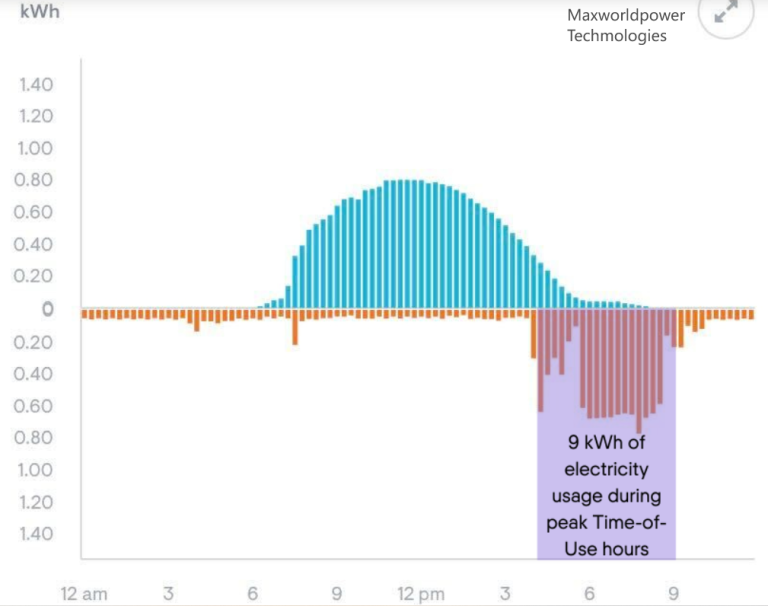
負荷シフトを通じて太陽光エネルギーの節約を最適化するには, ピーク時の電力消費量と同等の最小限のストレージが必要です, 通常は 4 に 9 午後. 下の図, 例えば, 家庭のエネルギー貯蔵要件を示しています. 家庭で使用するのはおよそ 9 間の電力量kWh 4 そして 9 午後 (オレンジ色の線) エアコンを操作するには, 夕食を作る, 『アウトランダー』を一気に見る.
消費ピーク時に家族が必要とするバッテリーの数を示すグラフ
重要なシステムまたは家全体をバックアップすることが目的の場合, 必要なストレージの量を計算するには、いくつかの計算を行う必要があります. 電力を供給したいものと、電力を供給する時間を選択することが目的です.
例えば, この記事で計算したのは、 8 キッチン家電を稼働させるには、1 日分の電力使用量に相当する kWh が必要です, ライト, 冷蔵庫, テレビ, Wi-Fi, およびその他の電子機器, 給湯だけでなく. これらのシステムを一日快適に稼働させるためには, 曇天で太陽光発電量が少ない場合でも, 少なくともバッテリー容量が必要になります 8 kWh, 多少なりとも心の平安のために.
家全体のバックアップを選択した場合, あなたがしなければならないのは、バックアップ電源が必要になる可能性が高い季節に、毎日平均してどれくらいの電力を使用するかを計算することだけです。. その量がストレージ要件になります.
ステップ2: バッテリーのサイズを決定する
必要なストレージの量が決まったら, バッテリーを買いに行く時間です.
バッテリーは頻繁に直列に接続して記憶容量を増やすことができます. 例えば, 一部のバッテリーは積み重ねてさまざまなサイズのバッテリーシステムを構築できます. 単位ごとに利用可能です。 3.36 kWh.
ステップ 3: ストレージの需要に合わせてバッテリーをセットアップします
今すぐシステムをセットアップしましょう. 加えて, バッテリーを使用して必要なシステム サイズを取得する他の方法もあります.
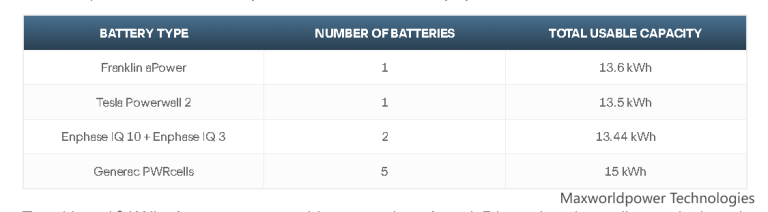
以下に、構築方法の例をいくつか示します。 13 kWhバッテリーシステム:
メーカーや種類にもよりますが, 到達するにはバッテリーが 1 ~ 5 個必要になる場合があります 13 ストレージのkWh. したがって, 家庭に電力を供給するために必要なバッテリーの正確な量は、選択したバッテリーのサイズと種類、および保管要件によって決まります。.
バッテリーは、コスト効率が高く堅牢な住宅用エネルギー システムに必要なコンポーネントに急速に変わりつつあります。. 必要なバッテリーの数量は、エネルギー目標によって決まります, ストレージ要件, バッテリーの種類とサイズの選択.
Solar.com のエネルギー アドバイザーと協力して、目標を設定し、あなたの家と電力要件に合わせた独自の太陽光発電システムとバッテリー システムを作成します。.
オフグリッド太陽光発電システム
この太陽電池蓄電装置を利用している人々は送電網に接続されていません。. 候補者がオフグリッド システムを操作するには、保管用に十分な量のバッテリーが必要です. 太陽光発電システムの建物構造は、家に一年中電力を供給できるように設計する必要があります.
電池は化学エネルギー貯蔵技術の範疇にあります. 化学エネルギーは電池によって電気エネルギーに変換されます. 電池’ 電気化学セルを収容できる容量によりこれが可能になります.
系統接続型太陽光発電システム
グリッドタイド システムはオングリッド ストレージ システムの別名です. 電池を使用する代わりに, このシステムは典型的な系統接続インバータを使用します. 家庭内で生成された余剰太陽エネルギーは、クレジットまたは固定価格買取制度と引き換えに輸出できます。, 住宅所有者は公共電力網にエネルギーを蓄えることができます.
ハイブリッド太陽光発電用蓄電池システム
2 つ以上のエネルギー システムを組み合わせると、ハイブリッド エネルギー システムが生まれます。, この太陽系の目的はエネルギーを生成することです. 太陽光と風力を組み合わせたエネルギー生産システムです。.
このような制度を利用する場合には, 消費者は公共事業を利用し、太陽エネルギーはバッテリーに蓄えられます。. 電池が切れたとき’ エネルギーが枯渇している, ユーザーは電力網に簡単に移行できます. しかし, 公共電力網の停電が発生した場合には、バッテリーに頼ることもできます。.
太陽光ベースの燃料
この種の太陽エネルギー貯蔵装置の開発はまだ進行中です. 現時点で, 太陽光燃料は商業エネルギー分野では広く入手可能ではありません. 日光が不足している時期に製造および保管されている合成化合物には水素が含まれています, アンモニア, そしてヒドラジン. これらは太陽燃料として知られています.
積層型太陽エネルギー貯蔵システム
太陽エネルギーを捕捉して利用するには2つの方法があります. 初め, 太陽電池の使用による, そしてCSPを通じて. CSPと連携して, 層状エネルギー貯蔵システムが使用されています. 太陽エネルギーは熱エネルギーとして蓄えられ、必要なときに電気に変換できます。.
ソーラープール
さらに, 太陽電池池は、火力発電と集中太陽光発電の両方を使用するシステムと見事に組み合わされます。.
太陽エネルギーを集めて蓄える水を「太陽池」といいます。. 塩水池の底水は、太陽光が入ると最初は温まります. 水は密度を失うので、, その分子は対流によって表面に上昇します.
太陽電池の有用性は、使用目的によって決まります。. 光熱費を抑えたい場合, 太陽電池バンクへの投資は価値がある.
エネルギーのピーク時間帯, 日中に太陽電池バンクに充電したエネルギーを家の電力として使用できます。. これにより、長期的な経済的節約がもたらされる可能性があります. 太陽電池システムは純粋な電力のみで動作するため、, 再生可能な太陽エネルギー, 環境への影響を軽減することもできます.
予算とエネルギー要件に応じて, 太陽電池システムは、一定の前払い料金と継続的なメンテナンスが含まれるため、費用対効果の高い代替手段となる場合とそうでない場合があります。. バッテリー代などの費用がかかる, 設置料金, および必要なメンテナンスまたは修理.
最後に, 徹底的な調査を行うことが重要です, ニーズと財務状況を評価する, そして十分な情報に基づいた決定を下す.
あなたのメールアドレスは公開されません. 必須フィールドはマークされています *
コメント *
名前 *
電子メール *
Webサイト
私の名前を保存してください, 電子メール, 次回コメントするときのためにこのブラウザでウェブサイトを表示します.