電子メール: [email protected]
サービスホットライン: +86-18022178932
電子メール: [email protected]サービスホットライン: +86-18022178932
バッテリーの性能が不十分であるという苦情をよく聞きます。, 費用がかかりすぎる, 十分なエネルギーを保持していない, または充電に時間がかかりすぎる. 要約すれば, 毎日の家庭の需要に必要なエネルギーを供給したり、自動車のソーラーパネルを補ったりすることができません。.
興味深いのは、私もあらゆる批判に同意するということです. しかし、新しい材料や化学の使用、電池メーカー間の激しい競争の結果、これらの問題は今後数年間で解決されるだろうと私は確信しています。. より良いバッテリー, 私の意見では, トラックの電動化にもつながる, バス, 車両に加えて航空輸送と海上輸送の量も増加.
これらのバッテリーは私たちの家庭でも同時に使用されます, 企業, 分散型エネルギーシステムのコンポーネントとしてのグリッド. そして、リチウムという元素はおそらくこれらすべての電池の基盤として機能するでしょう.
考えるのは簡単ですリチウムイオン電池歴史の流れを変える力を持つ電池として. テスラやその他の多国籍企業が製造するいくつかの消費財や電気自動車に, 今では頼りになるバッテリーです.
このバッテリーには解決する必要のある問題がまだあります, これらのバッテリーは将来多くの問題を解決する可能性を秘めていますが、.
まず始めに, 従来のバッテリーと比較して, リチウム金属電極はより高いエネルギー密度を生成します. こう言われています, 樹状突起, または指に似た構造, リチウム金属電極上に形成される可能性があり、バッテリーの最終的な短絡の原因となる可能性があります。.
リチウム金属電極をリチウムイオンを含むカーボン電極に置き換えることにより, 問題は軽減されました. 結果として, リチウムイオン電池が開発された, ただし、エネルギー貯蔵容量はリチウム金属電極を使用する電池よりも低い.
リチウムイオン電池に関してよく取り上げられるもう 1 つの問題は、損傷すると破裂または発火する傾向があることです。. これはラップトップと携帯電話で発生しました.
これらのバッテリーが壊れていると、まさにこれが大火災を引き起こす可能性があります。, 体内のエネルギーが急速に短時間放出されます。.
それにもかかわらず, リチウムイオン電池には世界を変える可能性があるから, 彼らの利点を過小評価することはできません. その優れたエネルギー密度は、この技術の大きな利点の 1 つです。. さらに, 他の充電式電池とは対照的に, リチウムイオン電池は自己放電が大幅に減少しています.
さらに, リチウムイオン電池が最適に機能するために必要なメンテナンスは比較的少ない. 豊富な種類があり、初期充電時の呼び水は不要です。.
特定のリチウムイオン電池は電流密度が高いため、家庭用電化製品に最適です。, 一方、他のバッテリーは電動工具や電気自動車に適した高電流レベルを提供します。.
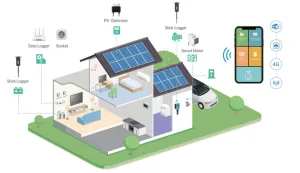
アンペア数は、リチウム電池の充電速度に大きな影響を与えます。, 他の充電式バッテリーと同じように. すでに述べたように, リチウムは鉛酸よりもはるかに高い潜在的な充電速度を持っています. これはリチウムの内部抵抗の減少によって引き起こされます。. 鉛蓄電池で使用できるのは、 “バルク” 0.3Cのレートで充電, または 30% 彼らの能力の, その後、さらに長く続く可能性のある吸収段階を経る必要があります. 比較して, リチウム電池は可能です “バルク” .8Cで充電, または 80% 彼らの能力の. これは、一部のリチウム電池所有者がより強力な電池を搭載することを奨励した要因の 1 つでした。, 大型のACバッテリー充電器, のように 60 または 80 アンプデバイス. さらに, 多くの家の屋根にソーラーパネルが設置されている理由がこれで説明できます.
例外的に軽量で、あらゆる化学元素の中で最も還元可能性が低いため, リチウムは、それをベースにした電池を比類のない機能にする物質です. 米国地質調査所は、地球上には持続可能な量のリチウムが存在すると推定しています。 400 年, それがもう一つの利点です.
リチウムイオン電池は最も広く使用されているタイプです。 リチウム電池. 電動工具に推奨される充電式バッテリーです。, 携帯電話, コンピュータ, そしてますます, 電気自動車 (EV) 増加したエネルギーと出力密度の比類のないブレンドによるもの. こう言われています, リチウムイオン電池にはさまざまな形式がある.
より興味深い選択肢の 1 つは、シリコンを採用することです。, これは安価であり、グラファイトよりも10倍のエネルギー密度を持つ可能性があります。, リチウムイオン電池の現在のアノードの代わりに. シリコンは劣化が早いため寿命が短いため、理論的に述べたことを思い出してください。.
良いニュースは、多くの企業が, Wacker Chemie と Nexeon を含む, この問題の解決策を見つけるために取り組んでいます. 実際には, パナソニックとテスラはすでに新モデルのアノード側にシリコンを追加し始めていると一般的に考えられています 3 電池. 他の技術的進歩には、バッテリーの現在の液体電解質からの切り替えが含まれる可能性があります, その重要なコンポーネントの 1 つ, 固体電解質に, そうすればエネルギー密度が高まり、より安全になります. これらすべての調整には時間がかかります, けれど.
あなたのメールアドレスは公開されません. 必須フィールドはマークされています *
コメント *
名前 *
電子メール *
Webサイト
私の名前を保存してください, 電子メール, 次回コメントするときのためにこのブラウザでウェブサイトを表示します.



-300x300.jpg)
