電子メール: [email protected]

サービスホットライン: +86-18022178932

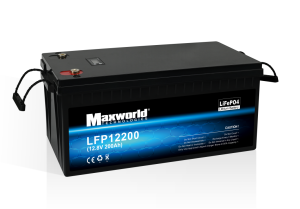
LiFePO4 電池製造の経済性: 市場動向

導入: Unveiling the Economic Landscape

As the demand for clean energy storage solutions accelerates, リン酸鉄リチウム (LiFePO4) 電池はエネルギー貯蔵市場の最有力候補として浮上している. 環境上の利点を超えて, understanding the economics behind LiFePO4 battery production is essential for stakeholders navigating this burgeoning industry. This exploration delves into the market dynamics shaping the economics of LiFePO4 battery production, analyzing key factors influencing costs, 価格設定, and market competitiveness.

LiFePO4 電池製造の経済性: 市場動向

Market Growth and Demand Drivers

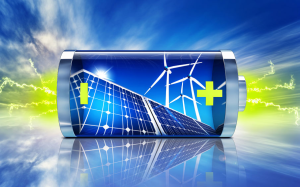
  1. Rising Demand for Energy Storage: The growing adoption of renewable energy sources such as solar and wind power drives the demand for energy storage solutions to mitigate intermittency and optimize energy utilization. LiFePO4電池, 高いエネルギー密度により、, 長いサイクル寿命, と安全機能, are increasingly favored for grid-scale energy storage, residential solar systems, and electric vehicle applications.
  2. Electric Vehicle Market Expansion: The rapid electrification of transportation, fueled by government incentives, environmental regulations, and technological advancements, propels the demand for LiFePO4 batteries in electric vehicles (EV) およびハイブリッド電気自動車 (HEV). As automakers transition towards electrified fleets, the demand for high-performance, cost-effective battery solutions continues to soar.
  3. Energy Transition Initiatives: Global initiatives aimed at reducing carbon emissions, promoting sustainable development, and achieving energy independence drive investments in clean energy technologies, LiFePO4バッテリーを含む. Governments, 公共事業, and corporations seek to build resilient energy infrastructure, integrate renewable energy, and optimize energy storage systems to support the transition towards a low-carbon economy.
  4. 技術の進歩: Ongoing advancements in battery materials, 製造工程, and energy management systems contribute to cost reductions, performance improvements, and enhanced competitiveness of LiFePO4 batteries. 固体電解質などのイノベーション, silicon-doped anodes, and advanced electrode coatings hold promise for further enhancing energy density, サイクル寿命, and safety of LiFePO4 batteries.

Cost Drivers and Production Economics

  1. 原材料費: 原材料費, リチウムを含む, 鉄, リン酸塩, およびその他のコンポーネント, significantly influences the production economics of LiFePO4 batteries. Fluctuations in commodity prices, supply chain disruptions, and geopolitical factors can impact material costs and supply availability, affecting battery manufacturing costs and pricing.
  2. Manufacturing Efficiency: Production efficiency, 規模の経済, and manufacturing automation play crucial roles in determining the cost competitiveness of LiFePO4 battery production. Investments in advanced manufacturing technologies, process optimization, and supply chain management help minimize production costs, improve yield rates, and enhance overall operational efficiency.
  3. Energy and Labor Costs: Energy consumption and labor expenses constitute significant components of the overall production costs of LiFePO4 batteries. Energy-efficient manufacturing processes, renewable energy adoption, and workforce optimization strategies contribute to cost savings and sustainability in battery production operations.
  4. 品質管理とテスト: Stringent quality control measures, compliance with safety standards, and rigorous testing protocols are essential for ensuring the reliability, パフォーマンス, and safety of LiFePO4 batteries. Investments in quality assurance, testing facilities, and certification processes incur additional costs but are critical for maintaining product quality and market credibility.

Market Dynamics and Competitive Landscape

  1. Supply Chain Dynamics: The LiFePO4 battery supply chain encompasses raw material suppliers, 電池メーカー, component suppliers, and end users across various industries. Supply chain disruptions, geopolitical tensions, and trade policies can impact material availability, lead times, and production costs, influencing market dynamics and pricing strategies.
  2. Market Competition: Intense competition among LiFePO4 battery manufacturers and suppliers drives innovation, cost optimization, and market differentiation. Established players and new entrants vie for market share by offering differentiated products, value-added services, and competitive pricing to meet diverse customer needs and preferences.
  3. Price Volatility and Margins: Price volatility in the global battery market, coupled with fluctuations in raw material costs and currency exchange rates, poses challenges for LiFePO4 battery manufacturers in maintaining stable pricing and profit margins. Margin pressures, price wars, and competitive pricing strategies necessitate agile cost management and pricing strategies to remain profitable and sustainable.
  4. Regulatory Environment: Regulatory frameworks, environmental regulations, and government incentives influence the economics of LiFePO4 battery production, shaping market dynamics and investment decisions. Supportive policies, 補助金, and incentives for clean energy technologies can stimulate market growth, drive investments, and accelerate the adoption of LiFePO4 batteries in various applications.

結論: Navigating the Economic Landscape

結論は, the economics of LiFePO4 battery production are shaped by a complex interplay of market dynamics, cost drivers, and competitive forces. As demand for clean energy storage solutions continues to rise, stakeholders must navigate evolving market trends, 技術の進歩, and regulatory landscapes to capitalize on growth opportunities and address challenges. By optimizing production efficiency, managing costs, and embracing innovation, the LiFePO4 battery industry can drive sustainable growth, foster energy transition, 清掃に貢献します, より回復力のある未来.

今すぐシェアする

関連記事

返信を残す

あなたのメールアドレスは公開されません. 必須フィールドはマークされています *