電子メール: [email protected]

サービスホットライン: +86-18022178932

Telecommunications networks are the backbone of modern society, enabling everything from mobile phone communication to internet access and global data transfer. Telecom towers play a pivotal role in maintaining this infrastructure, transmitting signals across vast areas, and ensuring constant connectivity. しかし, one of the critical challenges in operating telecom towers is maintaining a 信頼性の高い電源, especially in areas prone to power outages or remote locations where access to the grid may be limited.

歴史的に, 鉛蓄電池 were the go-to power backup solution for telecom towers, providing crucial support during power failures. しかし, バッテリー技術の進歩により, リチウムイオン電池 have emerged as a game-changer, offering superior performance, 効率, and longevity compared to traditional alternatives.

This article explores the growing trend of using リチウムイオン電池 for telecom tower backup, examining their benefits, 彼らが取り組む課題, and their role in improving the resilience of telecom networks.

The Role of Backup Power in Telecom Towers

Telecom towers rely on a constant supply of electricity to operate their equipment, including radios, antennas, and transmitters. Even short interruptions in power supply can lead to service disruptions, affecting communication for millions of people. したがって, a reliable backup power system is crucial for maintaining service uptime そして network reliability, especially during emergencies, 自然災害, or in areas with an unstable power grid.

Backup power systems are typically activated when the main power supply fails, ensuring that the equipment remains operational until grid power is restored or a more permanent solution is put in place. ほとんどの場合, バッテリーエネルギー貯蔵 serves as the primary source of backup power.

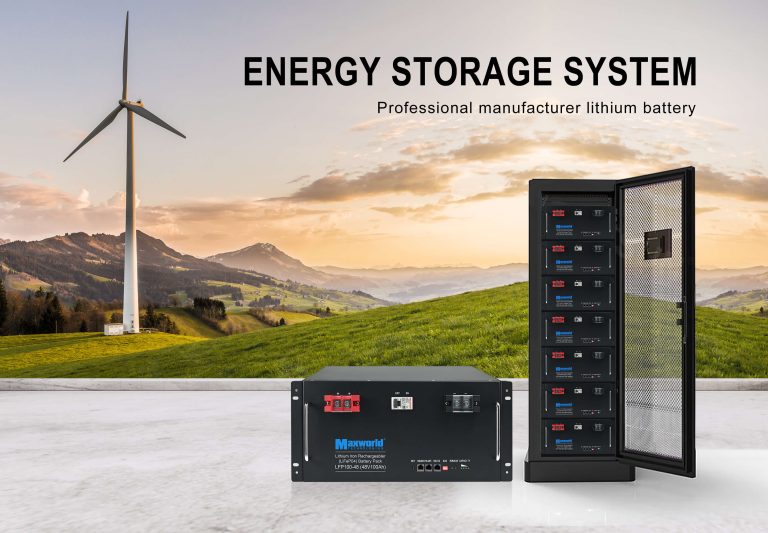
バックアップ電源システム用リチウム電池: 無停電電源装置の信頼できるソリューション

Lithium-Ion Batteries vs. 鉛蓄電池: A Comparative Overview

何十年もの間, 鉛蓄電池 have been the standard solution for telecom tower backup, and many towers still rely on them today. しかし, the limitations of lead-acid batteries have become increasingly apparent, especially in the face of growing demands for higher performance and reliability.

  1. Energy Density and Size

最も重要な利点の 1 つは、 リチウムイオン電池 over lead-acid batteries is their より高いエネルギー密度. Lithium-ion batteries can store more energy in a smaller and lighter package. This characteristic allows telecom operators to either reduce the size of the backup power system or store more energy in the same space. 結果として, lithium-ion batteries are ideal for telecom towers in locations where space is limited or in environments that require compact, efficient power solutions.

鉛蓄電池, 一方で, are bulkier and require significantly more space to store the same amount of energy, making them less efficient for modern telecom tower requirements.

  1. 長寿命

リチウムイオン電池は次のような特徴があることで知られています。 extended service life 鉛蓄電池と比較して. 鉛蓄電池の寿命は通常次のとおりです。 3 に 5 年, リチウムイオン電池はどこでも使用できます。 8 に 15 年, depending on usage and maintenance. This longevity significantly reduces the frequency of 電池交換 and the associated maintenance costs.

さらに, lithium-ion batteries experience less 容量の低下 時間とともに, meaning they maintain their ability to store and deliver energy more effectively throughout their lifespan. 対照的に, lead-acid batteries tend to lose their charge-holding capacity more quickly, leading to reduced backup power availability.

  1. Efficiency and Energy Use

Lithium-ion batteries are more efficient at energy conversion そして charge retention 鉛蓄電池よりも. They can be charged and discharged more efficiently, meaning they lose less energy in the process. This results in a more effective use of power and a lower total cost of ownership over time.

Lead-acid batteries suffer from higher internal resistance, leading to energy losses during the charging and discharging cycles. This can result in less efficient backup performance, especially in situations where quick charging is required, such as in telecom towers that face frequent power interruptions.

  1. メンテナンスの軽減

Lithium-ion batteries require significantly less maintenance compared to lead-acid batteries. Lead-acid batteries need to be regularly checked for electrolyte levels, cleaned, and sometimes replaced due to corrosion or buildup. リチウムイオン電池, しかし, は メンテナンスフリー in most cases, which reduces the operational burden on telecom operators and lowers ongoing maintenance costs.

さらに, lithium-ion batteries are generally より安全な などなど 環境に優しい 鉛酸の対応物よりも. Lead-acid batteries can leak hazardous materials if damaged, while lithium-ion batteries are designed with protective features to minimize safety risks.

Key Benefits of Lithium-Ion Batteries for Telecom Tower Backup

  1. 信頼性と稼働時間の向上

Telecom towers must maintain 24/7 uptime to ensure uninterrupted service. Power disruptions, especially in critical situations like natural disasters or power grid failures, can result in significant service downtime. Lithium-ion batteries offer superior performance in these scenarios, 提供する rapid power response などなど consistent energy supply 鉛蓄電池と比較して. Their efficiency and extended lifespan also mean that telecom providers can rely on them to deliver uninterrupted power over the long term.

  1. 総所有コストの削減 (TCO)

While the initial investment in lithium-ion batteries is typically higher than that of lead-acid batteries, の 総所有コスト over the battery’s life cycle is significantly lower. The longer lifespan, メンテナンスの必要性が軽減される, and higher efficiency of lithium-ion batteries mean that operators save money on replacements and maintenance.

さらに, の reduced space requirements and better energy density of lithium-ion batteries make them more cost-effective in terms of both インストール そして メンテナンス, especially in telecom towers where space is at a premium.

  1. Energy Efficiency and Environmental Benefits

In an age of increasing concern about environmental sustainability, lithium-ion batteries offer several advantages. Due to their より高いエネルギー密度 そして lower energy losses, lithium-ion batteries are more エネルギー効率の高い, requiring fewer resources to store and deliver the same amount of power. This helps reduce the carbon footprint of telecom tower operations.

さらに, リチウムイオン電池は、 リサイクル可能 and have a lower environmental impact at the end of their lifecycle compared to lead-acid batteries, それらをさらに豊かにする 環境に優しい option for telecom operators looking to align with sustainability goals.

  1. Remote Monitoring and Smart Battery Management

Lithium-ion batteries are often equipped with advanced バッテリー管理システム (BMS) that provide real-time data and remote monitoring capabilities. Telecom operators can track the health and performance of the battery system, receiving alerts for potential issues before they become critical.

これ 予知保全 capability enhances the reliability of telecom tower backup systems, ensuring that any performance degradation is detected early, and preventive measures can be taken to avoid system failures. This level of monitoring is especially valuable in remote or hard-to-access telecom towers where regular physical inspections are not feasible.

Challenges and Considerations for Adoption

リチウムイオン電池には多くの利点がありますが、, their adoption in telecom tower backup systems is not without challenges. 主な懸念事項の 1 つは、 初期費用. Although prices have been decreasing over the years, lithium-ion batteries are still more expensive upfront compared to lead-acid batteries. しかし, 前述したように, の 長期的な貯蓄 in terms of lifespan and maintenance can offset this higher initial investment.

さらに, の availability of lithium as a raw material and concerns over supply chain issues related to lithium and other critical minerals may pose risks for the scalability of lithium-ion battery solutions in the telecom sector. It is important for telecom operators to consider the long-term sustainability of their battery supply chains.

結論

の採用 リチウムイオン電池 のために telecom tower backup systems is rapidly transforming the telecommunications industry by providing more efficient, 信頼性のある, and cost-effective solutions compared to traditional lead-acid batteries. With advantages such as longer lifespan, より高いエネルギー密度, and reduced maintenance, lithium-ion batteries are well-positioned to meet the growing demands of the modern telecom landscape.

需要としては uninterrupted connectivity continues to rise, the role of lithium-ion batteries in ensuring reliable telecom tower performance will only grow. 課題は残るものの、, the ongoing advancements in battery technology, along with the increasing adoption of 持続可能な実践, make lithium-ion batteries the optimal choice for backup power solutions in the telecom industry. The future of telecom tower operations is increasingly powered by the innovations and advantages offered by lithium-ion battery technology.

返信を残す

あなたのメールアドレスは公開されません. 必須フィールドはマークされています *