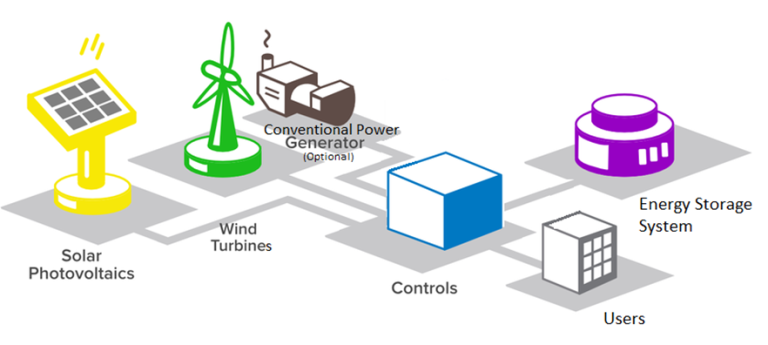
As the demand for sustainable energy solutions grows, the integration of renewable energy microgrids is becoming increasingly important. These systems provide localized power generation, enhancing energy security and reducing reliance on fossil fuels. Central to the effectiveness of microgrids is energy storage, and lithium batteries have emerged as a leading option due to their efficiency, 多用途性, and performance characteristics. This article explores the integration of lithium batteries in renewable energy microgrids, その利点を強調する, 課題, and best practices.
Understanding Microgrids
Microgrids are localized energy systems that can operate independently or in conjunction with the traditional grid. They typically combine various renewable energy sources, ソーラーパネルなど, 風力タービン, そして水力発電, with energy storage solutions to optimize energy production and consumption. By decentralizing energy generation, microgrids enhance resilience against outages and provide more reliable power to local communities.
リチウム電池の役割
リチウム電池, particularly lithium-ion and lithium iron phosphate (LiFePO4), have become the preferred energy storage solution for renewable energy microgrids. 高いエネルギー密度, 長いサイクル寿命, and low maintenance requirements make them ideal for applications where space and reliability are critical.
Key Benefits of Lithium Batteries in Microgrids
- 高エネルギー密度: Lithium batteries offer a greater amount of energy storage per unit of weight compared to traditional lead-acid batteries. This characteristic allows for more compact installations and increased capacity in limited spaces.
- 急速充電と急速放電: Lithium batteries can charge and discharge at a much faster rate than other battery technologies, enabling quick responses to fluctuations in energy demand and supply. This capability is vital for maintaining grid stability in microgrids.
- 長寿命: Lithium batteries have a longer cycle life, しばしば超える 2,000 cycles under optimal conditions. This longevity translates to lower replacement costs and reduced environmental impact over time.
- 温度耐性: Many lithium battery chemistries perform well in a wide range of temperatures, making them suitable for diverse climatic conditions. This adaptability is crucial for microgrids deployed in various geographical locations.
- メンテナンスの手間がかからない: Unlike traditional batteries that require regular maintenance, lithium batteries are largely maintenance-free. This feature reduces operational costs and simplifies management for microgrid operators.
Challenges in Integration
リチウム電池には多くの利点がありますが、, several challenges must be addressed for effective integration into renewable energy microgrids:
- 初期費用: The upfront cost of lithium batteries can be higher than other storage technologies. しかし, the total cost of ownership may be lower due to their longevity and efficiency.
- 安全上の懸念: Lithium batteries can pose safety risks if not managed properly. 熱暴走, which can lead to overheating and fires, must be mitigated through proper battery management systems (BMS) and safety protocols.
- リサイクルと使用済み製品の管理: As the use of lithium batteries increases, so does the need for sustainable recycling and disposal methods. Developing efficient recycling systems is essential to minimize environmental impact.
- Grid Compatibility: Integrating lithium batteries into existing grid infrastructure can present compatibility challenges. Ensuring seamless communication and operation between battery systems and other components of the microgrid is vital for optimal performance.
Best Practices for Integration
To maximize the benefits of lithium batteries in renewable energy microgrids, several best practices should be considered:
- Optimal Sizing and Design: Careful planning and modeling are essential for determining the appropriate size and configuration of lithium battery systems. This process should account for energy demand, generation capacity, and storage requirements.
- Implement Advanced Battery Management Systems (BMS): A robust BMS can monitor battery health, 充電および放電サイクルを最適化する, and enhance safety. Implementing advanced algorithms can improve the efficiency and longevity of lithium battery systems.
- Regular Monitoring and Maintenance: Although lithium batteries require less maintenance than other technologies, regular monitoring is crucial to ensure optimal performance. Tracking battery metrics, 充電状態など (SOC) そして健康状態 (ソー), can help identify potential issues before they escalate.
- Utilize Hybrid Systems: Combining lithium batteries with other energy storage technologies, スーパーキャパシタやフライホイールなど, can enhance overall system performance. Hybrid systems can leverage the strengths of each technology, providing a more flexible and efficient energy storage solution.
- Focus on Safety Protocols: Implementing safety protocols and training personnel in proper handling and emergency response procedures is essential to mitigate risks associated with lithium batteries. This includes establishing clear guidelines for installation, 手術, そしてメンテナンス.
結論
Integrating lithium batteries into renewable energy microgrids presents a significant opportunity to enhance energy storage, improve reliability, 持続可能性を促進する. 課題が存在する一方で, the advantages of lithium technology—such as high energy density, 急速充電, and low maintenance—make it an attractive choice for modern microgrid applications. By adhering to best practices and addressing potential risks, operators can create resilient, 効率的, and sustainable microgrids that contribute to the transition toward a cleaner energy future. テクノロジーが進化し続けるにつれて, the role of lithium batteries in renewable energy systems will undoubtedly expand, paving the way for innovative energy solutions.