
世界は急速に 持続可能なエネルギーソリューション, そしてこの変革の中心となるのは、 電気自動車 (EV). 化石燃料への依存から脱し、よりクリーンな代替燃料へ移行するにつれて, リチウムイオン (リチウムイオン) 電池 この変化を推進する原動力として浮上した. これらの電池は現代の基礎です 電気自動車, 優れた航続距離を実現できるようにする, 急速充電, そして長期にわたるパフォーマンス.
この記事では, その方法を調べてみましょう リチウムイオン電池 に革命を起こしている 電気自動車産業, EV に最適な選択肢である理由, より環境に優しい社会への移行に向けてどのような課題が残されているのか, より電動化された未来.
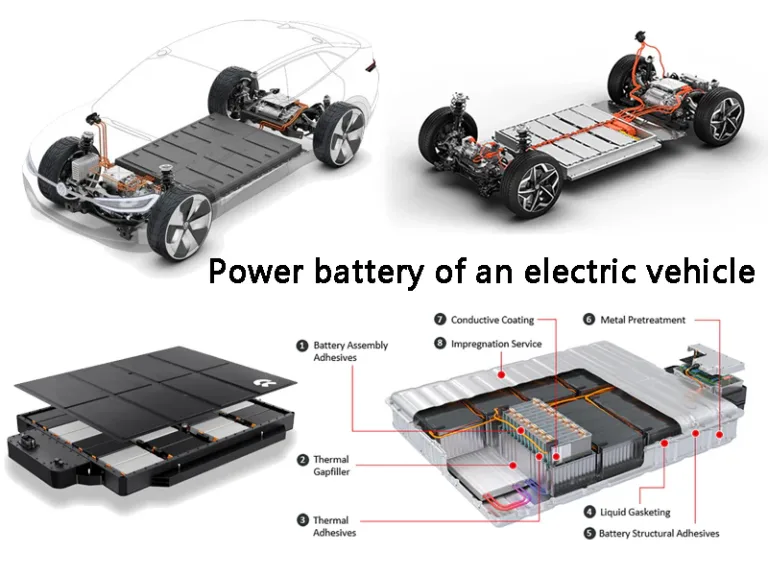
1. 電気自動車にリチウムイオン電池が選ばれる理由?
- エネルギー密度
最も重要な理由の 1 つは リチウムイオン電池 電気自動車に使用されているのは、 高いエネルギー密度. エネルギー密度 単位体積または重量あたりにバッテリーが蓄えることができるエネルギー量を指します。. リチウムイオン電池はより小さな電池に多くのエネルギーを詰め込むことができます, 他の種類のバッテリーと比べてスペースが軽い, のような ニッケル水素 (ニッケル水素) または 鉛蓄電池. EVには必須ですね, メーカーが 範囲 そして パフォーマンス 過剰な重量を追加することなく消費者が求めるもの.
エネルギー密度が高いということは、 リチウムイオン電池 より多くのエネルギーを蓄え、1 回の充電でより長い航続距離を実現できます。, これは最も重要な要素の 1 つです 電気自動車の購入者. 今日のEVはどこでも走行可能です。 150 オーバーする 350 マイル 1回の充電で, リチウムイオン電池技術の進歩のおかげで.
- 長寿命
リチウムイオン電池 で知られています 長寿命 他のバッテリー技術と比較して. 通常, それらは次の間で続きます 8-15 年 または約 1,000 に 3,000 充電サイクル, 使用方法と環境要因に応じて. この長寿命により、これらは魅力的な選択肢となります。 電気自動車, 長年にわたる頻繁な充放電に大きな劣化なく耐えられるバッテリーが必要です。.
他の種類のバッテリー, のような 鉛酸 または ニッケル水素, 寿命が短くなる傾向にある, より頻繁な交換が必要になる. 長寿 リチウムイオン電池 EV所有者にとっては交換が減り、全体的なコストが削減されることを意味します.
- より高速な充電
もう一つの利点 リチウムイオン電池 彼らの能力は より速く充電する 他の種類のバッテリーよりも. の台頭とともに 急速充電インフラ, 多くのリチウムイオン駆動の EV は最大まで充電できます。 80% で 30 分 で 急速充電ステーション. これは、完全に充電するのに何時間もかかる可能性があった古い電気自動車のバッテリーと比較すると、大きな進歩です。.
急速充電は性能を向上させるだけでなく、 利便性 EV の普及だけでなく、長距離旅行も可能になります, ドライバーは充電ステーションですぐにバッテリーを満タンにすることができるため、.
- 軽量・コンパクト
エネルギー密度が高いことに加えて、, リチウムイオン電池 は 軽量 そして コンパクト, それらを理想的なものにする 電気自動車 スペースと重量が重要な要素となる場合. 他のバッテリー技術との比較, リチウムイオン電池はより多くの電力をより小さな電池に詰め込むことができます, 軽量パッケージ, メーカーがより多くの設計を行うのに役立ちます 空気力学的, 効率的, 高性能EV.
- 環境上の利点
リチウムイオン電池は、輸送による環境への影響を軽減する上でも重要な役割を果たします。. 電気自動車 リチウムイオン電池で駆動され、 ゼロエミッション テールパイプで, 温室効果ガスの排出と大気汚染の削減に役立ちます.
さらに, の進歩 リサイクル技術 リチウムイオン電池の持続可能性が向上しているため. 多くのメーカーが使用済みリチウムイオン電池の材料を回収して再利用する方法に取り組んでいます。, EV生産による全体的な環境フットプリントを削減します.
2. 電気自動車におけるリチウムイオン電池の仕組み
- リチウムイオン電池の基本コンポーネント
その方法を理解するには リチウムイオン電池 力 電気自動車, まずはバッテリー自体がどのように機能するかを理解することが重要です. の 基本コンポーネント リチウムイオン電池には以下が含まれます:
- アノード: 通常はから作られています 黒鉛, アノードストア リチウムイオン バッテリーが充電されているとき.
- 陰極: 製 金属酸化物, カソードはここにあります リチウムイオン バッテリーが放電したときの流れ.
- 電解質: 動きを促進する液体またはゲル。 リチウムイオン 充電および放電プロセス中のアノードとカソードの間.
- セパレータ: アノードとカソード間の直接接触を防ぎ、イオンの通過を可能にする透過層.
その間 充電, リチウムイオン 電解質を通ってカソードからアノードに移動する, エネルギーを蓄える. いつ 放電中 (使用中), イオンは陰極に戻ります, エネルギーを電気の形で放出して車両に動力を供給する.
- 電気モーターに電力を供給する
電気自動車の中で, の リチウムイオン電池 に電力を供給します 電気モーター. モーターは電気エネルギーを次のように変換します。 機械エネルギー, 車の車輪を駆動するもの. の バッテリー管理システム (BMS) 最適なパフォーマンスを確保するために充電および放電プロセスを調整します, 長寿, そしてバッテリーの安全性.
の 出力 バッテリーの容量が決定します パフォーマンス EVの, のような 加速度 そして トップスピード. 高性能EVは次のようなバッテリーを使用する場合があります。 より高い出力, 一方、標準的な民生用EVは、次のバランスを提供するバッテリーを使用しています。 エネルギー密度 そして 費用対効果.
- 回生ブレーキ
多くの電気自動車にも特徴があります 回生ブレーキ, ブレーキ時にエネルギーを回収し、エネルギーを蓄えるシステム。 リチウムイオン電池. ドライバーがブレーキを踏むとき, の 電気モーター 逆に動作する, 車両の運動エネルギーを電気エネルギーに変換する, 将来の使用のためにバッテリーに保存されます. この機能は車両全体の性能を向上させるのに役立ちます。 エネルギー効率 そして航続距離を伸ばす.
3. EVにおけるリチウムイオン電池の利点
- パフォーマンスと航続距離の向上
リチウムイオン電池は、 力 そして 範囲 ~に対する消費者の需要を満たすために必要な 電気自動車 1回の充電で長距離を走行できる. の 高いエネルギー密度 そして 速い放電速度 スムーズにできるようにする, 力強い加速, 前向きな運転体験には不可欠です.
- 効率性とコスト削減
長期的には, リチウムイオン電池 EVがより大きな成果を達成できるよう支援する 効率 従来と比較して ガソリン車. 電気自動車は可動部品が少なく、内燃エンジンに依存しないため、, 彼らです よりエネルギー効率の高い. さらに, ただし、リチウムイオン電池を搭載したEVの初期コストは高くなる可能性があります, 所有者が節約できる 燃料 そして メンテナンス費用 時間とともに.
- スケーラビリティと多用途性
リチウムイオン電池の技術は非常に高い スケーラブルな, メーカーが設計できることを意味します バッテリーパック さまざまなタイプの電気自動車のニーズに適合, 小型シティカーから大型トラックまで. の進歩により、 バッテリーの化学 そして 管理システム, リチウムイオン電池は幅広いEV用途に合わせてカスタマイズ可能, 提供する 多用途性 両方で 消費者 そして 商用車.
4. EV におけるリチウムイオン電池の課題と将来
- 原材料のコストと入手可能性
多くの利点があるにもかかわらず、, 高いコスト リチウムイオン電池 依然として最大の課題の 1 つである 電気自動車産業. の費用 リチウム, コバルト, などの必須材料がEVの価格を押し上げる可能性がある. しかし, バッテリーの生産規模が拡大するにつれて、価格は着実に低下しており、 新しい技術 (のように 全固体電池) 開発されています.
- バッテリーのリサイクルと環境への影響
より多くの電気自動車が道路を走行するにつれて, 持続可能なものの必要性 バッテリーのリサイクル クリティカルになる. その間 リチウムイオン電池 リサイクル可能です, などの貴重な素材を抽出するプロセス リチウム, コバルト, そして ニッケル 複雑でコストがかかる. EV業界が投資しているのは、 リサイクルインフラ プロセスをより効率的かつ環境に優しいものにする.
- 充電インフラ
電気自動車の普及を支援する, 広範囲にわたる 充電インフラ 必要です. 数が多い一方で、 充電ステーション 成長しています, 急速充電ネットワーク 一部の地域ではまだ制限されています, 家庭用充電設定は誰でも利用できるわけではありません. 充電ステーションへの継続的な投資と設備の改善 充電速度 電気自動車の成長を支えるために不可欠となる.
- バッテリー技術の進歩
電気自動車の将来は、バッテリー技術の継続的な進歩に大きく依存しています。. 全固体電池, リチウム硫黄電池, およびその他の次世代技術は、さらに高いエネルギー密度の実現を約束します, 長寿命, 充電時間も短縮, 電気自動車の性能をさらに向上させる.
5. 結論
リチウムイオン電池 として登場しました 電源 にとって最適な 電気自動車, 比類のないものを提供する エネルギー密度, 長寿命, そして 急速充電機能. 世界がより持続可能な交通手段を目指して進む中, これらのバッテリーは、今後も世界の成長において重要な役割を果たし続けるでしょう。 電気自動車市場. といった課題を抱えながらも、 料金, 原材料の入手可能性, そして 充電インフラ 残る, バッテリー技術とリサイクル方法の進歩は、これらの問題の解決に役立ちます, EVをもっと身近なものに, 効率的, そして環境に優しい. 世界がより環境に優しい未来に移行するにつれて, リチウムイオン電池 これからも力を与え続けます 次世代の電気自動車—私たちをより持続可能で電化された世界に向けて推進します.
