
世界的なエネルギー需要が増加し続ける中、, そして私たちがそれに向かって移行するにつれて、 再生可能エネルギー ソース, より効率的なものへの必要性, 信頼性のある, 柔軟なエネルギー貯蔵および配電システムがかつてないほど重要になっています. スマートグリッド この課題の解決策として浮上しつつある, 先進技術と通信システムを統合し、発電量を最適化, 分布, と電力の消費.
スマート グリッドの成功を可能にする重要な要素の 1 つは次のとおりです。 エネルギー貯蔵, このストレージ革命の最前線にいるのは、 リチウムイオン電池. で知られています 高効率, 長寿命, そして 急速充電機能, リチウムイオン電池は電力の貯蔵方法を変革しています, 管理された, そして配達されました. この記事では、リチウムイオン電池の重要な役割について詳しく説明します。 スマートグリッド技術, その利点を強調する, 課題, そして将来性.
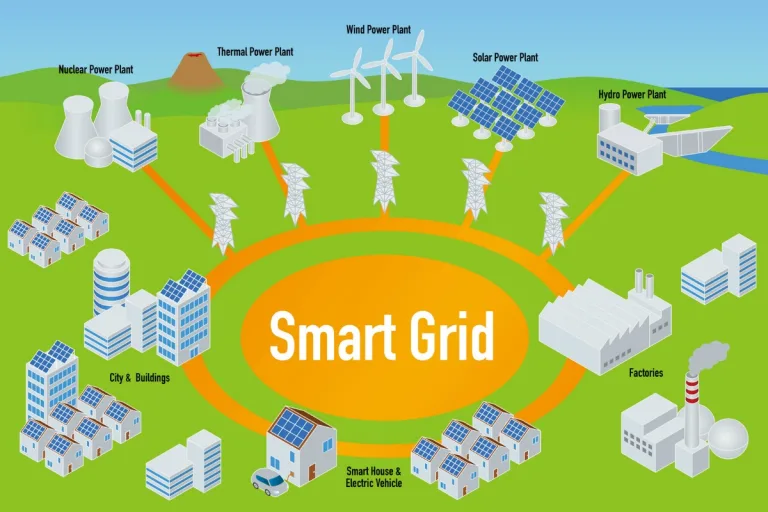
1. スマートグリッドテクノロジーを理解する
あ スマートグリッド を使用する最新の電力網です。 デジタルコミュニケーション, オートメーション, そして 高度なセンサー 効率を向上させるために, 信頼性, 電力供給の持続可能性. 両方を統合します 従来の発電源 (石炭などの, 天然ガス, そして核) そして 再生可能エネルギー源 (太陽のように, 風, そして水力発電), ダイナミックを生み出す, エネルギー管理のための応答性の高いシステム.
スマートグリッドの主な機能は次のとおりです。:
- リアルタイム監視 エネルギーの需要と供給.
- 双方向コミュニケーション 電力会社と消費者の間で.
- 分散型エネルギー生成 分散型エネルギー資源を通じて (DER).
- デマンドレスポンス リアルタイム信号に基づいて電力使用量を調整する技術.
- 高度なエネルギー貯蔵 需要と供給のバランスを取るシステム, 特に断続的な再生可能エネルギー源が関係する場合.
リチウムイオン電池は、これらの先進的な電力網システムにおいて重要な役割を果たします。 効率的なストレージソリューション スマートグリッドによりエネルギー生産と消費のバランスをとることが可能になります.
2. リチウムイオン電池とスマートグリッドの統合方法
ある) エネルギー貯蔵と負荷分散
統合における主な課題の 1 つは、 再生可能エネルギー ソース, 太陽光や風力など, グリッドに入るのは彼らです 断続性. 太陽光発電, 例えば, 日中のみ利用可能です, 風力発電は大幅に変動する可能性がありますが、. リチウムイオン電池 発電量が多い時期に生成された余剰エネルギーを貯蔵し、需要のピーク時や再生可能エネルギーの生産量が少ないときに放出することで解決策を提供します。.
スマートグリッドシステムにおいて, バッテリーストレージ 電力供給の変動を平滑化するのに役立ちます. エネルギー需要が低いとき, 太陽光や風力による余剰電力は蓄電できます。 リチウムイオン電池 そして、必要に応じてグリッドにディスパッチされます, 従来の化石燃料発電所への依存を減らす.
b) 周波数調整
の維持 頻度 グリッドの (通常 50 または 60 地域に応じたHz) 安定した動作には重要です. 突然の需要の急増や発電量の損失により、 周波数偏差, 送電網の不安定や停電につながる可能性があります. リチウムイオン電池 こうした変動に迅速に対応できる, 提供する 周波数調整 サービス.
リチウムイオン電池は瞬時に電力を注入または吸収できます。, 周波数を安定させるための高速かつ信頼性の高い方法をグリッドに提供します。. これは、再生可能エネルギーの普及が進んでいる送電網では特に重要です。, 需要と供給が急速に変化する可能性がある場所.
c) グリッドの復元力とバックアップ電力
万一の場合には、 送電網の故障 または緊急の場合, リチウムイオン電池 バックアップ電源を提供できる, 病院などの重要インフラのサービス継続性を確保, データセンター, および通信ネットワーク. これ 回復力 は現代のスマートグリッドの重要な側面です, 停電やその他の中断時でも動作を維持できなければなりません.
リチウムイオン電池は通常、次のものと組み合わせて使用されます。 スマートインバーター およびその他のグリッド機器により、迅速な復旧が可能になり、長期間の停止が防止されます。.
d) エネルギーアービトラージとピークシェービング
リチウムイオン電池はこんな用途にも使えます エネルギー裁定取引, 価格が安いときにエネルギーを蓄え、需要があったときに放出します。 (そして価格) 高いです. 一日を通して電気料金が変動する地域では, エネルギー貯蔵システム オフピーク時にバッテリーを充電し、ピーク時に放電することで、消費者と電力会社のエネルギーコストの削減に役立ちます。.
このプロセスは次のように知られています ピークシェービング, そして、それは、高価な光熱費をもたらす公共料金の必要性を減らすのに役立ちます。, 高排出量発電所を需要のピーク時にオンライン化.
3. スマートグリッドにおけるリチウムイオン電池の利点
ある) 高効率と高速応答時間
リチウムイオン電池は高い性能を持っています 往復効率, つまり、他のバッテリー技術と比較して、充電および放電サイクル中のエネルギー損失が少なくなります。. この高い効率により、迅速かつ信頼性の高いエネルギー貯蔵が必要な用途に最適です。.
スマートグリッドでは, これはつまり リチウムイオン電池 提供できる リアルタイムのエネルギー 大幅な損失なしで調整, 送電網の安定性を維持し、エネルギーコストを削減するのに役立ちます.
b) 長いサイクル寿命
リチウムイオン電池は、数千回の充放電サイクルに耐えることができます。, 長期的なものにする, グリッドアプリケーション向けのコスト効率の高いオプション. 他のストレージテクノロジーとの比較, のような 鉛酸 または ナトリウム硫黄 電池, リチウムイオン電池は長期間の動作が可能, 交換やメンテナンスの頻度を減らす.
この長寿命は、 持続可能性 スマートグリッドの, どこ 長期投資 グリッドインフラストラクチャをサポートする必要がある.
c) スケーラビリティと柔軟性
リチウムイオン電池システムは、 スケーラブルな, つまり、さまざまなグリッド アプリケーションの特定のニーズを満たすために、さまざまなサイズで導入できるということです。. 小規模な住宅用太陽光発電システムであっても、大規模な公共事業プロジェクトであっても, リチウムイオン電池は、電力網のエネルギー需要に合わせて簡単に拡張または縮小できます。.
彼らの モジュラー設計 電力会社がそれらを既存のインフラストラクチャに統合したり、需要に応じて拡張したりできるようにします。 再生可能エネルギー そして ストレージ 成長する.
d) 温室効果ガス排出量の削減
再生可能エネルギー源のさらなる統合を可能にし、化石燃料プラントへの依存を減らすことによって, リチウムイオン電池は、 温室効果ガス排出量の削減. スマートグリッドの再生可能エネルギーへの依存が高まる中, この移行を促進する上でのリチウムイオン電池の役割は、どれだけ誇張してもしすぎることはありません。.
4. スマートグリッドにおけるリチウムイオン電池の課題と限界
リチウムイオン電池には多くの利点がありますが、, 彼らには課題がないわけではない:
ある) 初期費用が高い
リチウムイオン電池の主な欠点の 1 つは、 初期費用. 価格は着実に下がってきているものの、, リチウムイオン電池システムは、鉛蓄電池や揚水発電などの他の技術と比較して、初期費用が依然として高価になる傾向があります。. しかし, リチウムイオン電池の長寿命と効率により、時間の経過とともに初期投資を相殺できます。.
b) 製造および廃棄時の環境影響
リチウムイオン電池の製造には原材料の抽出が必要です, のような リチウム, コバルト, そして ニッケル, 持つことができるのは 環境への影響. さらに, リチウムイオン電池は一般的にリサイクル可能ですが、, これらのバッテリーをリサイクルするプロセスはまだ開発され、拡大されています。, につながる可能性があります 無駄 環境への懸念.
c) 熱管理
リチウムイオン電池は次のような影響を受けやすい 高温, 性能が低下し、寿命が短くなる可能性があります. 熱管理 システムは、リチウムイオン電池が安全な動作温度内に保たれるようにする必要があります。. これにより、リチウムイオン電池のスマートグリッドシステムへの統合が複雑になり、コストが増加します。, 特に極端な気候の地域では.
5. スマートグリッドにおけるリチウムイオン電池の将来
の役割 リチウムイオン電池 スマートグリッド技術は今後数年間でさらに成長すると予想される. バッテリー技術の進歩, の開発など 全固体リチウムイオン電池, 現在の課題のいくつかに対処できる可能性がある, コストも含めて, 効率, および熱管理.
世界中の政府や企業が引き続き優先順位を付ける中、 持続可能なエネルギーソリューション, リチウムイオン電池は、より多くの製品を生み出す上で重要な役割を果たすでしょう。 効率的, 信頼性のある, そして 緑 電力網. これらの先進的なバッテリーをスマートグリッドに統合することは、エネルギーが利用される未来の形成に役立ちます。 クリーナー, よりアクセスしやすい, そして より弾力性のある.
結論
リチウムイオン電池 急速に基礎技術となりつつある スマートグリッド, 効率的な提供, フレキシブル, エネルギー貯蔵と分配のための持続可能なソリューション. バックアップ電源と周波数調整の提供から、ピークカットの実現と温室効果ガス排出量の削減まで, リチウムイオン電池はエネルギーシステムの近代化に不可欠です.
初期費用の高さや環境への影響などの課題は残るが, バッテリー技術の継続的な進歩と世界的な需要の増加により、 再生可能エネルギー 作る リチウムイオン電池 の開発における重要な要素 スマートグリッド 未来の. クリーナーを目指して, より持続可能なエネルギーの未来, の役割 リチウムイオン電池 で スマートグリッド技術 エネルギーインフラの可能性を最大限に発揮するための鍵となる.
