
世界が再生可能エネルギーに移行する中, 太陽光発電は、最も利用しやすく持続可能なエネルギー源の 1 つとして注目を集め続けています。. しかし, 課題が 1 つ残っています: エネルギー貯蔵. 太陽エネルギーは日中に生成されることが多い, ただし夜間や曇天時は必要です. これに対処するには, リチウムイオン電池 最も効率的で信頼性の高いソリューションの 1 つとして浮上しました。 太陽エネルギー貯蔵.
この記事では, を調べてみましょう リチウムイオン電池のメリット で 太陽光発電システム, 彼らの利点に焦点を当てて, 課題, そして太陽エネルギー貯蔵をどのように変革しているのか.
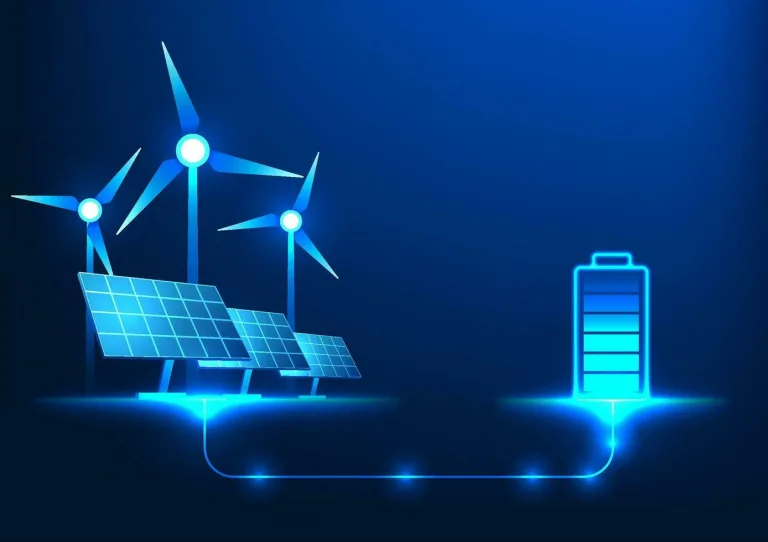
リチウムイオン電池が太陽エネルギー貯蔵に最適な理由
リチウムイオン電池は、急速に住宅用および商業用太陽光発電システムのエネルギー貯蔵の標準となりました。. その主な理由は次のとおりです リチウムイオン電池 好ましい選択です:
- 高エネルギー密度
リチウムイオン電池は次のような特徴があることで知られています。 高いエネルギー密度, つまり、より小さなエネルギーでより多くのエネルギーを蓄えることができる, 軽量パッケージ. これは太陽エネルギー貯蔵システムにとって極めて重要な利点です, 利用可能なスペースを最大限に活用することが考慮される場合が多い.
- コンパクトで効率的: 住宅用太陽光発電システム用, スペースが限られている可能性がある, それでリチウムイオン電池’ コンパクトな形状で大量のエネルギーを貯蔵できることが大きな利点です.
- さらなるパワー: あ 設置面積が小さい 住宅所有者や企業は大規模な蓄電システムを必要とせずに大量のエネルギーを蓄えることができます。, 太陽光発電をより幅広い用途で実現可能にする.
- 長寿命
リチウムイオン電池は通常、寿命が長くなります。 サイクル寿命 従来の鉛蓄電池よりも. 鉛蓄電池の平均寿命はおよそ 3-5 年, リチウムイオン電池は、次の期間のどこでも持続可能です。 10 に 15 年.
- 交換品の削減: この長寿命は、リチウムイオン電池が 交換が少なくて済む, 長期的なメンテナンスと所有コストの削減につながります.
- より高い投資収益率 (ROI): 太陽エネルギー貯蔵に投資する住宅所有者および企業向け, バッテリーが長持ちすることで、 より大きな節約 時間の経過とともに ROI が向上.
- より速い充電と放電
リチウムイオン電池の充放電 はるかに速い 従来のエネルギー貯蔵オプションよりも, のような 鉛蓄電池. これは太陽光発電システムで特に役立ちます, 日中にエネルギーを蓄え、夜間に効率的に放電するために急速充電が必要な場合.
- エネルギーを迅速に利用可能: より速い放電速度で, 住宅所有者はできる 蓄積されたエネルギーにアクセスする もっと早く, これは、エネルギー需要が突然増加した場合に特に重要です.
- 太陽光発電の効率的な利用: リチウムイオン電池により、太陽光発電システムが可能になります。 エネルギーを効率的に捕らえて蓄える, 日中に生成された余剰エネルギーが日没後に利用できるようにする.
- 効率性と低メンテナンス
リチウムイオン電池は高い 効率的, つまり、保管および変換プロセス中のエネルギー損失が少なくなります。. 太陽エネルギーシステム用, これは次のようになります より高い効率 太陽光発電を利用可能な電力に変換する場合.
- 最小限のメンテナンス: 鉛蓄電池とは異なります, 必要なもの 定期メンテナンス 水の補充など, リチウムイオン電池は、 メンテナンスフリー, 住宅所有者と企業に安心を提供する.
- 通気禁止: リチウムイオン電池は通気の必要がないため、, ガスや漏れに伴う安全上の懸念が少なくなります, 従来のバッテリーによくあること.
- 出力と蓄電容量の増加
最新のリチウムイオン電池は、 積み重ねられた またはペアで ストレージ容量を増やす, スケーラブルなエネルギー貯蔵システムを可能にする. 小規模な住宅用システムであっても、大規模な商業用太陽光発電設備であっても, リチウムイオン電池は、特定のエネルギー貯蔵ニーズに合わせてカスタマイズ可能.
- スケーラビリティ: 時間の経過とともに追加のバッテリーモジュールを追加できるため、電力需要の増加に応じてエネルギー貯蔵容量を簡単にスケールアップできます。.
- ピークシェービング: リチウムイオン電池は次のような用途に使用できます。 余分なエネルギーを蓄える 需要が低い時期にリリースし、ピーク時期にリリースする, 送電網から電力を購入する必要性を減らし、ユーザーがエネルギーコストの上昇を回避できるようにする.
太陽系におけるリチウムイオン電池のその他の利点
- 環境上の利点
リチウムイオン電池には次のような材料の抽出が必要ですが、 リチウム, コバルト, そして ニッケル, 化石燃料ベースの電源よりもはるかに環境に優しいです. さらに, リサイクルプログラム バッテリー廃棄による環境への影響を軽減するために開発されています.
- クリーンエネルギー貯蔵: 太陽光発電システムでリチウムイオン電池を使用すると、電力網への依存を軽減できます。, 化石燃料から生成されることが多い, 太陽エネルギーをさらにクリーンな選択肢に.
- リサイクルと持続可能性: 多くのメーカーが、 リサイクル可能性 リチウムイオン電池の, これは、バッテリーの廃棄に伴う環境への影響を軽減するのに役立ちます。.
- 二酸化炭素排出量の削減
太陽エネルギーシステムのリチウムイオン電池は大幅に役立ちます 二酸化炭素排出量を削減する. 後で使用するために太陽エネルギーを貯蔵することにより, 家庭や企業は、 オフグリッドで運用する またはグリッド電力への依存を減らす, 通常、化石燃料の燃焼によって生成されます.
- 送電網への依存度の低下: 太陽光発電と蓄電エネルギーを利用して, 削減できます 炭素集約型発電, 環境を助ける.
- スマートグリッドの互換性
リチウムイオン電池は以下の用途に最適です。 スマートグリッド, デジタル監視システムと簡単に統合できるため. これらのシステムにより、 リアルタイム監視 バッテリー性能の, エネルギー使用量, とストレージ容量, 太陽エネルギーの管理において非常に効率的になります。.
- シームレスな統合: スマートグリッド技術を活用, リチウムイオン電池は次のような用途に使用できます。 エネルギー貯蔵を最適化する 太陽光発電システムの全体的な効率を向上させます。.
- デマンドレスポンス: リチウムイオン電池は特定の時間に放電するようにプログラム可能, ピーク時の需要を削減し、送電網の安定化に貢献します.
太陽系におけるリチウムイオン電池の課題と考慮事項
その間 リチウムイオン電池 多くの利点を提供する, このエネルギー貯蔵ソリューションに投資する前に、いくつかの考慮事項に留意してください。.
- 初期費用が高い
リチウムイオン電池は時間の経過とともに手頃な価格になりましたが、, 一般に、従来の鉛蓄電池よりも依然として高価です. バッテリーの初期費用, 設置費用と合わせて, 一部の住宅所有者やビジネスを思いとどまらせる可能性がある.
- 長期的な節約: 初期費用が高くても, リチウムイオン電池は多くの場合、 長期的な貯蓄 彼らのせいで 長寿命 そして メンテナンスの必要性が低い.
- 限られたリサイクルインフラ
リサイクルプログラムは改善されつつありますが、, のインフラストラクチャ リチウムイオン電池のリサイクル 大規模なものはまだ開発中です. 環境への影響を最小限に抑えるには、これらのバッテリーを適切にリサイクルすることが不可欠です.
- 材料回収: などの貴重な材料を回収するためのより効率的なプロセスの開発 リチウム, ニッケル, そして コバルト 使用済みバッテリーからの回収は、リチウムイオンバッテリー技術の持続可能性にとって極めて重要です.
結論: 太陽エネルギーシステムにおけるリチウムイオン電池の将来
リチウムイオン電池は、 ゲームチェンジャー 太陽エネルギー貯蔵用. 彼らの 高効率, 長寿命, そして コンパクトなデザイン それらを 好ましい選択 住宅用と商業用の両方の太陽光発電システムに対応. ユーザーが日中に発生した余剰電力を蓄えて、オフピーク時に使用できるようにすることで、, リチウムイオン電池は太陽エネルギーをさらに活用します 信頼性のある, 手頃な価格, そして アクセス可能な.
として 技術の進歩 続く, 未来は明るいです リチウムイオン電池 太陽エネルギーシステムにおける. と より速い充電時間, リサイクルの改善 プロセス, そして コストの削減, これらのバッテリーは、今後ますます重要な役割を果たすことになるでしょう。 再生可能エネルギーへの移行に向けた世界的な取り組み. 探している人のために エネルギーの独立性を最大限に高める そして 二酸化炭素排出量を削減する, 太陽光発電システムのリチウムイオン電池はクリーンな環境への一歩です, より持続可能な未来.
